AI political ads surge to $137 million in 2026 midterms, Republicans lead spending
Campaigns and PACs spent over $137 million on AI-generated or AI-enhanced ads in the 2026 midterm cycle, with Republicans accounting for about 88 percent of the total.
KEY POINTS
- Campaigns and PACs spent over $137 million on AI-generated or AI-enhanced midterm ads
- Republican candidates and groups account for 88 percent, or about $120 million, of AI ad spending
- AI ad spending was less than $50,000 during the entire 2024 election cycle
- Texas Senate candidate James Talarico is featured in both Republican attack ads and his own AI-disclaimed response spot
- UC Berkeley expert Hany Farid says most people would not immediately know an AI-generated clip is fake
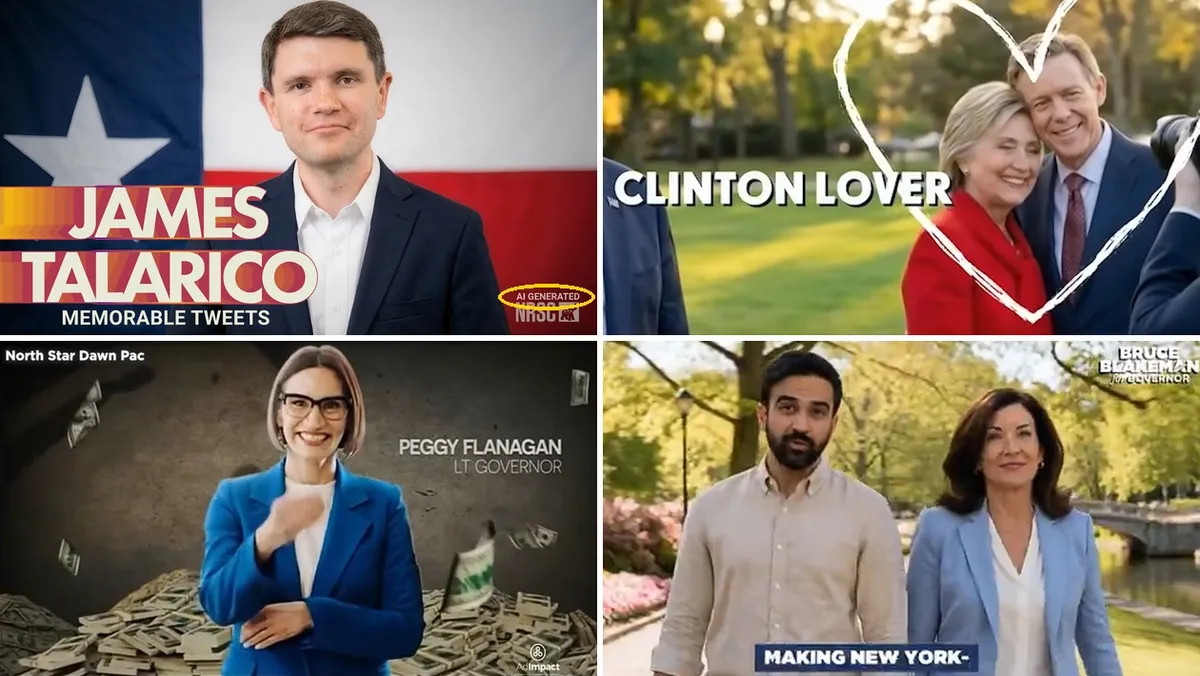
Campaigns and political action committees have spent more than $137 million on AI-generated or AI-enhanced advertisements during the 2026 midterm election cycle. The figure marks a sharp increase from less than $50,000 in AI ad spending recorded for the entire 2024 cycle, according to the Wesleyan Media Project.
Republican candidates and groups are responsible for the overwhelming majority of the spending. Their ads account for 88 percent of the total, or roughly $120 million.
“I don’t have to use AI, because the truth about Ken Paxton is bad enough.”
Texas Senate candidate James Talarico has become a central example of the trend. A recent campaign ad shows him walking through a warehouse filled with television sets that broadcast Republican attack ads portraying him as a Bible-defacing radical who supports sex change surgery for minors.
Talarico directly rejects the AI-generated attacks in his own spot. He tells viewers he is not a member of the Chinese Communist Party and does not support sex change surgeries for children, adding that he does not need AI because the truth about Republican nominee Ken Paxton is already damaging enough.
Democrats are largely avoiding AI-generated ads and are trying to use the issue against Republicans. Strategists say voter concerns about affordability, corporate power, and political authenticity matter more than any advantage the GOP might gain from synthetic video.
Deepfake expert Hany Farid of UC Berkeley warned that most viewers would not immediately recognize fabricated clips. He noted that AI disclosure tags are often small and faint, leaving many voters unable to distinguish real content from fakes.
The Wesleyan Media Project has cataloged many AI ads that are harmless or cosmetic, such as an animated photo of an Oklahoma candidate. However, experts fear the volume of deepfakes will grow unless action is taken before November 3.
3 more sources below
COMMENTS (0)
No comments yet. Be the first.
RELATED STORIES
Record early voting turnout reported across Texas counties
Texas voters cast record numbers of early ballots in the midterm election, with Dallas County alone reporting more than 76,000 votes on the first day.

UK Chancellor Healey to Delay Defence Spending Target Until 2027 Review
John Healey is expected to postpone a clear plan to raise defence spending to three per cent of GDP until next year's spending review.
Trump posts record-length attack on Bill Maher after White House dinner
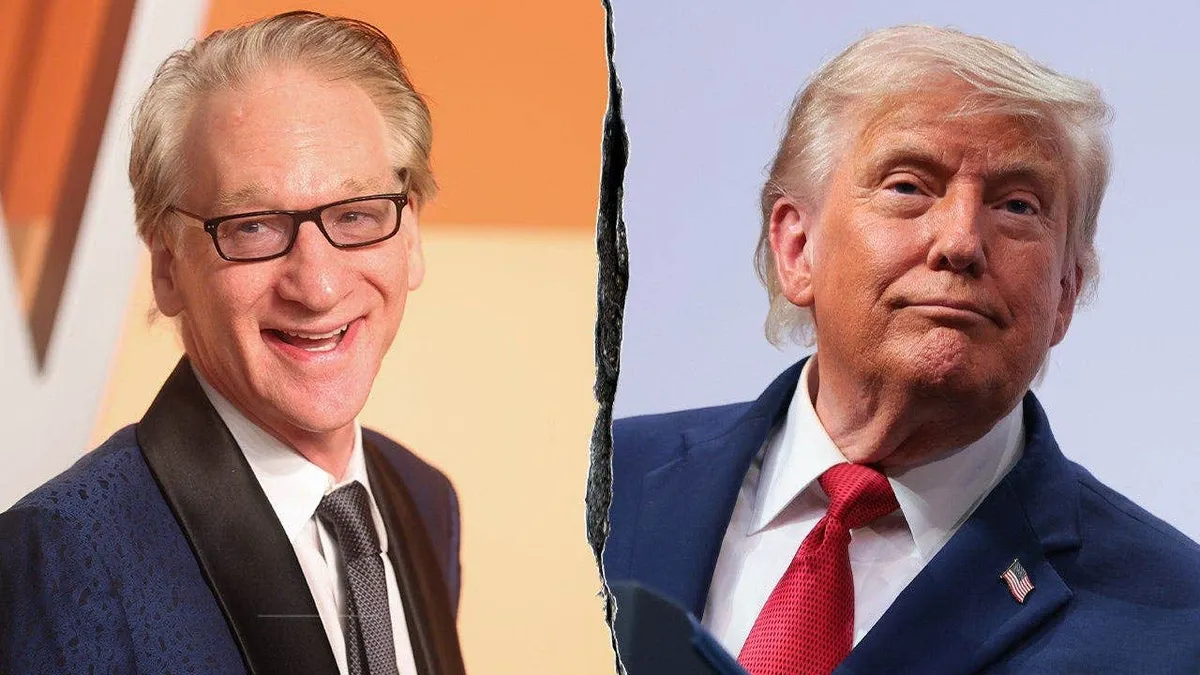
President Donald Trump published his longest Truth Social post ever, a 1,323-word attack on comedian Bill Maher following their October 15 dinner.
- Democratic report alleges Trump sexually assaulted five women linked to Epstein case
- Abuja court rejects Nollywood actor's N10 billion privacy lawsuit against minister's aide and INEC
- Trump allies sow election doubt one week before midterms
- Nigeria launches $100m gas pipeline project in South East
- Mayors Mark 103rd Republic Day Anniversary in Separate Messages
This page was compiled with AI assistance from the outlets named above and passed an automated language check before publication. Montegre has no reporters of its own; the byline names the outlets the story was compiled from. Method and editorial standards