Moroccan opposition criticizes 2027 Finance Bill as continuity without economic vision
Opposition lawmakers say the draft budget preserves existing policies and delays key reforms until 2031, while the majority defends its social priorities.
KEY POINTS
- Opposition says the 2027 Finance Bill continues existing policies rather than changing course
- PJD leader Idriss El Azami El Idrissi calls the draft an accounting exercise lacking clear objectives
- Tax adjustments worth around MAD 500 would be eroded by rising prices, according to the opposition
- Opposition warns six planned regional companies could create complexity and reinforce monopolies
- Majority groups defend social priorities and cite nearly 1.4 million social program beneficiaries
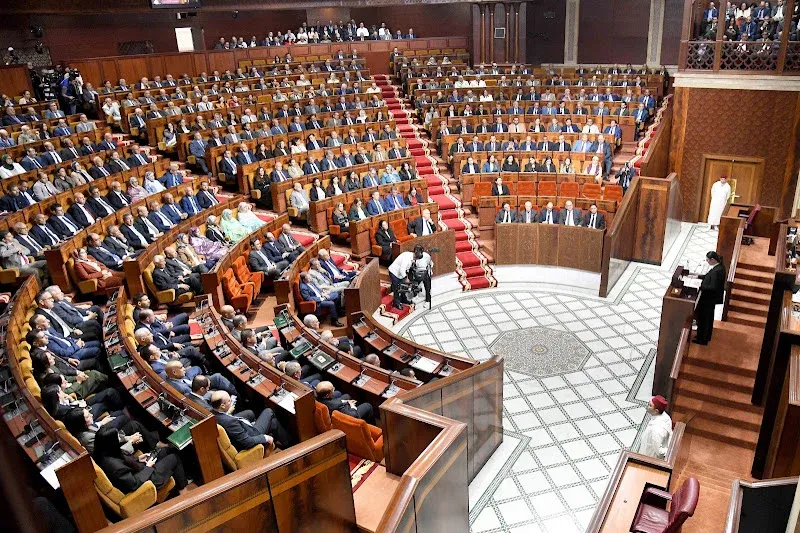
Morocco’s parliamentary opposition criticized the government’s 2027 Finance Bill during a plenary session of the House of Representatives on Friday, arguing that it maintains existing policies rather than introducing meaningful economic changes.
Opposition lawmakers questioned the government’s economic and development strategy, citing weaknesses in public investment, rising debt-servicing costs and a lack of clear objectives for national economic policy.
“"continuity rather than a change of course"”
Idriss El Azami El Idrissi, head of the Justice and Development Party’s parliamentary group, said the draft reflected “continuity rather than a change of course,” describing it as largely an accounting exercise that allocated resources to ministries and programs without sufficiently emphasizing objectives, results or effectiveness.
El Azami argued that most measures extended existing initiatives, including sectoral programs, the expansion of social protection, new regional development programs and infrastructure projects. He said the bill lacked a coherent framework linking economic policy to development priorities.
The PJD lawmaker questioned the government’s commitment to restoring household purchasing power, saying proposed measures did not include substantial action to curb rising prices. He estimated that limited income gains from personal income tax adjustments, around MAD 500, would quickly be eroded by higher market prices.
Opposition lawmakers also expressed concern over plans to establish six regional companies or professional aggregation platforms, warning they could create new complexity and reinforce monopolistic practices. El Azami said the government had not provided sufficient details about ownership, management structures or the role of cooperatives and small-scale farmers.
Majority groups defended the budget, highlighting social protection, purchasing power, youth employment and the reduction of territorial disparities. One majority group noted that nearly 1.4 million people benefit from social programs and welcomed a special account of one billion dirhams to support the official status of the Amazigh language.
2 more sources below
COMMENTS (0)
No comments yet. Be the first.
RELATED STORIES

Spain Rescues More Than 1,500 Migrants in Record Atlantic Route Day
Rescue teams brought over 1,500 people to the Canary Islands on Saturday, the highest daily total in 32 years on the Atlantic migration route.

Coljuegos Chief Ousted Over Postgraduate Degree Controversy
President Abelardo de la Espriella removed Jaime Vives after an investigation revealed he earned a specialization in two months.

Milei's Week: Toyota Meeting, Tesla Launch, AMIA Honor
Argentina's president balances business meetings, a polo match, and Jewish community events during a busy week.
- DR Congo backs Romania's Ciolos for Francophonie chief
- Judo champion Teddy Riner enters French presidential race facing ballot hurdles
- Cape Verde votes for president amid reputation for democratic stability
- Sánchez promises childcare benefit and higher taxes on empty homes in election campaign
- Romanian Prime Minister Says Black Sea Maritime Security Threatened After Drone Strikes on Three Ships Near Sulina
This page was compiled with AI assistance from the outlets named above and passed an automated language check before publication. Montegre has no reporters of its own; the byline names the outlets the story was compiled from. Method and editorial standards