US sanctions ICC itself in major escalation hours after ex-judge wins Nobel Peace Prize
The Trump administration targets the International Criminal Court as an institution, banning transactions and freezing assets, drawing condemnation from allies and the UN.
KEY POINTS
- US sanctions target the ICC as an institution, not just individuals, for the first time
- Measures include asset freeze and transaction ban with 180-day wind-down period
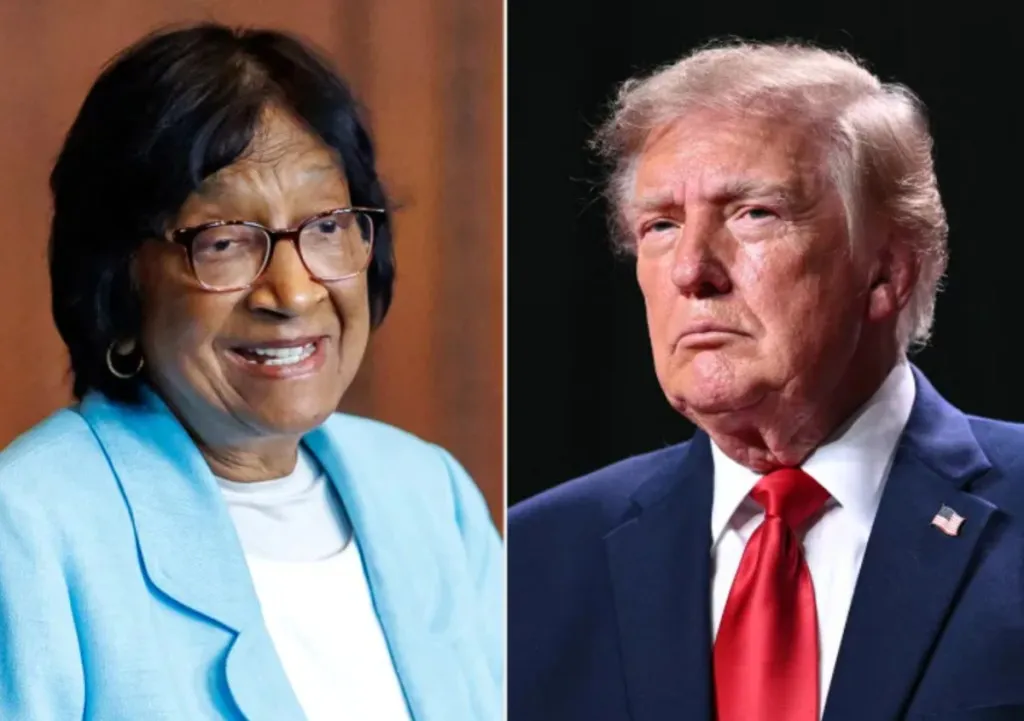
- Announcement came hours after former ICC judge Navi Pillay won Nobel Peace Prize
- Allies including Germany, France, UK, Japan, Canada, Netherlands condemn the move
- ICC vows to continue investigations and prosecutions despite sanctions
The United States imposed sweeping sanctions on the International Criminal Court (ICC) on Friday, targeting the institution itself rather than just its officials. Secretary of State Marco Rubio announced the measures hours after the Nobel Peace Prize was awarded to Navi Pillay, a former ICC judge. The sanctions block all ICC assets in US jurisdictions and prohibit transactions with the court, giving companies and individuals a 180-day wind-down period. Rubio called the ICC a "rogue court" and vowed to cripple its ability to operate against Americans.
The move escalates a long-standing US campaign against the Hague-based tribunal, which has 125 member states. Washington has opposed ICC investigations into US personnel in Afghanistan and arrest warrants for Israeli leaders including Prime Minister Benjamin Netanyahu. The ICC deputy prosecutor, Nazhat Shameem Khan, said the sanctions aim to undermine the rule of law but pledged the court's work would continue.
“Either the ICC will end its threats, or we will end the ICC.”
Key US allies including Germany, France, Canada, Japan, the Netherlands, and the United Kingdom issued a joint statement expressing deep disagreement and reaffirming unwavering support for the court. UN Secretary-General António Guterres said he was "deeply alarmed" by the potential consequences for international criminal justice. The Treasury Department will issue general licenses to protect certain US interests, including cloud services and the ICC pension system.
The ICC, founded in 2002 to prosecute war crimes, crimes against humanity, and genocide, counts all EU and NATO members except the US and Türkiye as members. Previous US sanctions had targeted 17 individuals linked to the court. Rights groups have challenged those measures in US federal court, arguing they infringe constitutional freedoms. The latest sanctions represent the most direct assault on the institution's viability to date.
19 more sources below
COMMENTS (0)
No comments yet. Be the first.
RELATED STORIES
US Stocks Plunge Into Correction as Tech Selloff Deepens
The S&P 500 fell 3.70% on Friday, extending its losing streak to seven sessions and leaving Wall Street year-end targets behind.
Judge Considers Lifting Order Blocking Kennedy Center Closure
A federal judge heard arguments on whether the Kennedy Center can close its main building for two years of renovations.
Argentina awaits sea tribunal ruling on Sea Lion oil project
Argentina seeks provisional measures to halt UK-backed oil activities near the Falkland Islands while arbitration proceeds.
- Spain's Migration Crisis Strains Ceuta and Sánchez Government
- Zardari and Shehbaz insist referendum on new provinces needs parliament approval
- Modi marks IIT Kharagpur platinum jubilee, cites 12 years of progress
- University of Ghana reviews UGEL hostel fee dispute after Rent Control inspection
- German Gen Z protests planned for Friday across dozens of cities
This page was compiled with AI assistance from the outlets named above and passed an automated language check before publication. Montegre has no reporters of its own; the byline names the outlets the story was compiled from. Method and editorial standards