German Chancellor Threatens to Block EU Budget Over Ukraine Funding
Friedrich Merz demands collective commitment to an additional 45 billion euros for Ukraine before agreeing to the 2028-2034 EU budget.
KEY POINTS
- Friedrich Merz threatens to block the EU's 2028-2034 budget.
- Germany demands a collective commitment for 45 billion euros in additional Ukraine funding.
- Ukraine faces a 70 billion euro funding gap for the coming year.
- Merz sent a letter to European Council President Antonio Costa.
- Germany is the largest net contributor to the EU budget and Ukraine's largest bilateral donor.
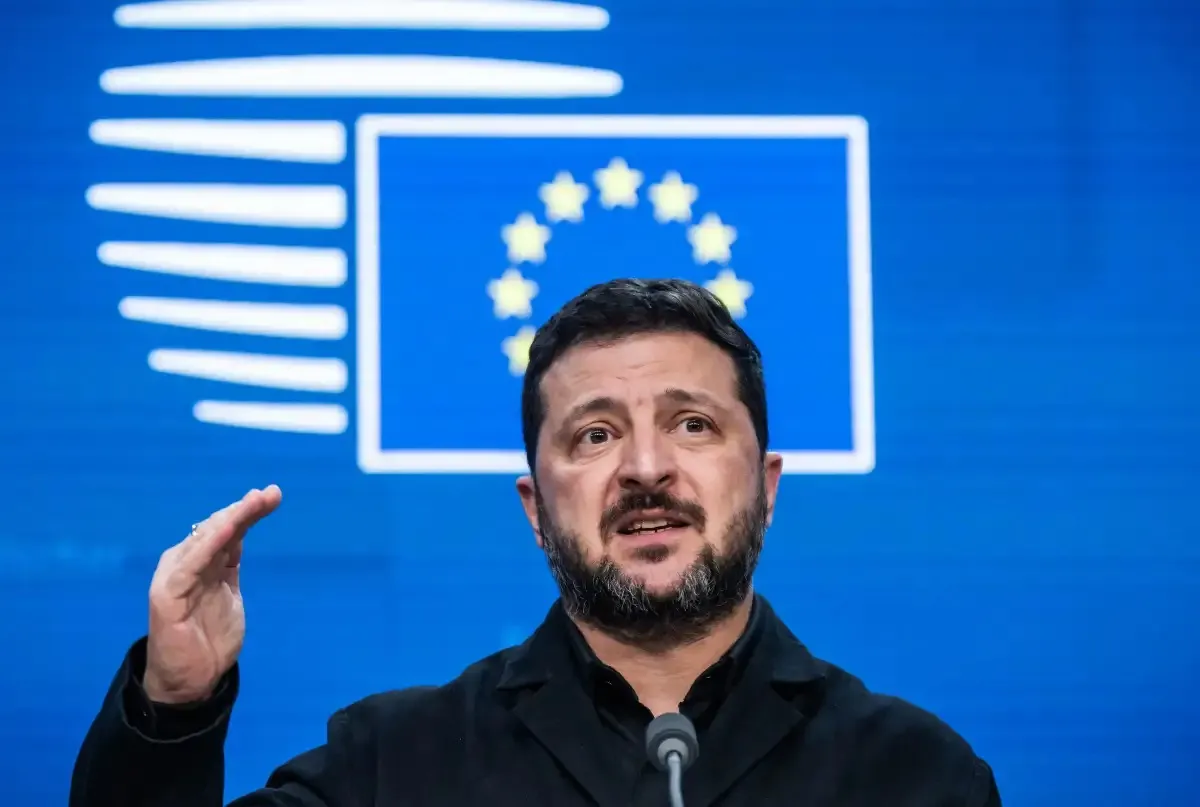
German Chancellor Friedrich Merz has threatened to block the European Union's next seven-year budget unless all member states commit to providing an additional 45 billion euros in funding for Ukraine. The funds are intended to cover part of Kyiv's increased economic needs in 2027.
The intervention further complicates negotiations for the EU budget covering the period from 2028 to 2034. Ukraine faces an additional funding gap of approximately 70 billion euros for the coming year, while EU governments disagree on the distribution of financial burdens and the issuance of new joint debt.
“A collective commitment that all of us, without exception, will contribute fairly to covering this gap is an essential prerequisite for resolving the issue.”
In a letter to European Council President Antonio Costa, Merz called on European leaders to collectively bear the cost of supporting Ukraine. He linked the long-term budget agreement directly to the securing of new financial resources.
Merz stated that a collective commitment from all member states to fairly cover this gap is an essential prerequisite for resolving the issue and discussing further matters, particularly those with fiscal implications.
The German side also seeks to ensure that negotiations for the next seven-year budget guarantee a stable and multi-year funding outlook for Ukraine from 2028 onwards, including the coverage of interest obligations on debts already created.
The intervention carries particular weight because Germany is the largest net contributor to the EU budget and the largest bilateral donor to Ukraine, strengthening Berlin's negotiating position.
The need for additional economic assistance is linked to the ongoing Russian invasion and extensive attacks on the country's energy and production infrastructure, which have increased the burden on Ukraine's finances.
2 more sources below
COMMENTS (0)
No comments yet. Be the first.
RELATED STORIES
Türkiye Unveils Green Deal Action Plan for 2026-2030
Presidential decree updates Turkey's green transition roadmap through 2030.
Senate to vote on energy permitting bill after midterm election
Bipartisan legislation would speed project approvals and require data centers to pay for their energy use.
Democrats Question Schumer's Senate Leadership Bid After Midterm Win
Some Senate Democrats are withholding support for Chuck Schumer as majority leader and demand a clear plan for the next Congress.
- Trump seeks China's help to end Iran war ahead of Xi meeting
- Civil groups demand national law to cap public pay above ceiling
- CHP Pendik district chairman seriously injured in Istanbul traffic crash
- Vocational Graduates to Receive 50 Percent Pocket Money Increase, Minister Says
- Vox leader Abascal appears on Spanish TV show La Revuelta amid audience controversy
This page was compiled with AI assistance from the outlets named above and passed an automated language check before publication. Montegre has no reporters of its own; the byline names the outlets the story was compiled from. Method and editorial standards