AfD shifts strategy toward EU reform instead of euro exit
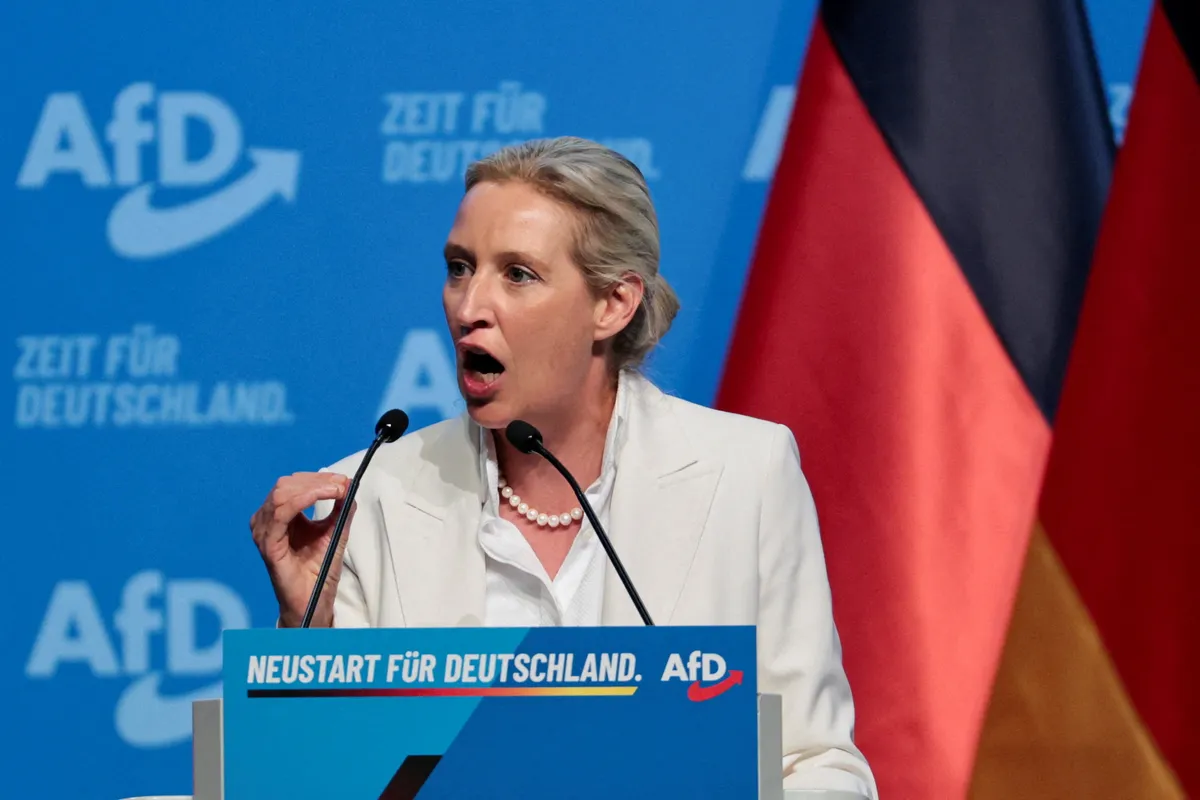
Germany’s far-right AfD is moving away from leaving the EU and euro and toward reforming the bloc from within as it eyes national government.
KEY POINTS
- AfD is shifting from EU and euro exit to reforming the bloc from within
- The party was founded in 2013 over anger at euro-zone bailouts
- AfD is now close to entering national government before the end of the decade
- Alice Weidel presented a “New Deal for Europe” strategy paper in Strasbourg last month
- Hardline Europe positions could complicate cooperation with the CDU
Germany’s far-right Alternative for Germany is recalibrating its vision for Europe as it and its right-wing allies abroad gain influence. The party, founded more than a decade ago in opposition to the EU’s handling of the euro crisis, now appears closer than ever to entering national government before the end of the decade.
The prospect is prompting debate over how to balance an anti-establishment identity with the need to appear as a credible partner to potential allies at home and abroad. AfD rejects allegations of extremism, but critics and Germany’s domestic intelligence agency say some positions come dangerously close to supremacism and xenophobia linked to the country’s recent past.
“Never since the end of the Second World War have the prospects for reforming the EU in line with our vision been better.”
Founded in 2013 amid anger over bailouts for heavily indebted euro-zone members, AfD began as a movement opposed to the common currency. Its criticism later expanded to the European Union itself, while opposition to immigration became one of its main themes.
Many members now argue that increasing acceptance of radical right-wing views and the growing sway of like-minded parties elsewhere in Europe make reforming the bloc from within more productive than abandoning it altogether. Younger members warn that hardline positions on Europe could complicate cooperation with Chancellor Friedrich Merz’s conservative Christian Democrats, who currently rule out any alliance.
Last month, AfD co-leader Alice Weidel presented a strategy paper at the European Parliament in Strasbourg alongside allies from the Europe of Sovereign Nations group. The document proposes renegotiating European treaties and transforming the union into a more flexible structure in which member states benefit from greater flexibility.
2 more sources below
TOPICS
COMMENTS (0)
No comments yet. Be the first.
RELATED STORIES

APGA Candidates Fear Soludo’s Tinubu Alliance Will Cost Them Seats in 2027 Elections
APGA candidates in Anambra and Osun states worry Governor Soludo’s coordination of Tinubu’s campaign could trigger protest votes and benefit the Nigeria Democratic Congress.

Senate schedules security PEC vote for Tuesday amid criminal age debate
Brazil's Senate will vote Tuesday on a constitutional amendment expanding federal security powers and toughening penalties for criminal groups.
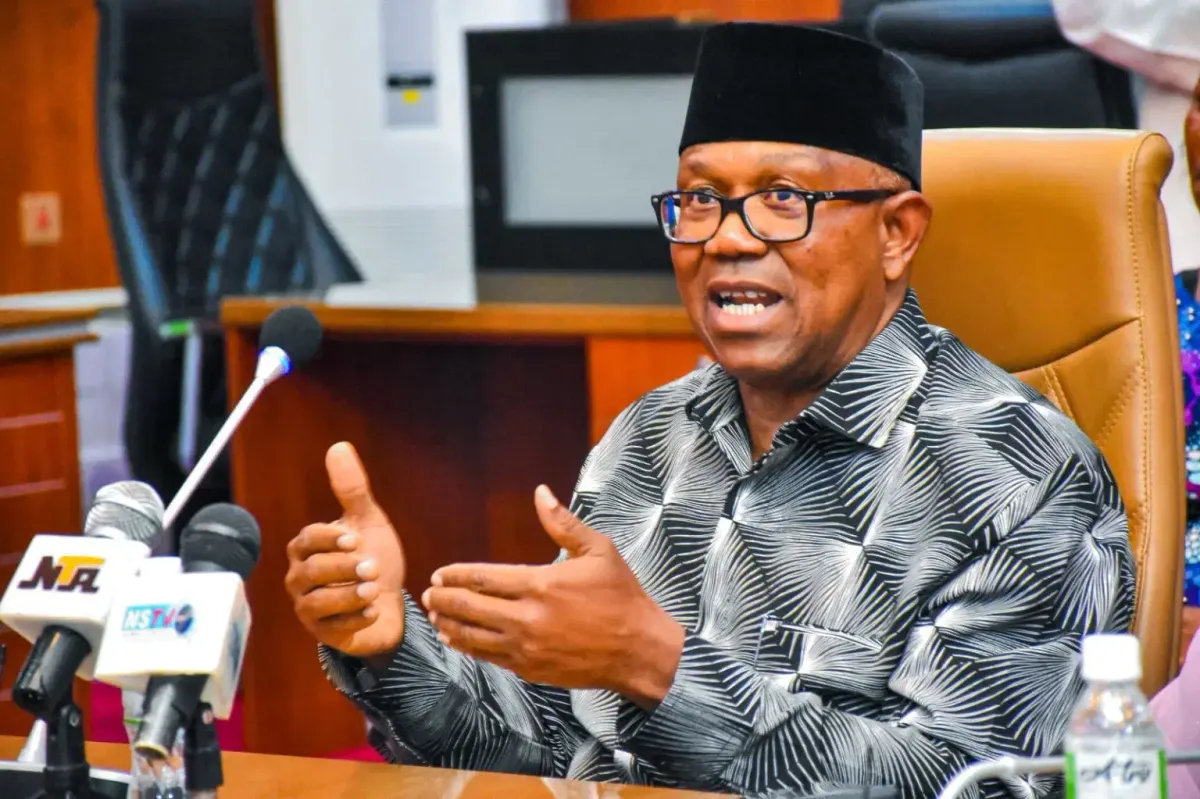
NDC backs Peter Obi for 2027 Nigerian presidency
NDC leaders rally support for Peter Obi’s 2027 presidential bid while APC-PCC pledges to re-elect Bola Tinubu.
- Thousands march in Lisbon demanding housing rights
- Turkey arrests 41 suspects in FETO operation across 32 provinces
- Arab parties won record 19 seats in Israeli election, coalition talks remain deadlocked
- Netanyahu reportedly urges Trump to approve new Iran strike after US election
- Gold Falls Below 6,300 Turkish Lira per Gram as Fed Holds Rates
This page was compiled with AI assistance from the outlets named above and passed an automated language check before publication. Montegre has no reporters of its own; the byline names the outlets the story was compiled from. Method and editorial standards