UN climate talks begin in Antalya as disasters and energy shocks dominate agenda
COP31 opens in Turkey with leaders set to discuss fossil fuel transition and climate finance.

KEY POINTS
- COP31 climate negotiations begin in Antalya, Turkey
- UN revised its 1.5 degrees Celsius temperature goal as the world exceeds the threshold
- Talks focus on fossil fuel transition and climate finance for poorer countries
- Turkey proposes shifting more energy use to solar and wind electricity
- Energy shocks from Ukraine invasion and Iran conflict drove fossil fuel prices higher
United Nations climate negotiations have opened in Antalya, Turkey, as the 31st Conference of Parties, known as COP31, begins with speeches from world leaders. The talks come amid deadly summer heat waves in Europe and devastating flooding in Nepal, which illustrate the global fallout from rising temperatures.
Scientists warn that global warming is accelerating, and the United Nations recently revised its long-standing goal of limiting temperature rise to 1.5 degrees Celsius because the world is exceeding that threshold. The conference will examine how countries can follow through on previous climate pledges.
“It’s really the moment that we place a magnifying lens on what’s happening in the world on climate change, both good and bad.”
A central issue this year is implementing promises to move away from fossil fuels. Turkey, as co-host, is promoting a separate plan to shift more global energy use, including transportation, to electricity generated from solar and wind power.
Negotiators will also discuss how to deliver promised funds to poorer countries so they can switch to renewable energy, adapt to a warmer world, and recover from climate-induced damage. Russia's 2022 invasion of Ukraine caused a European energy shock, while this year's bombing of Iran by the United States and Israel closed the Strait of Hormuz and sent fossil fuel prices soaring.
The world continues to rely on coal, oil, and gas even as renewable energy becomes cheaper and cleaner. Both fossil fuels and renewables are being used to meet demand from power-hungry artificial intelligence and growing economic development, which is not helping to curb climate change.
David Waskow, international climate chief at the World Resources Institute, said the talks place a magnifying lens on what is happening in the world regarding climate change, both good and bad.
3 more sources below
COMMENTS (0)
No comments yet. Be the first.
RELATED STORIES

Global markets plunge as Trump blames Democrats for trillion-dollar selloff
World shares fell sharply after US midterm elections, with Asian markets and chip stocks leading the decline.
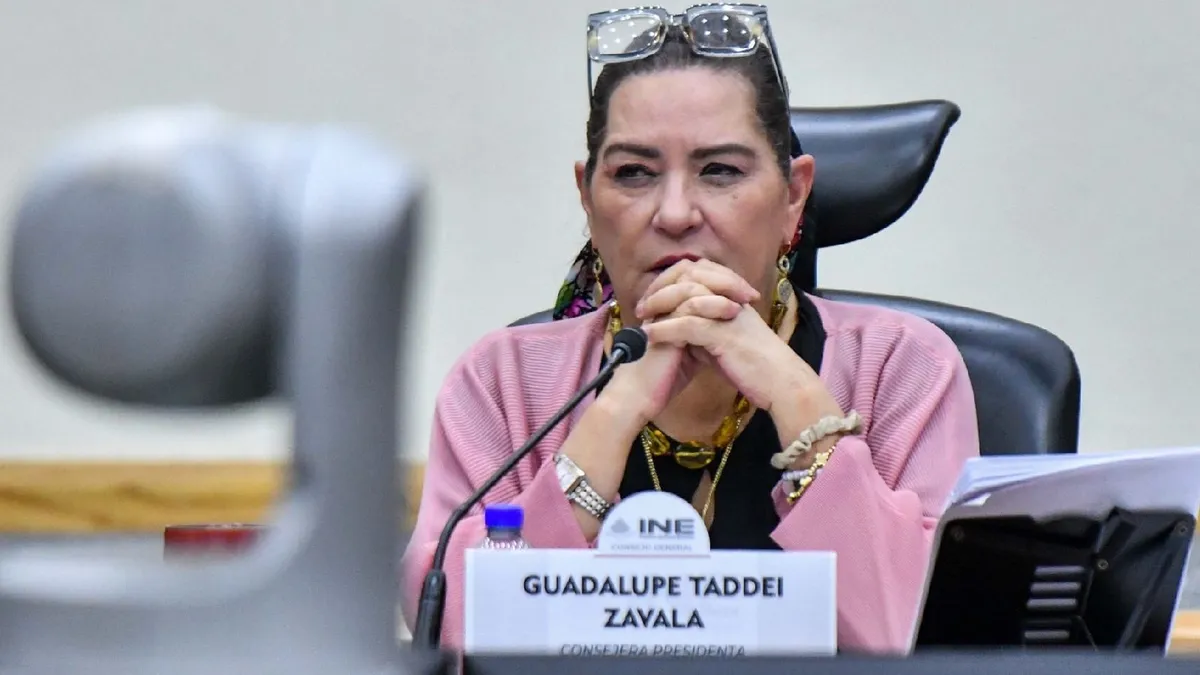
Mexican lawmakers clash over corruption accusations against former INE chief Taddei
Opposition and ruling-party legislators traded accusations over alleged corruption involving former electoral institute president Guadalupe Taddei.

Senate committees advance permanent disability law ahead of emergency expiry
The Senate approved a report on the disability bill, which preserves emergency benefits set to expire at year-end.
- North Korea denies FBI Binance hack claim and fires cruise missiles
- Turkish Parliament Speaker Kurtulmus Meets Croatian Counterpoint, Calls for Diplomatic Solutions
- Peru's Fujimori marks 100 days amid security and El Niño plans
- Federal panel poised to approve Trump's 250-foot memorial arch amid legal challenges
- Nithya Raman Elected Mayor of Los Angeles
This page was compiled with AI assistance from the outlets named above and passed an automated language check before publication. Montegre has no reporters of its own; the byline names the outlets the story was compiled from. Method and editorial standards