Bomb threats and cyberattacks disrupt European schools and flights
False bomb alerts and digital attacks hit schools, airlines and refrigeration systems across Europe.
KEY POINTS
- 271 Italian schools received bomb-threat emails
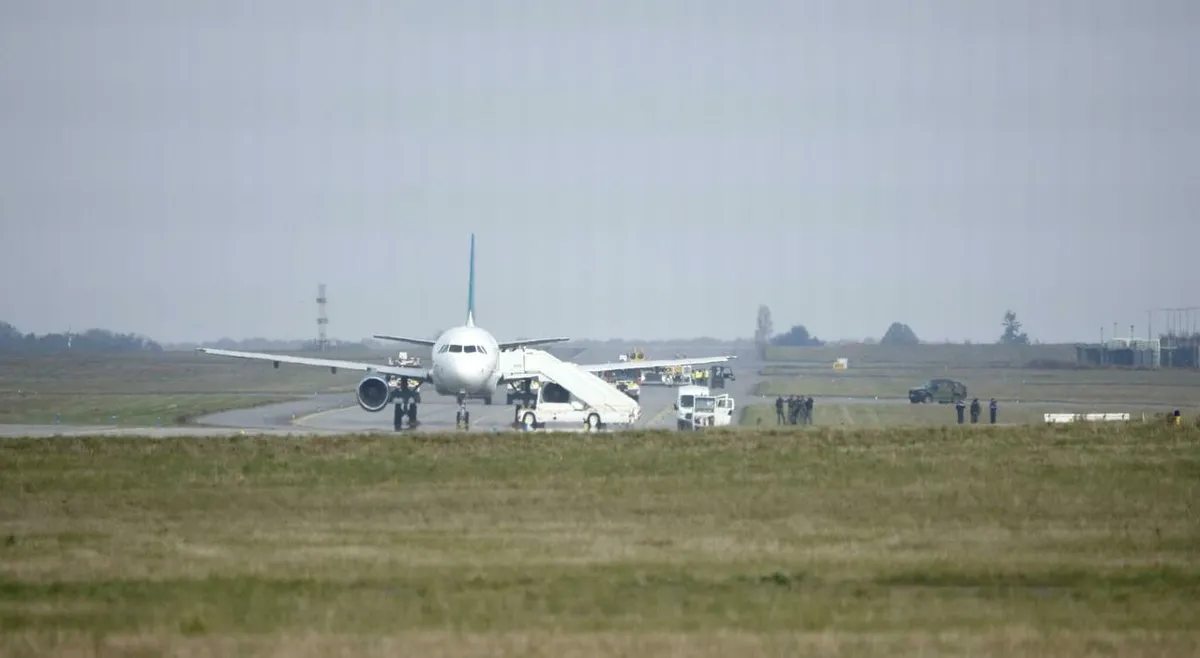
- A London–Sofia flight diverted to Budapest after a bomb alert
- Cyberattacks altered refrigeration systems in European supermarkets
- False nuclear and chemical raid alerts reached phones in Russia and Ukraine
- Experts disagree on whether a single coordinator is behind the incidents
Distinct emergencies hit schools, air traffic and food supply chains across Europe over seventy hours. Italian authorities received bomb-threat emails targeting 271 schools. Eight of the schools are located in Rome, according to RaiNews.
At the Gianni Rodari primary school in Rome's Tuscolano district, pupils were evacuated to Villa Lais while bomb disposal experts checked the buildings. Checks also took place in Liguria, Veneto, Lombardy and Friuli-Venezia Giulia. The emails bore the signature of a self-proclaimed Islamic Revolutionary Guard Corps, a circumstance that does not prove Iranian involvement.
A bomb threat also targeted Ryanair flight FR4438 from Riga to Rome Fiumicino, announcing an explosion. The flight landed regularly on November 2. A local outlet reported two further alerts on flights bound for Rome on November 3, without independent confirmation.
Wizz Air confirmed that a London Luton–Sofia flight diverted to Budapest under escort by a Hungarian Gripen jet; checks found no explosives. Reuters reported that on November 3 two flights to Warsaw from London and Copenhagen underwent checks, temporarily blocking Modlin airport. In Spain, protocols were activated at Murcia after an alert on a Ryanair flight.
Separately, false alerts about nuclear and chemical raids reached smartphones in Russia and Ukraine via emergency apps. Hours later, Kyiv and Moscow reported cyberattacks on their digital alert systems. The Ukrainian air force denied any radiation danger through a Telegram message, admitting an intrusion into its security app. Russia's Emergencies Ministry issued a similar notice.
Experts are divided on whether the incidents share a single coordinator. Zenita Group cyber director Pierguido Iezzi cited an anomalous sequence of events that could suggest hybrid warfare. William Nonnis, a technology analyst at the Italian presidency of the Council of Ministers, warned there is no proof of a single command, although the succession of events suggests possible coordination.
2 more sources below
COMMENTS (0)
No comments yet. Be the first.
RELATED STORIES
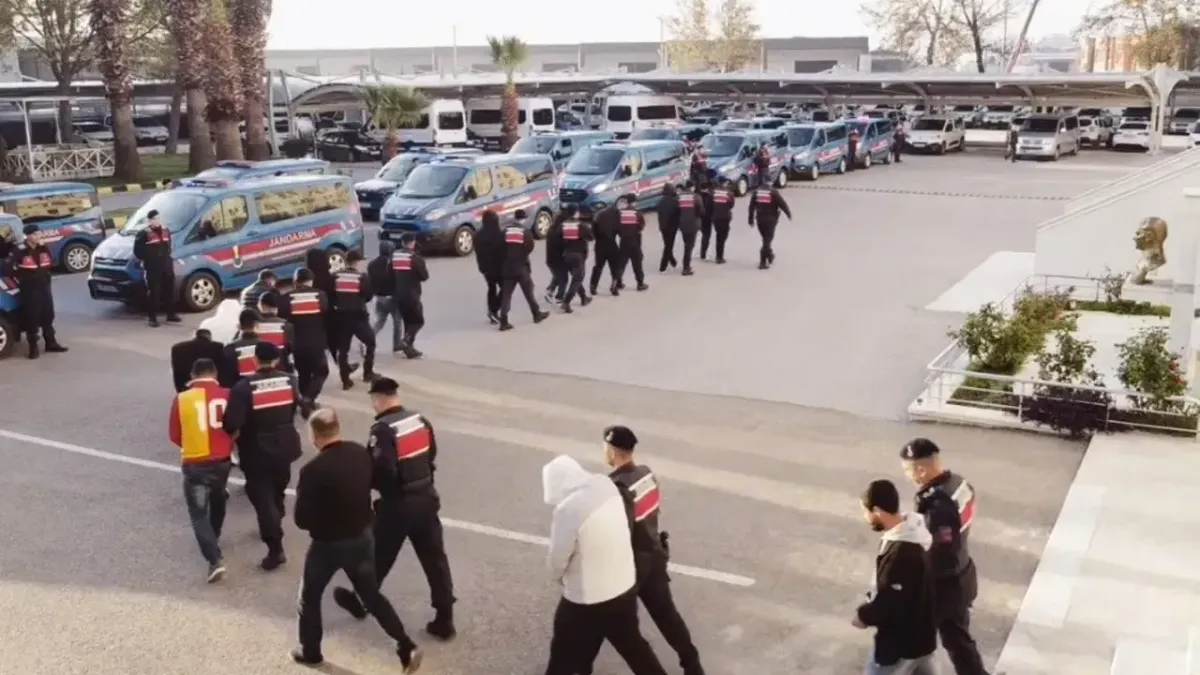
Illegal betting operation across 14 provinces: 38 detained, two fugitives sought
Coordinated raids in 14 Turkish provinces uncovered 3.484 billion lira in betting transactions and led to 38 detentions.
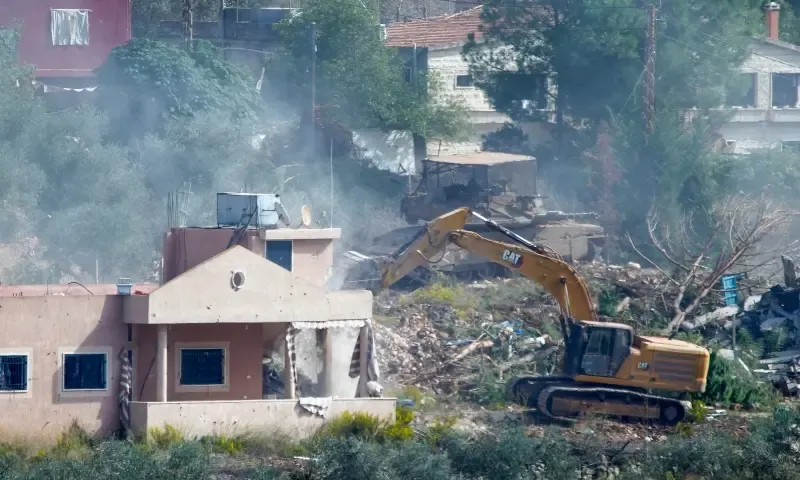
French judges open war crimes probe into Israeli Beirut strike
French judges have opened a war crimes investigation into an Israeli strike on a Beirut apartment building that killed seven civilians in November 2024.
Delhi Police notices target digital rights groups over RSS posts
X tells Delhi High Court takedown notices aimed at IFF and SFLC came from an imposter, not police.
- EU sends Ukraine $4.36 billion aid as 2027 funding gap looms at $70 billion
- UK bans strangulation and incest roleplay porn from November 6
- Cyberattacks Target Supermarket Fridges Across Europe, Greece Warned
- Canada-China trade deal extended to end of 2028, seafood sector welcomes access
- Canada's 2026 Budget Projects $62.3 Billion Deficit and New Grocery Benefit
This page was compiled with AI assistance from the outlets named above and passed an automated language check before publication. Montegre has no reporters of its own; the byline names the outlets the story was compiled from. Method and editorial standards