B.C. election timing secured pensions for 12 MLAs
Twelve British Columbia legislators met the six-year pension threshold the day before the snap election.
KEY POINTS
- The snap election was held on Oct. 24, 2026.
- Twelve MLAs secured pensions the day before the vote.
- Nine NDP and three Conservative legislators reached the six-year threshold.
- Pension rules date to 2007 with a 3.5 percent annual accrual rate.
- NDP director Edward May said pensions did not influence the election timing.
British Columbia Premier David Eby called the snap provincial election for Oct. 24, 2026, one day after several legislators secured their pension rights. Had the vote occurred earlier, outgoing MLAs first elected in 2020 would have received no pension.
Twelve legislators passed the six-year service threshold on Oct. 23, 2026. Nine were from the NDP and three from the Conservative Party.
“David Eby said the timing was because of the threat to British Columbian jobs and cost of living posed by U.S. tariffs, and the fact that B.C. NDP MLAs were being forced to vote from their hospital beds because one empty seat could have brought the government down.”
Among them were former Finance minister Brenda Bailey and former Emergency Management minister Kelly Greene, both of whom did not seek re-election. Susie Chant and Harwinder Sandhu also secured pensions but lost their seats.
Re-elected MLAs who reached the threshold included Brittny Anderson, Jennifer Whiteside, Niki Sharma, Josie Osborne and Grace Lore of the NDP, along with Lorne Doerkson, Bruce Banman and Trevor Halford of the Conservatives.
Pension rules date back to 2007 and provide an annual accrual rate of 3.5 percent of the highest three-year average earnings, capped at 70 percent. MLAs contribute 11 percent of earnings to the fund.
A legislator with six years of service receives a pension equal to 21 percent of their top three-year average earnings. A cabinet minister earning roughly $183,000 would receive slightly more than $38,000 annually.
NDP caucus communications director Edward May said pensions were not a consideration in setting the election date. Eby cited U.S. tariff threats to jobs and cost of living, plus the need for MLAs to vote from hospital beds, as reasons for the timing.
4 more sources below
COMMENTS (0)
No comments yet. Be the first.
RELATED STORIES

Pretti family seeks answers nine months after Minneapolis shooting
Parents of Alex Pretti accuse the Department of Justice of violating their rights and demand transparency in their son's death.

Bahçeli Marks Republic Anniversary and Ankara Summit of Turkic States
MHP leader says the Ankara summit strengthens brotherhood between Türkiye and Azerbaijan and shapes the future of the Turkic world.
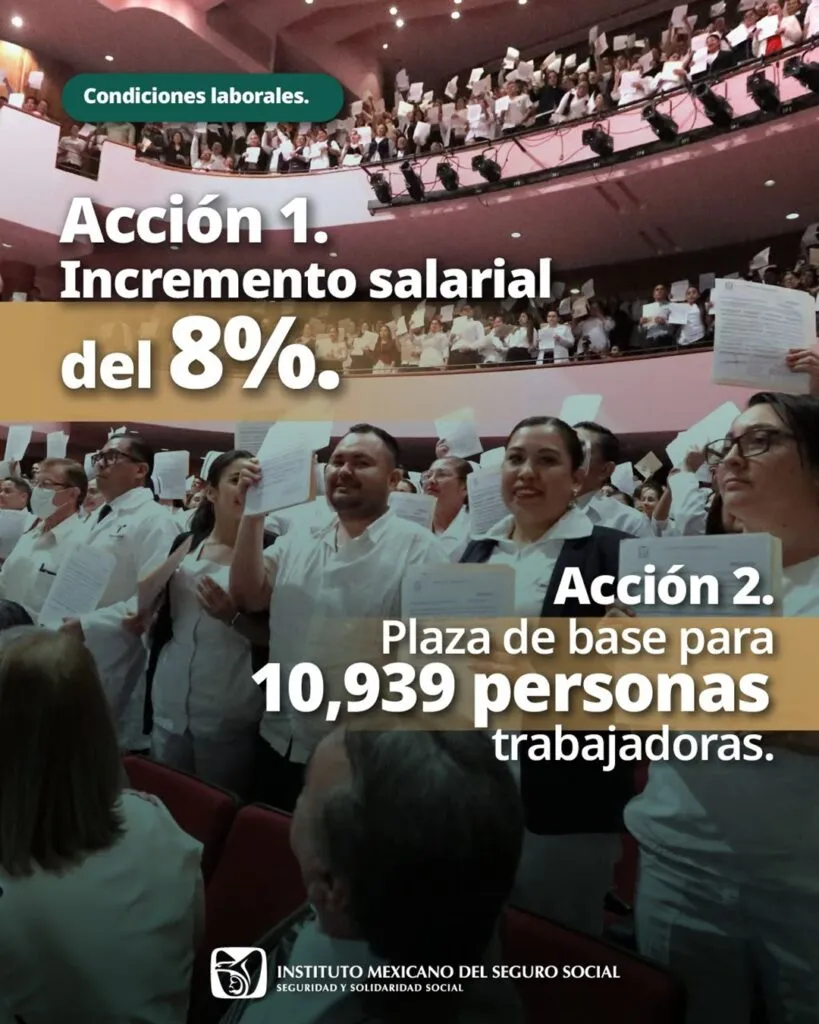
IMSS launches 120-day plan with 8 percent pay raise for 504 thousand workers
IMSS director Zoé Robledo announced 12 actions to improve medical care and labor conditions, backed by 11.745 billion pesos.
- Colombia Activates Protection Route for Woman Accusing Former President Petro
- Gas prices higher under Trump than Biden as Iran war continues
- Singer Bobby Pulido Runs for U.S. House Seat in Texas District 15
- Cúcuta ex-official Miguel Castellanos killed in road attack
- Grand jury rejects indictment against ex-Trump aide Cassidy Hutchinson over Jan. 6 testimony
This page was compiled with AI assistance from the outlets named above and passed an automated language check before publication. Montegre has no reporters of its own; the byline names the outlets the story was compiled from. Method and editorial standards