ECB selects Telefónica and Indra for secure digital euro infrastructure
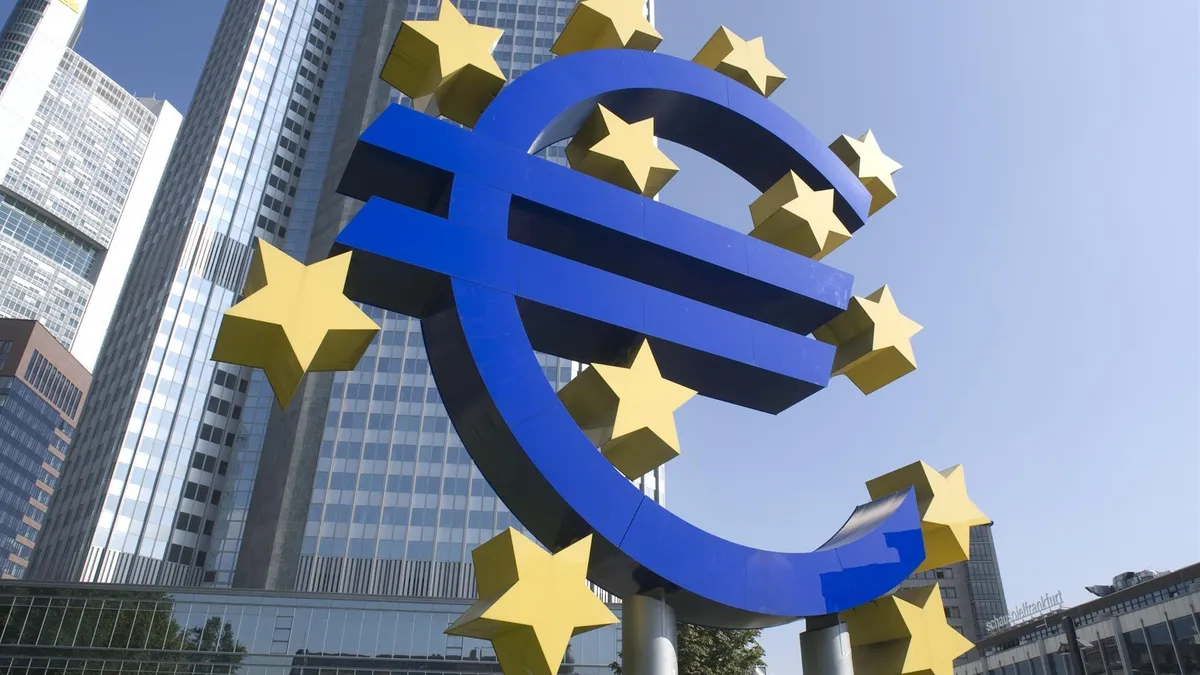
Telefónica and Minsait will build secure communications infrastructure for the European Central Bank's future digital euro.
KEY POINTS
- ECB selects Telefónica and Minsait as one of two contractors for digital euro infrastructure
- Contract starts May 3, 2027 and lasts ten years
- Infrastructure will connect banks, fintechs, and payment service providers securely
- Nexi Payments and Deutsche Telekom Business Solutions consortium covers pilot program needs
- Digital euro is not a cryptocurrency and will not replace cash
The European Central Bank has selected Telefónica and Minsait, the technology company of Indra Group, as one of two contractors to deploy secure communications infrastructure for the future digital euro. The Spanish companies formed a consortium to design and deploy networks and adjacent solutions that integrate communications with necessary security services. Their work will securely interconnect the ecosystem of public and private intermediaries participating in the digital currency, including banks, fintechs, and payment service providers.
The contract with the Spanish companies will enter into force on May 3, 2027, and will last ten years. The ECB also chose the consortium formed by Nexi Payments and Deutsche Telekom Business Solutions, whose contract is already in force and will initially cover the needs of the pilot program.
“We are taking a very relevant step in our strategy to contribute to a more digital, secure, and sovereign Europe, because the digital euro will require a robust, resilient, and protected communications infrastructure.”
The digital euro would be an electronic version of cash issued and backed by the Eurosystem, unlike money deposited in a bank used for card payments. Its design contemplates payments in stores, online purchases, and transfers between individuals, both online and offline. It would not be a cryptocurrency and is not intended to replace banknotes and coins.
The proposal combines communications capabilities, data centers, cybersecurity, operation, and technological integration with an international dimension and distributed infrastructure. Borja Ochoa, president of Telefónica Spain and B2B general director, said the project helps citizens and companies access digital technologies.
Luis Fernández, general director of Minsait, called the digital euro one of Europe's most transformative technological and financial projects. He said participating means putting Minsait's technological capacity in critical systems at the service of a more integrated, secure, and sovereign financial ecosystem.
2 more sources below
COMMENTS (0)
No comments yet. Be the first.
RELATED STORIES
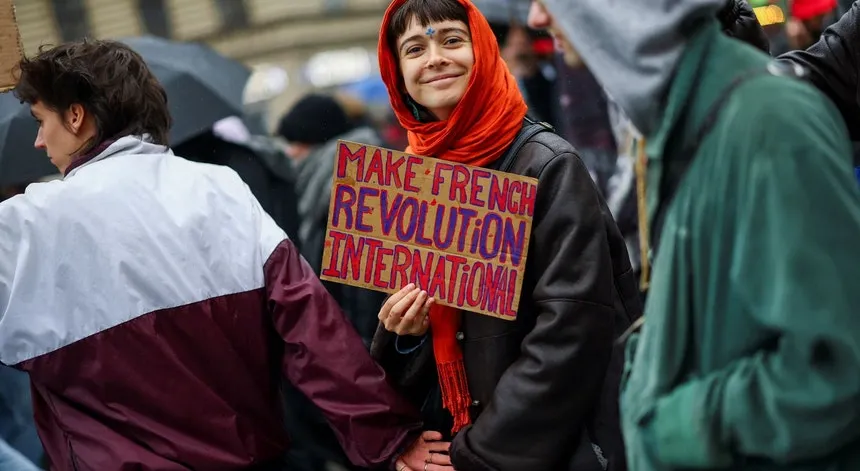
German Gen Z protests target budget cuts and military service
Youth groups plan nationwide demonstrations in dozens of German cities demanding education funding and an end to compulsory military proposals.
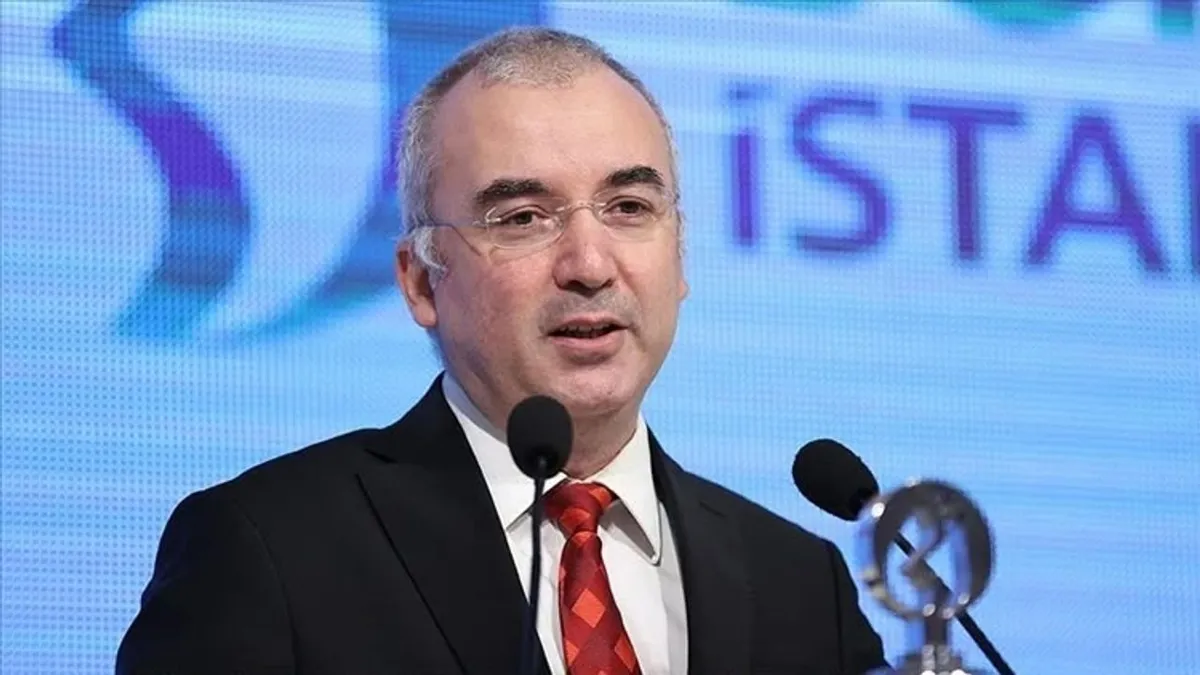
Borsa Istanbul General Manager Detained in Fund Investigation
Korkmaz Enes Ergun was detained over organized crime and bribery allegations as the fund probe reached 120 detainees.
France Votes 5.5-Cent Gigabyte Tax, Tech Firms Warn of Heavy Costs
French lawmakers approved a data-volume tax in the 2027 budget, drawing sharp warnings from VLC and OVHcloud.
- S&P Changes Meta Credit Outlook to Negative Amid AI Spending Concerns
- Agriculture Minister Warns Lake Sapanca Drought Could Leave Kocaeli and Sakarya Without Water
- Gaziantep FK Begins Trabzonspor Match Preparations
- Ontario ends daylight saving time as provinces split on clock changes
- Turkey Competition Authority Investigates Six Hazelnut Firms Over Suspected Violations
This page was compiled with AI assistance from the outlets named above and passed an automated language check before publication. Montegre has no reporters of its own; the byline names the outlets the story was compiled from. Method and editorial standards