Serbia arrests two top police chiefs over torture and evidence-tampering claims
Two senior Serbian police officials have been detained for 48 hours after a former suspect accused them of torture and evidence manipulation in a Belgrade restaurant murder case.
KEY POINTS
- Marko Kricak and Bosko Sekulovic were arrested on November 1, 2026, and detained for 48 hours.
- Nenad L. accused Kricak of torturing him on May 16 to force a statement in the Aleksandar Nesovic murder case.
- The investigation began after a criminal complaint by Veselin Milic’s lawyers and medical documentation of injuries.
- Chief Prosecutor Nenad Stefanovic said the arrests are unrelated to elections and comply with Serbian law.
- Veselin Milic was separately detained over disclosures about illegal demolitions in Savamala.
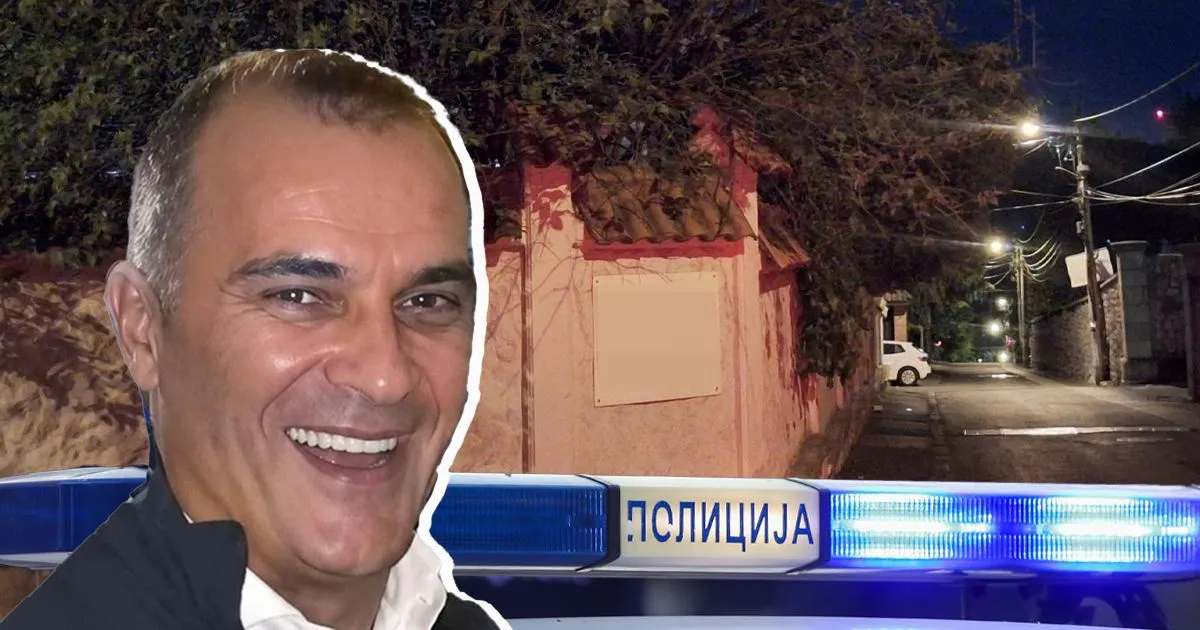
Marko Kricak, head of Serbia’s Criminal Police Directorate, and Bosko Sekulovic, head of the Service for Combating Crime, were arrested on Sunday, November 1, 2026, on the order of the Belgrade Higher Public Prosecutor’s Office. Anti-corruption police carried out the operation, and both officials were detained for 48 hours.
The case concerns the May 2026 murder of Aleksandar Nesovic, known as Baja, at the restaurant "27" in Senjak, Belgrade. Nenad L., charged as an accessory after the fact for allegedly removing blood traces, cleaning the restaurant, and moving the body, has become the key injured party in the new investigation against the police chiefs.
“The prosecution acts exclusively in accordance with the Constitution and laws of the Republic of Serbia.”
Nenad L. told prosecutors that on May 16 he was subjected to brutal physical torture and coercion inside UKP premises to force a statement, directly naming then-UKP chief Marko Kricak as a participant. His lawyer filed a criminal complaint supported by medical documentation of injuries.
The investigation was launched by the Special Department for Combating Corruption of the Higher Public Prosecutor’s Office in Belgrade after obstruction of proceedings in May and a consolidated criminal complaint filed by the injured party’s lawyer at the end of July.
Chief Prosecutor Nenad Stefanovic confirmed the detentions and stated that the office acts exclusively in accordance with the Constitution and laws of the Republic of Serbia. He said the arrests have no connection to the election process or parliamentary election results.
A separate but related matter involves former Belgrade Police Chief Veselin Milic, who was also detained after disclosures about illegal demolitions in the Savamala neighborhood, a decade-old scandal. Milic’s lawyers allege investigators concealed evidence and pressured witnesses and suspects to implicate him in the crime.
According to Bulgarian agency BGNES and Serbian media, the complaint filed on July 30, 2026, includes statements from people who say they were beaten during interrogations and forced to sign false testimonies.
3 more sources below
COMMENTS (0)
No comments yet. Be the first.
RELATED STORIES
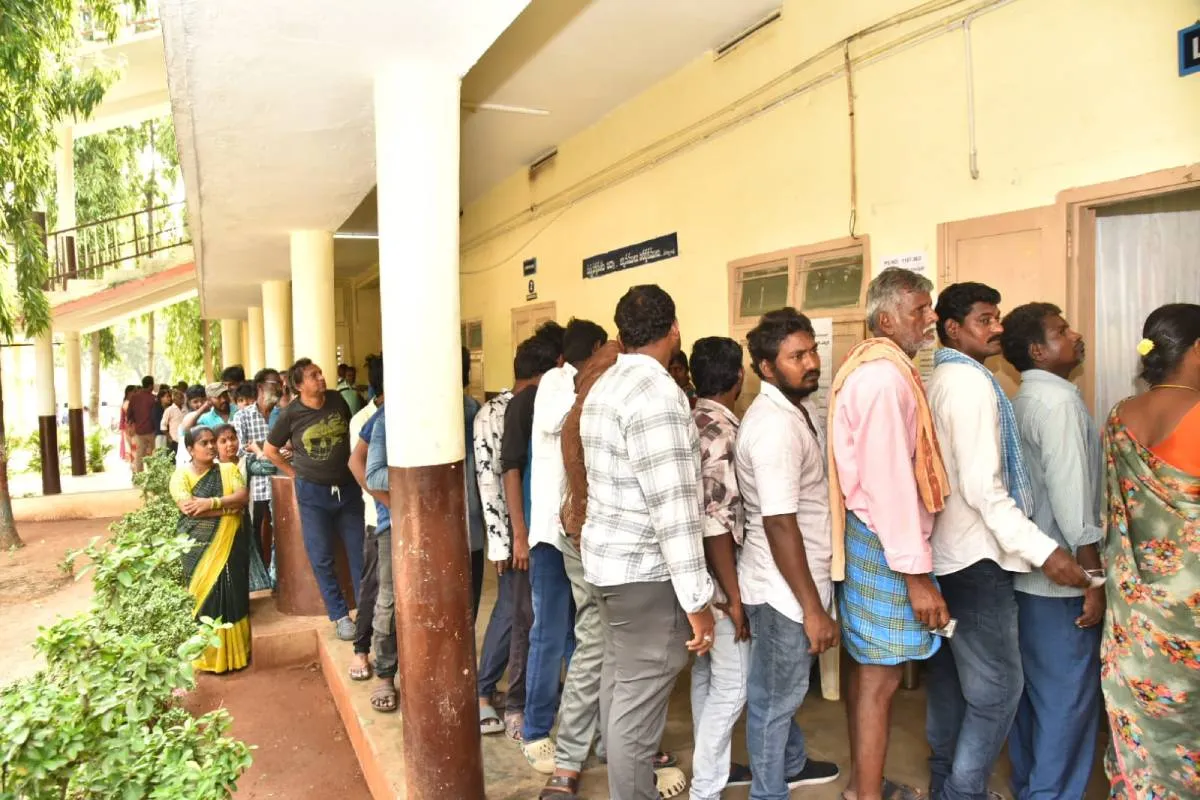
YSRCP demands re-polling after violence at Andhra civic elections
YSRCP alleges agents were blocked and vehicles burned as Jagan protests outside Pulivendula returning officer's office.

INEC Says Registration Officers Added AI Photos to Voter List
Nigeria's election commission says some staff used official logins to insert questionable images into the preliminary voter register.
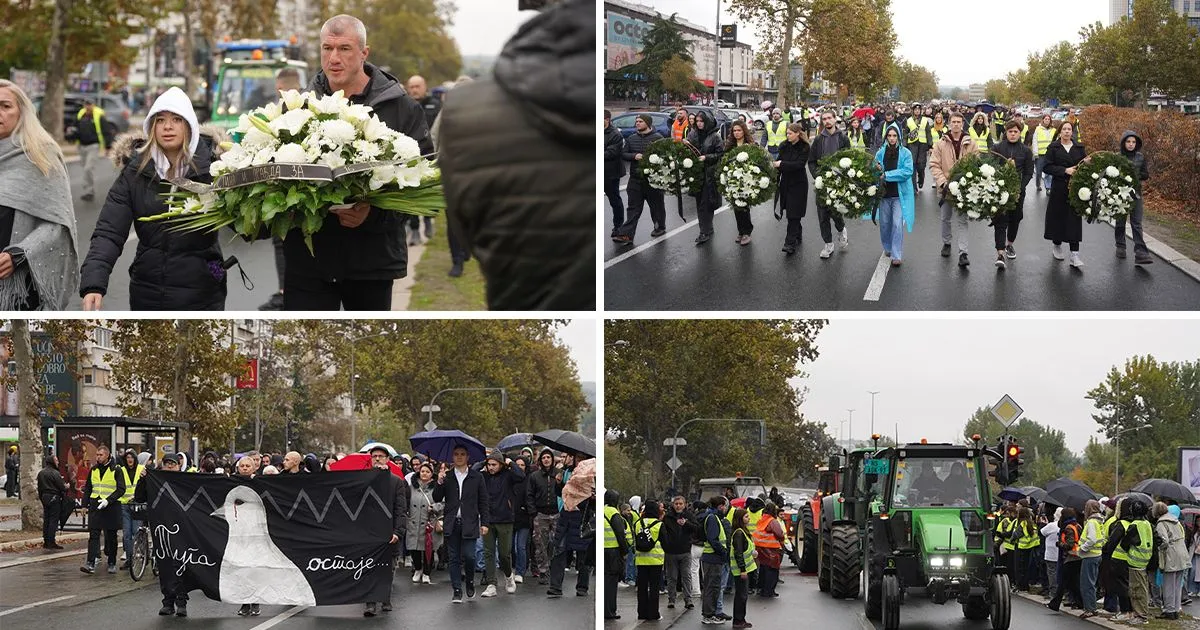
Two Years After Novi Sad Canopy Collapse, Citizens Gather to Honor 16 Victims
Thousands march in silence to the railway station on the second anniversary of the Novi Sad canopy collapse.
- UP Government Orders Action Against KGMU Staff in Conversion Probe
- Umut Güner detained in Istanbul fund investigation
- Judge Dismisses Trump Defamation Suit Against Wall Street Journal Permanently
- Corruption ranks second among US voter concerns ahead of midterms
- Ghanaian Teenager Shot Dead in Bronx After Reporting Bullying at School
This page was compiled with AI assistance from the outlets named above and passed an automated language check before publication. Montegre has no reporters of its own; the byline names the outlets the story was compiled from. Method and editorial standards