COP31 electrification pledge backed by 14 countries as finance questions linger
Türkiye and Australia’s 35-by-35 electricity goal gains support, but just transition and funding remain unresolved.
KEY POINTS
- Türkiye and Australia co-lead the COP31 electrification initiative
- The 35-by-35 goal targets 35 per cent of global final energy consumption from electricity by 2035
- At least 14 countries have endorsed the voluntary pledge
- Island nations warn the pledge must not distract from fossil fuel phase-out
- Both electrification and just transition mechanisms lack confirmed funding
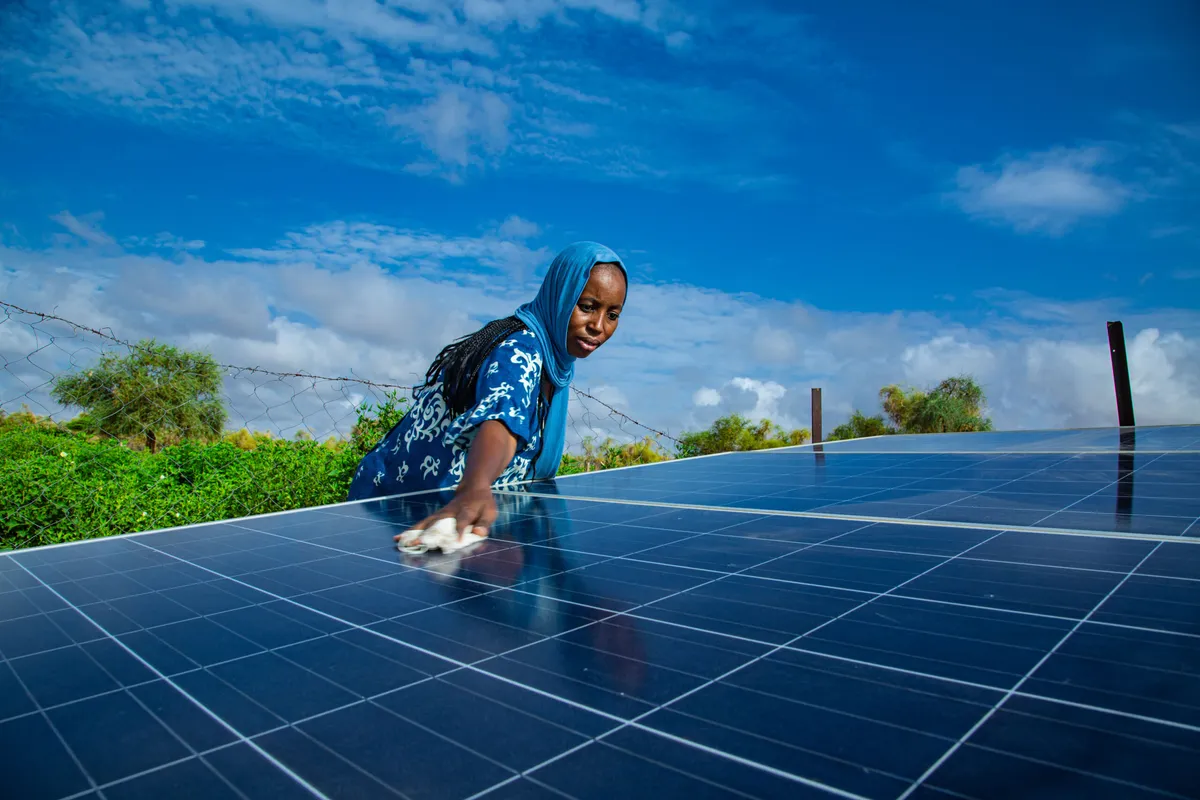
Türkiye and Australia are co-leading a flagship electrification initiative at COP31, proposing that electricity’s share of global final energy consumption rise to 35 per cent by 2035. The plan, known as the 35-by-35 goal, aims to accelerate the global shift toward cleaner power.
At least 14 countries have endorsed the voluntary electrification pledge so far. Island nations have cautioned that the initiative must not distract from the broader shift away from fossil fuels.
“The real promise of the electricity revolution is not simply meeting the growing demands of those who already have plenty, but bringing clean, affordable power to those who have none.”
The electrification push comes as wealthy countries focus on powering AI data centres, electric vehicles and air conditioning. Meanwhile, hundreds of millions of people across Africa and the developing world still live without access to electricity.
Mohamed Adow, director of Power Shift Africa, says the electricity revolution must bring clean, affordable power to those who currently have none, rather than serving only the demands of the rich.
A separate just transition mechanism is also on the COP31 agenda, but both major proposals face the same unresolved question: who will provide the money to implement them.
The first week of negotiations ended early on Sunday, 15 November, after the closing plenary ran past midnight. The presidency had released a reflection note on Friday, 13 November, outlining topics including electrification, the 1.5 degrees Celsius overshoot, Brazil’s fossil fuel roadmaps and adaptation finance.
María Fernanda Souza, Uruguay’s national climate change director and head of its COP31 delegation, said easy early wins, often called low hanging fruits, have not been visible at this conference.
3 more sources below
COMMENTS (0)
No comments yet. Be the first.
RELATED STORIES
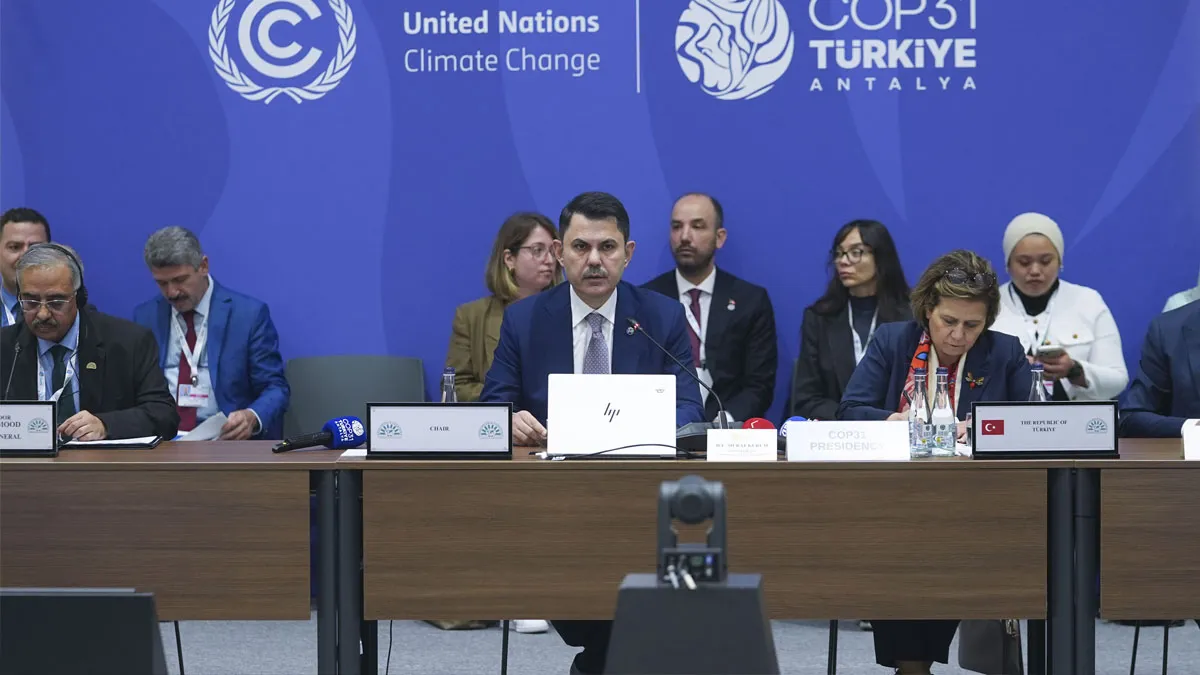
Turkey proposes Antalya-Gaza climate corridor at D-8 summit
Environment Minister Murat Kurum urges D-8 countries to launch urgent climate cooperation for war-torn Gaza during COP31 in Antalya.

India revises PUC certificate validity rules for vehicle categories
New rules tie pollution certificate validity to emission standard, vehicle age and transport use.
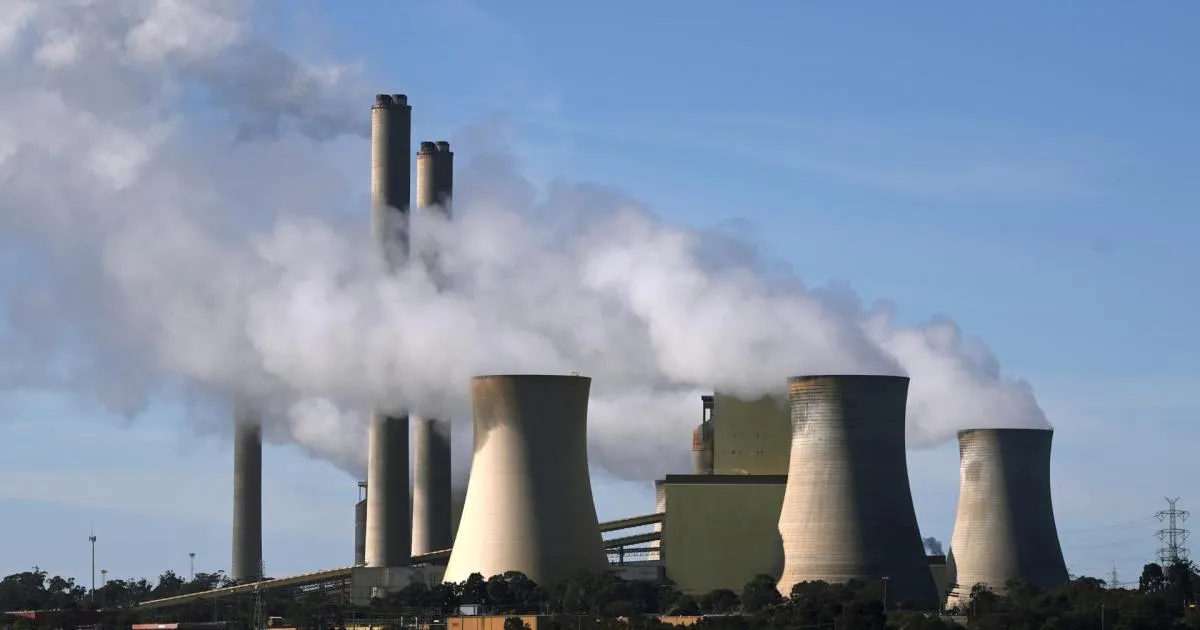
IEA says Iran war energy shock will permanently reshape global power systems
The International Energy Agency warns the world cannot return to pre-crisis energy patterns after the Iran war disrupted global markets.
- Florida pastor convicted in plot to kill Haiti's president Moïse
- Bahçeli calls for Erdoğan to join Shenzhen summit as fourth leader
- Puigdemont reveals negotiations with Sánchez behind 2023 investiture deal
- Turkey receives first Kizilelma combat drone, a world first
- Denmark and Greenland approve expanded U.S. military bases in Arctic security deal
This page was compiled with AI assistance from the outlets named above and passed an automated language check before publication. Montegre has no reporters of its own; the byline names the outlets the story was compiled from. Method and editorial standards