Colombia's President Skips UN, Sends VP to Deliver Speech on Security and Multilateral Reform
Abelardo De La Espriella stayed in Colombia to manage security crises, tasking Vice-President José Manuel Restrepo with delivering his debut UN address.
KEY POINTS
- President De La Espriella skipped the UN General Assembly to remain in Colombia per a campaign promise.
- Vice-President Restrepo delivered the presidential address in New York.
- Speech prioritized security, territorial control, and a broad definition of terrorist groups.
- President called for a review of the UN multilateral system's effectiveness.
- Administration emphasizes sovereignty-based cooperation and non-politicized human rights.
President Abelardo De La Espriella declined to attend the 81st UN General Assembly in New York on Thursday, remaining in Colombia to oversee the security situation in Santa Marta and Cali. He fulfilled a campaign pledge not to leave the country during his four-year mandate.
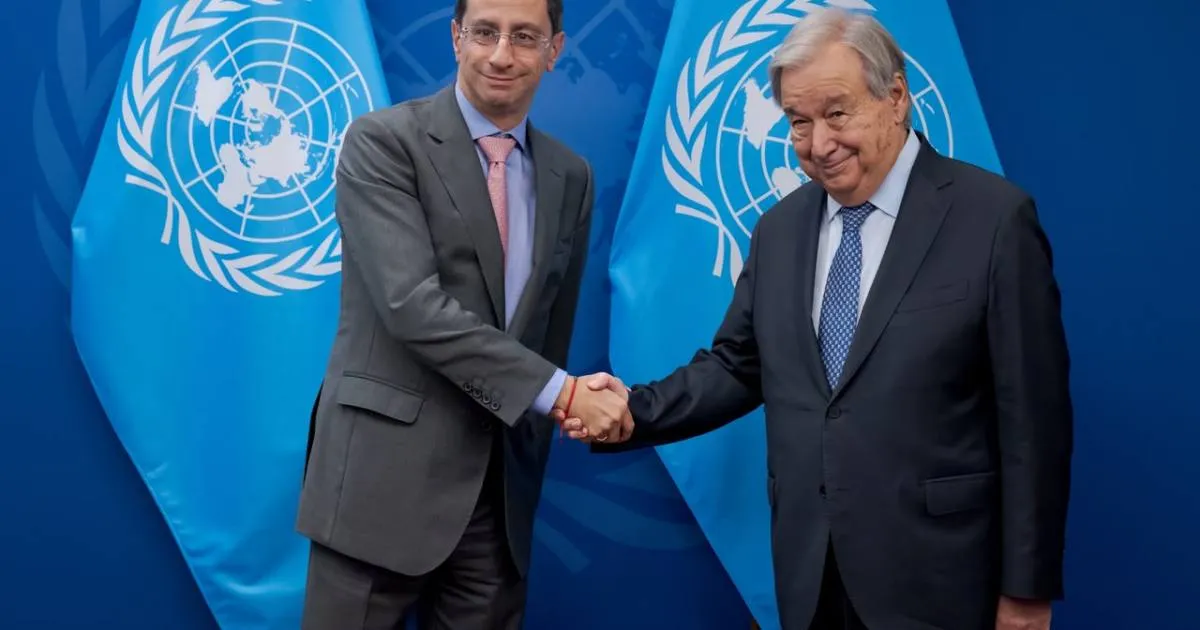
Vice-President José Manuel Restrepo delivered the presidential address, reading a speech written by De La Espriella. Restrepo opened by quoting the president's promise to stay in Colombia, framing the absence as a commitment kept rather than a diplomatic snub.
“I have done so because I assured the Colombian people that I would not leave the country during the four years of my mandate. I am keeping that promise.”
The speech addressed the August 10 earthquake that struck days after the inauguration, citing the government's response to both the natural disaster and a broader crisis of confidence. Restrepo declared that security forces had received an "unequivocal" order to recover territorial control and restore state authority.
De La Espriella's text defined terrorist groups broadly as organizations that murder, kidnap, use explosives, recruit minors, and resort to terror to subdue society. The address also called for a review of the multilateral system's efficacy eight decades after the UN's founding.
The president argued his criticisms of the UN stem from political, institutional, and doctrinal convictions, not animosity. He defended international cooperation based on respect for national sovereignty and human rights without political distinctions.
2 more sources below
COMMENTS (0)
No comments yet. Be the first.
RELATED STORIES

US Sanctions Ground Iranian Airlines Across Middle East and Central Asia
Secondary sanctions force UAE, Iraq, Azerbaijan, Georgia and Turkmenistan to suspend Iranian carrier operations, deepening Tehran's isolation.
Turkey's 'Terror-Free' Executive Committee Holds Second Meeting
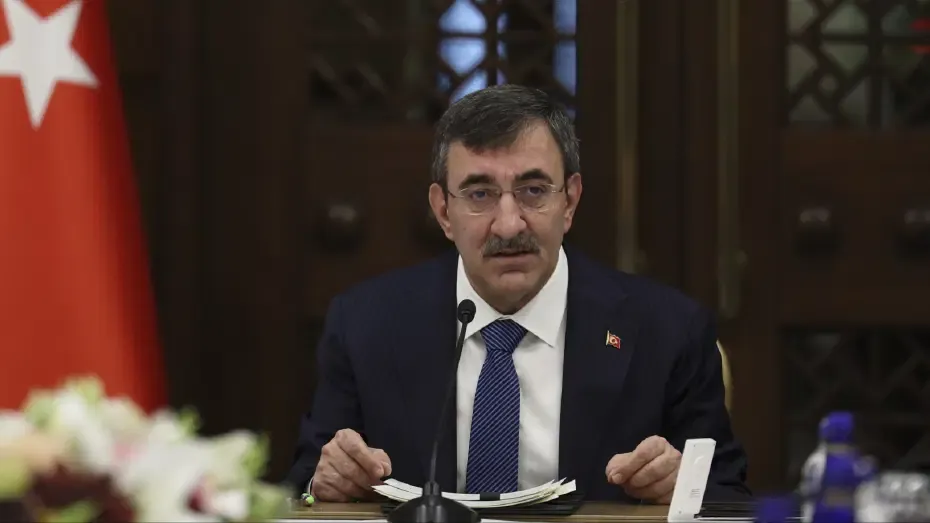
Vice President Cevdet Yilmaz says the four sub-commissions will monitor disarmament, legal reforms, social integration, and field coordination without any foreign mediation.
Egypt Warned Israel of Gaza Attack Days Before Oct. 7, Report Says
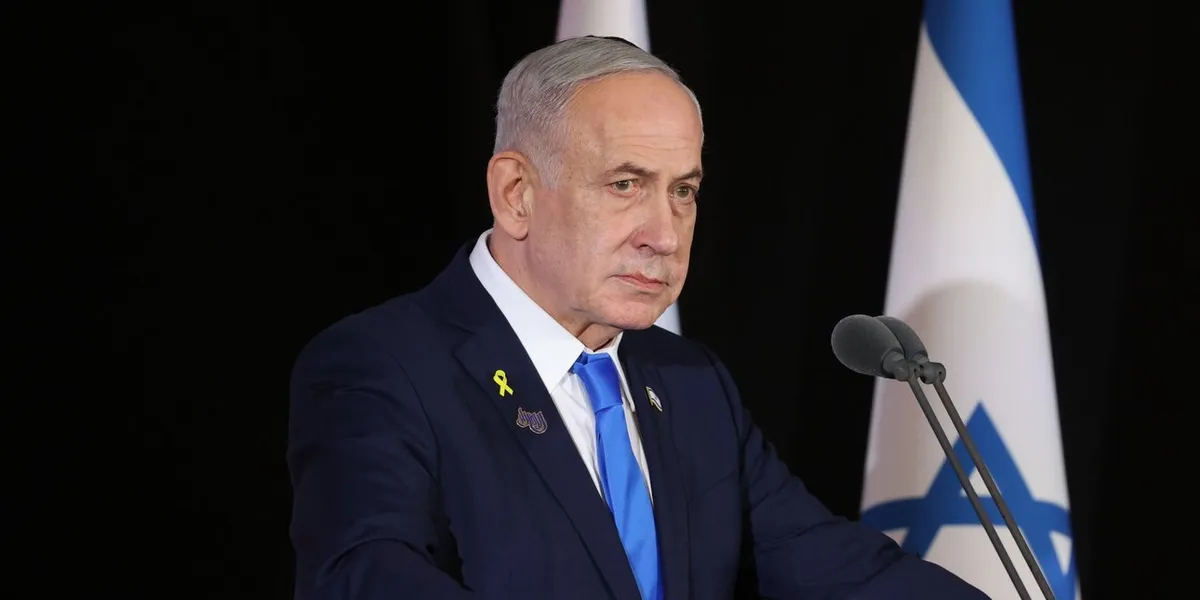
Egypt's intelligence chief flew to Israel on Sept. 26, 2023, warning Hamas was preparing a major assault; Netanyahu denies the account.
- Milei heads to Paris for Argentina Week with ministers, governors
- Trump Administration to Weaken Fuel Economy Standards for Cars, Trucks
- Chile Foreign Minister Faces Historic Interpellation Over Americas Shield Pact
- Colombian President De la Espriella Seeks IMF Deal, Blames Predecessors for Crisis
- Venezuelans Rally for Machado's Return and Presidential Elections
This page was compiled with AI assistance from the outlets named above and passed an automated language check before publication. Montegre has no reporters of its own; the byline names the outlets the story was compiled from. Method and editorial standards