Gaza ceasefire marks one year with stalled progress and continued Israeli strikes
A U.S.-brokered truce has halted major operations but failed to deliver political transition, Hamas disarmament, or reconstruction as Israeli attacks persist.
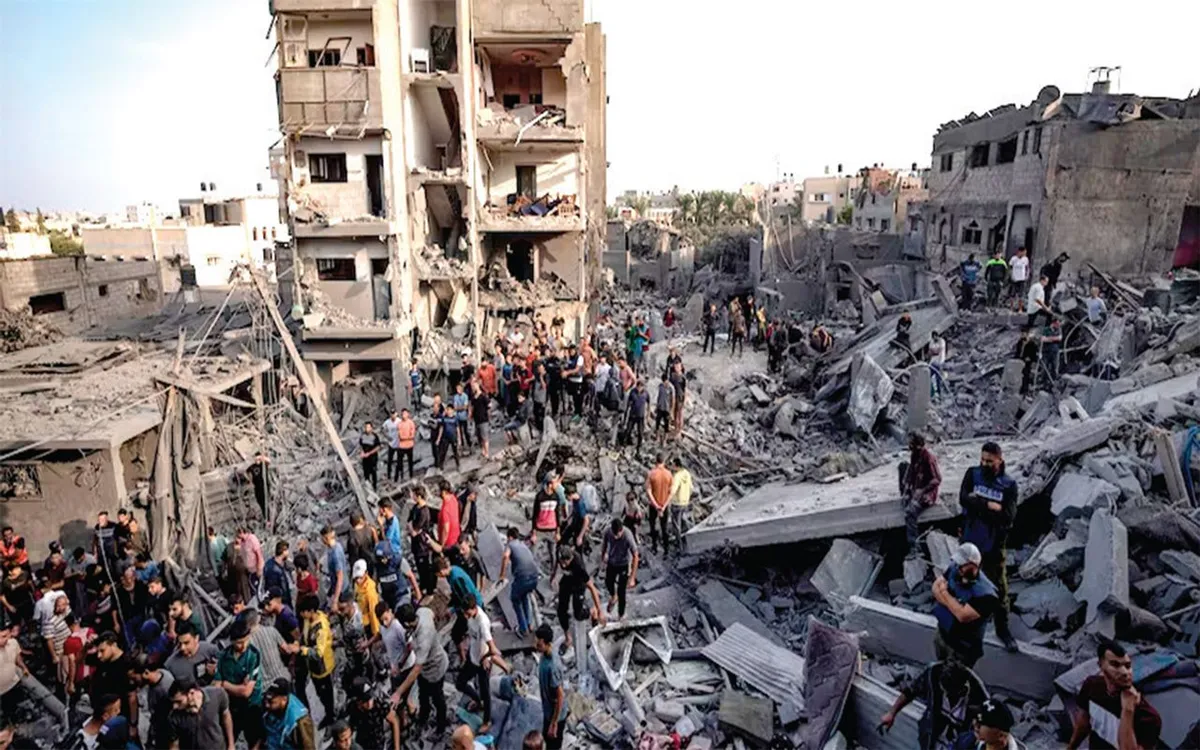
KEY POINTS
- Ceasefire brokered by U.S. and Arab allies took effect October 10, 2025
- Major military operations halted and all remaining hostages released initially
- Over 1,450 Palestinians killed and 5,000+ wounded in Israeli strikes since truce began
- Political transition, Hamas disarmament, and reconstruction remain stalled
- Israel controls over 60% of Gaza, up from 51% at ceasefire start
The U.S.-brokered ceasefire in Gaza reached its first anniversary on October 10, 2026, without advancing to its second phase. The 20-point agreement, negotiated under the Biden and Trump administrations, initially halted major military operations, secured the release of all remaining hostages, and increased humanitarian access.
However, core political provisions remain unfulfilled. A new Palestinian administration backed by international forces has not materialized, Hamas has not disarmed, and Israel continues to control over half the territory. Almost nothing has been rebuilt across the devastated enclave.
“The ceasefire is merely nominal, ink on paper.”
Israeli strikes have continued throughout the truce period. Gaza's Health Ministry reports more than 1,450 Palestinians killed and over 5,000 wounded since the ceasefire began. Islamic Relief estimates an average of one Palestinian killed or wounded every 90 minutes, including at least 320 children. Israel says it targets militants and accuses Hamas of violations.
Israel insists on Hamas's complete disarmament before further progress, while Hamas and the Trump administration say disarmament and Israeli withdrawal should occur simultaneously. Prime Minister Benjamin Netanyahu hardened this stance over the summer, openly defying Trump ahead of Israeli elections.
Gaza's 2 million Palestinians remain in limbo. Most shelter in rodent-infested tent camps, rubble, or damaged buildings at risk of collapse. Displaced residents describe the ceasefire as "merely nominal, ink on paper." Israeli troops have expanded the "yellow line" control zone from 51% to over 60% of the Strip, increasing overcrowding.
5 more sources below
COMMENTS (0)
No comments yet. Be the first.
RELATED STORIES
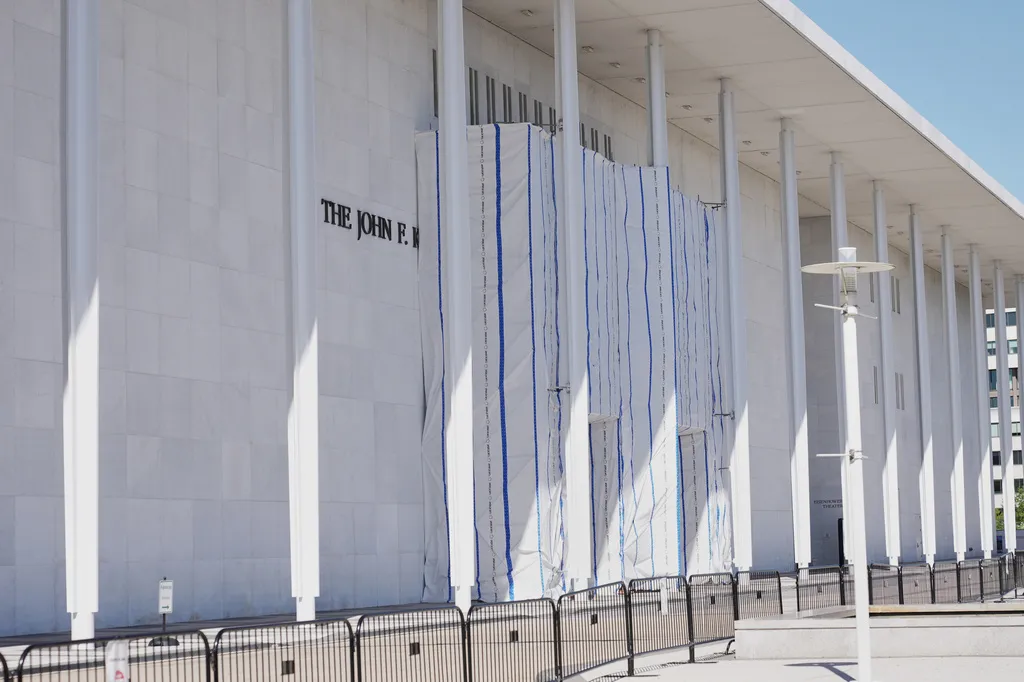
Judge Considers Lifting Order Blocking Kennedy Center Closure
A federal judge heard arguments on whether the Kennedy Center can close its main building for two years of renovations.

Argentina awaits sea tribunal ruling on Sea Lion oil project
Argentina seeks provisional measures to halt UK-backed oil activities near the Falkland Islands while arbitration proceeds.

Zardari and Shehbaz insist referendum on new provinces needs parliament approval
Pakistan's leaders say any vote on creating new provinces must follow constitutional procedures and gain parliamentary consent.
- Spain's Migration Crisis Strains Ceuta and Sánchez Government
- Modi marks IIT Kharagpur platinum jubilee, cites 12 years of progress
- University of Ghana reviews UGEL hostel fee dispute after Rent Control inspection
- German Gen Z protests planned for Friday across dozens of cities
- Intelligence Sergeant Yalın Gergün Dies in Weapon Accident in Şırnak
This page was compiled with AI assistance from the outlets named above and passed an automated language check before publication. Montegre has no reporters of its own; the byline names the outlets the story was compiled from. Method and editorial standards