IEA says Iran war energy shock will permanently reshape global power systems
The International Energy Agency warns the world cannot return to pre-crisis energy patterns after the Iran war disrupted global markets.
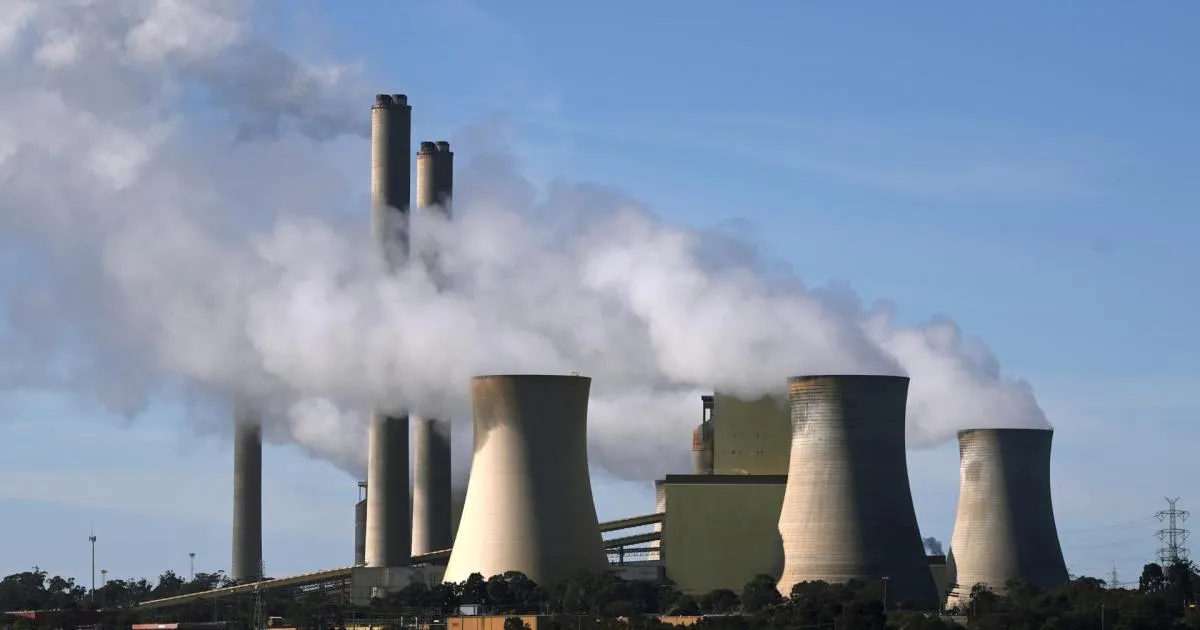
KEY POINTS
- The Iran war caused the largest energy shock in history, according to the IEA
- Renewables and nuclear gain advantage while coal remains a crisis backup
- The Strait of Hormuz closure cut off around a fifth of global traded oil
- COP31 climate talks in Turkey focus on electrification and fossil fuel phase-out
- The U.N. warns the world is close to missing the 1.5 degrees Celsius warming limit
The International Energy Agency says the energy crisis triggered by the Iran war will leave lasting marks on the world's energy sector. The Paris-based agency, founded after the 1973-74 energy crisis, released its flagship report on Thursday.
Energy-hungry nations will prioritize the security and affordability of electricity, according to the report. This shift benefits renewable technologies such as solar and alternative technologies such as nuclear, while also reinforcing the case to keep coal as a backup during crises.
“I don't see any credible pathway for the energy world to return to the way it was before.”
The report highlights coal-rich Asia, which entered energy triage when the Iran war cut off the Strait of Hormuz. The narrow passageway normally carries around a fifth of the world's traded oil.
IEA Executive Director Fatih Birol said the war delivered a huge shock to the system and warned that the longer the crisis lasts, the deeper the effects will be. He stated there is no credible pathway for the energy world to return to the way it was before.
The report comes during the second and final week of the annual United Nations climate talks, COP31, hosted in Turkey. The U.N. warned before the negotiations that the world is dangerously close to missing its goal of limiting global warming to 1.5 degrees Celsius above pre-industrial temperatures.
Electrification and moving away from planet-warming fossil fuels are the two major issues at this year's climate talks. Rachel Cleetus, climate program director at the Union of Concerned Scientists, said the future of the energy system and climate are inextricably intertwined.
3 more sources below
COMMENTS (0)
No comments yet. Be the first.
RELATED STORIES
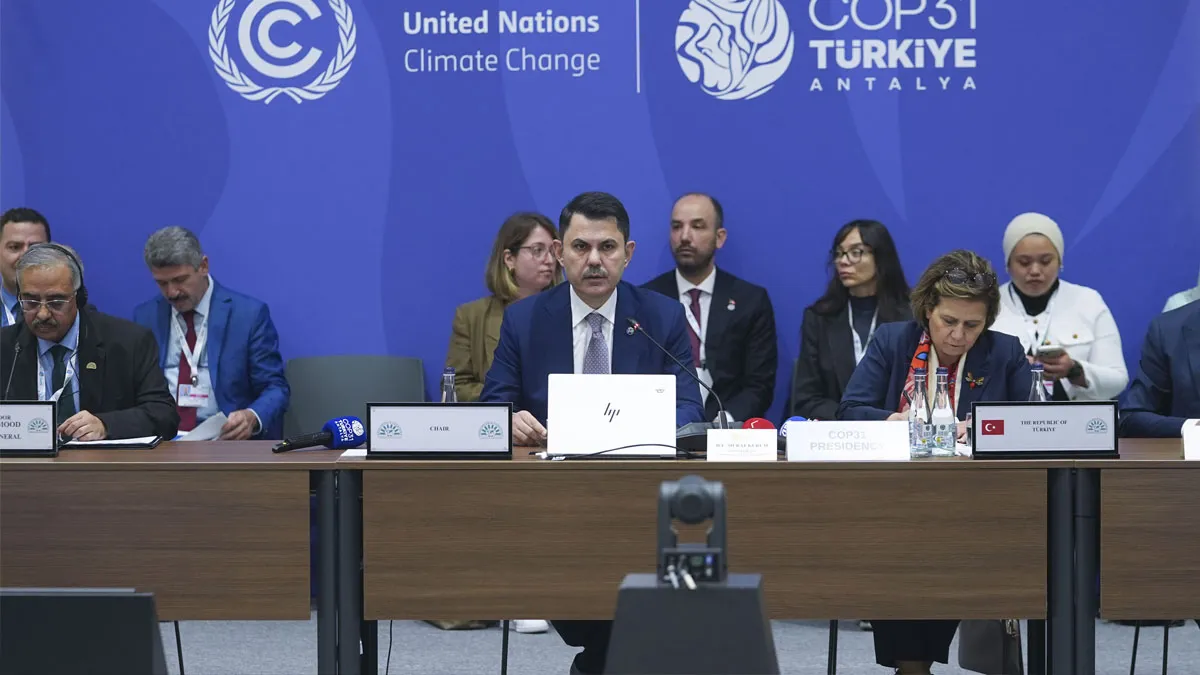
Turkey proposes Antalya-Gaza climate corridor at D-8 summit
Environment Minister Murat Kurum urges D-8 countries to launch urgent climate cooperation for war-torn Gaza during COP31 in Antalya.

India revises PUC certificate validity rules for vehicle categories
New rules tie pollution certificate validity to emission standard, vehicle age and transport use.
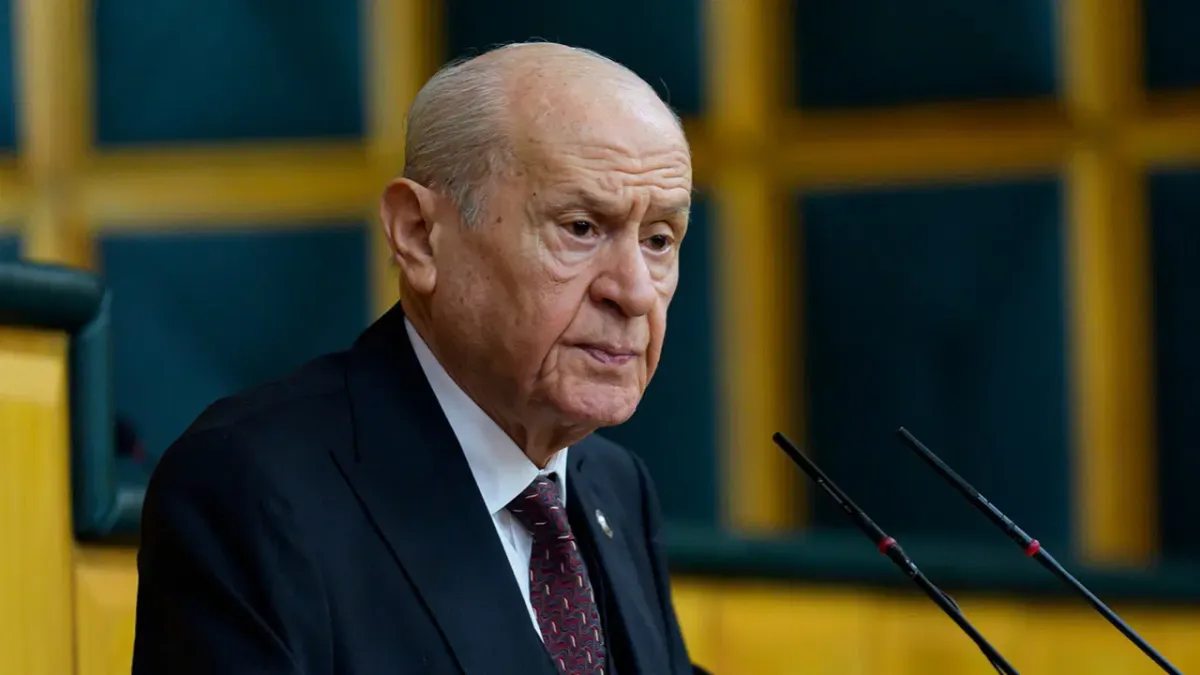
Bahçeli calls for Erdoğan to join Shenzhen summit as fourth leader
MHP leader says Turkey cannot be ignored in global diplomacy and urges a four-way meeting including Erdoğan.
- Turkey receives first Kizilelma combat drone, a world first
- Anthropic Founders Set to Become Billionaires in Record Nasdaq IPO
- Milan court postpones final hearing in child social media lawsuit against Meta and TikTok until January 21
- European Commission Hit by Cyberattack, Staff Data at Risk
- Detained police officer claims setup in Gülistan Doku investigation
This page was compiled with AI assistance from the outlets named above and passed an automated language check before publication. Montegre has no reporters of its own; the byline names the outlets the story was compiled from. Method and editorial standards