Iranian attacks on ships in Strait of Hormuz reach record levels since war began
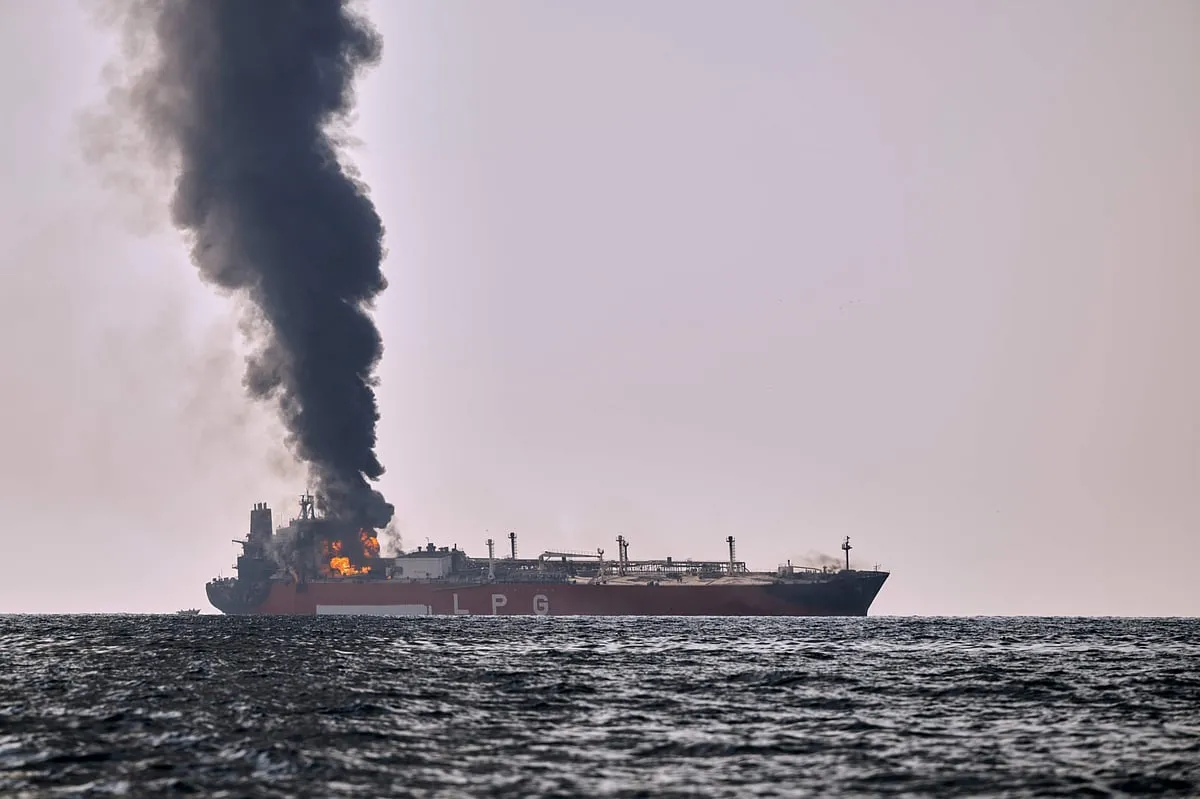
Attacks on vessels in the Strait of Hormuz have surged since February, with October marking the most dangerous month of the conflict.
KEY POINTS
- Iranian attacks on ships in the Strait of Hormuz have more than doubled since the war began on February 28
- October recorded more than 38 attacks, the highest monthly total of the conflict
- November had at least 22 incidents by Sunday, the second-highest monthly figure
- About two-thirds of attacked ships suffered only minor damage and continued sailing
- Commercial traffic through the strait remains far below projected 2025 levels
Iranian attacks targeting ships in the Strait of Hormuz have intensified sharply since the war between the United States and Israel and Iran began on February 28. The number of recorded strikes more than doubled compared with the previous seven months, according to data cited by The New York Times.
October was the most dangerous month of the war so far, with more than 38 attacks recorded. In November, at least 22 incidents had already been counted by Sunday, making it the second-highest monthly total of the conflict.
“We do not need a deal with Iran. Those times are over!”
Before October, the region averaged about ten attacks per month. The area covered includes the Strait of Hormuz, the Persian Gulf, and the Gulf of Oman. International Maritime Organization data also identified October as the month with the highest number of confirmed incidents this year.
Most strikes consisted of isolated gunfire intended to disable vessels. According to the United Kingdom Maritime Trade Operations agency, about two-thirds of ships attacked since the start of the war suffered only minor damage and were able to continue sailing.
Two tankers were struck in the strait on Saturday, November 21, and another vessel was attacked on Tuesday. On average, about one attack per day was recorded in the strait and surrounding areas during the first sixteen days of November, according to the Washington Institute for Near East Policy.
Tehran has sought to disrupt maritime traffic in response to US and Israeli attacks and Washington's blockade of Iranian ports. Commercial shipping through the strait, which previously carried about one-fifth of global oil, remains well below projected 2025 levels. US President Donald Trump said this month that Washington does not need a deal with Tehran and has directed Vice President JD Vance to focus on other matters.
3 more sources below
COMMENTS (0)
No comments yet. Be the first.
RELATED STORIES
Iran prepares 14 tankers to challenge US blockade in Strait of Hormuz
Iranian officials say tankers are ready near Kharg Island as diplomatic talks continue amid rising tensions.

Tinubu Holds APC Rally in Ibadan Amid Makinde Tensions
President Tinubu campaigns in Oyo State as Governor Makinde’s image appears on a rally balloon and the 2027 election approaches.

NFL Returns to Mexico City: 49ers Face Vikings at Estadio Banorte on Nov. 22
The San Francisco 49ers and Minnesota Vikings meet in Mexico City for Week 11 of the 2026 NFL season, marking the league's return to the country after four years.
- Russian warship hit by explosion at Benghazi naval base
- Jeffries to advance West Bank settler violence bill in first 100 days
- Turkey's Foreign Minister Welcomes Iraq Steps Against PKK Presence in Sinjar
- Trump Completes 15-Hour Nonstop Flight From China to Washington
- Christian nationalists plan post-Trump push after Republican midterm losses
This page was compiled with AI assistance from the outlets named above and passed an automated language check before publication. Montegre has no reporters of its own; the byline names the outlets the story was compiled from. Method and editorial standards