Israel Election Sees Record Turnout Since 1973 as Polls Close
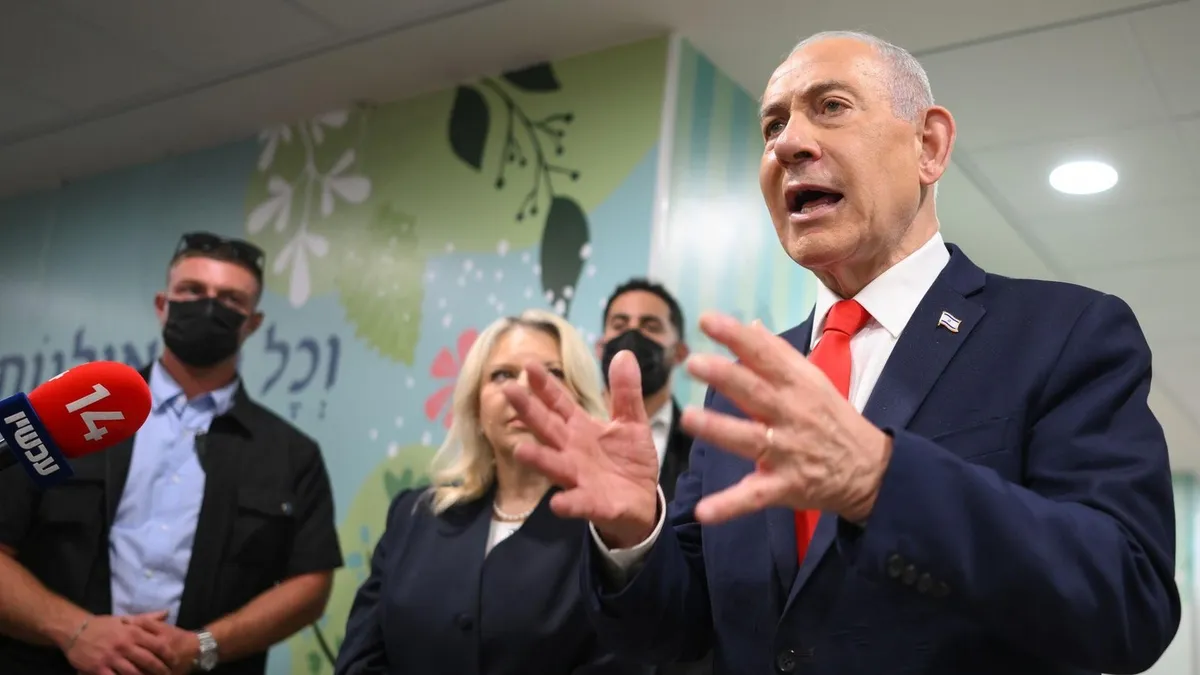
Voter participation reached unprecedented levels in Israel's parliamentary election, with Likud strongholds showing lower turnout than the national average.
KEY POINTS
- Election held on October 27, 2026, for the Knesset
- Turnout reached 66.7 percent by 6 p.m.
- Midday turnout of 44.9 percent is a record since 1973
- About 7.3 million Israelis were eligible to vote
- Likud strongholds showed below-average participation
Israelis voted in parliamentary elections on Tuesday, October 27, 2026, to elect a new Knesset. Polling stations opened at 7 a.m. local time for approximately 7.3 million eligible voters.
By 10 a.m., 16.68 percent of eligible voters had cast ballots, compared to 15.9 percent at the same hour in 2022. Turnout reached 31.5 percent by noon, surpassing the 28.4 percent recorded during the previous elections.
“In Israel a wind of change is blowing, this change will arrive tonight at 10 p.m.”
At 2 p.m., participation climbed to 44.9 percent, or 3.29 million voters, marking the highest midday turnout since records began in 1973. Election Commission Director Dean Livne announced the figure.
By 6 p.m., turnout had risen to 66.7 percent, up from 57.7 percent at the same time in the previous election. Polling stations closed at 10 p.m. local time, after which initial projections were expected.
Likud, led by Prime Minister Benjamin Netanyahu, requested extended polling hours and urged supporters to vote exclusively for the party via Telegram. Gadi Eisenkot, Netanyahu's main challenger, cast his vote in Holon and said a wind of change was blowing through Israel.
National turnout grew rapidly, but some traditional Likud strongholds recorded participation well below the national average. Turnout was also high among Arab Bedouin communities in the south and at military bases in the north.
6 more sources below
COMMENTS (0)
No comments yet. Be the first.
RELATED STORIES
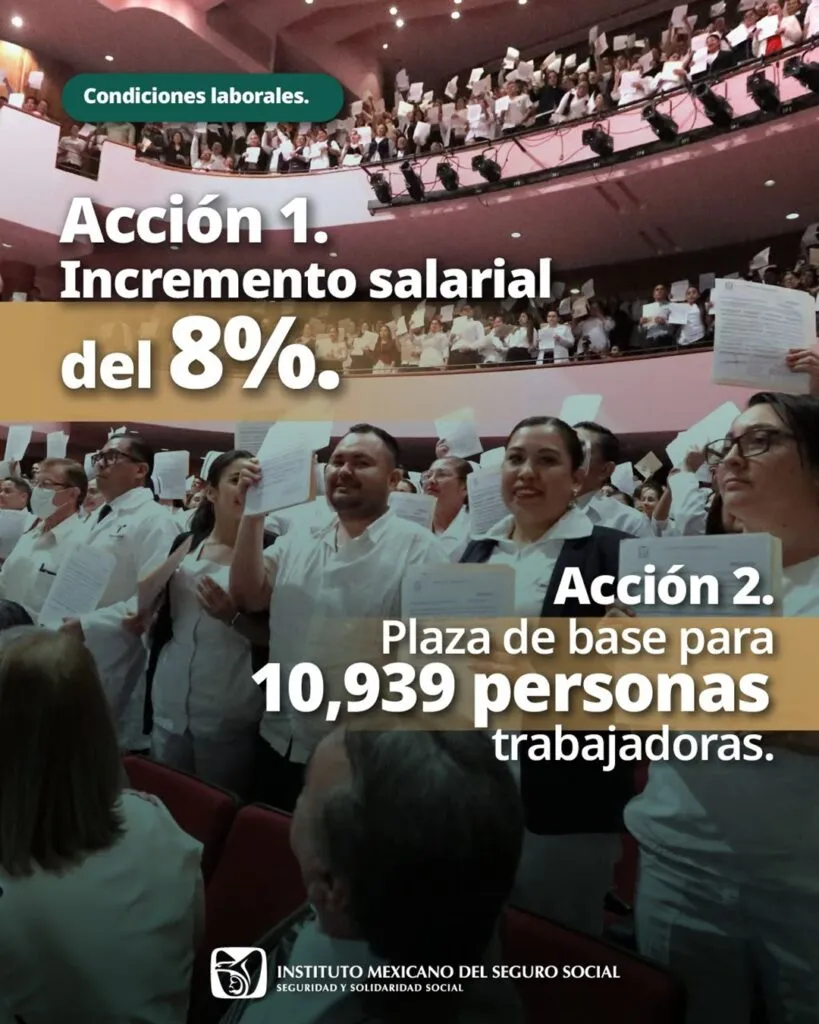
IMSS launches 120-day plan with 8 percent pay raise for 504 thousand workers
IMSS director Zoé Robledo announced 12 actions to improve medical care and labor conditions, backed by 11.745 billion pesos.
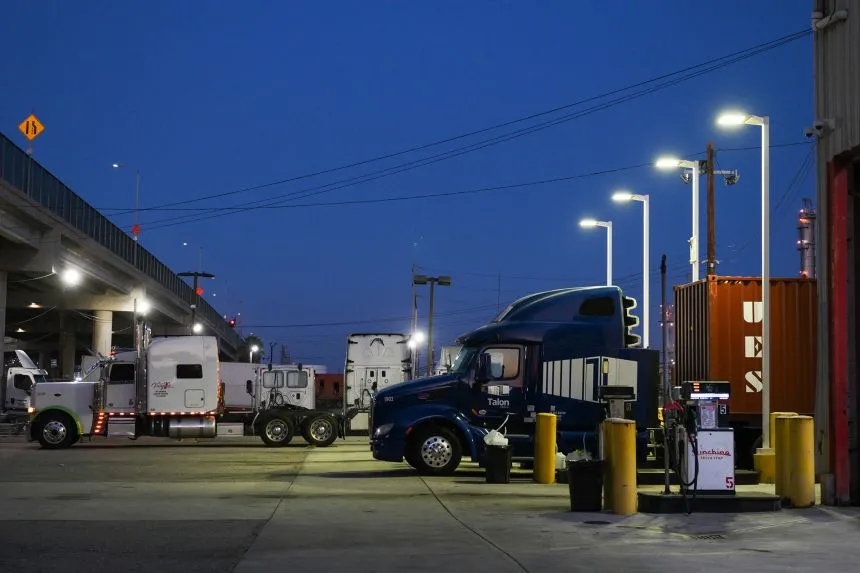
Gas prices higher under Trump than Biden as Iran war continues
US gasoline prices remain above Biden-era levels nearly eight months into the Iran conflict, with the White House taking steps to ease costs ahead of the midterms.
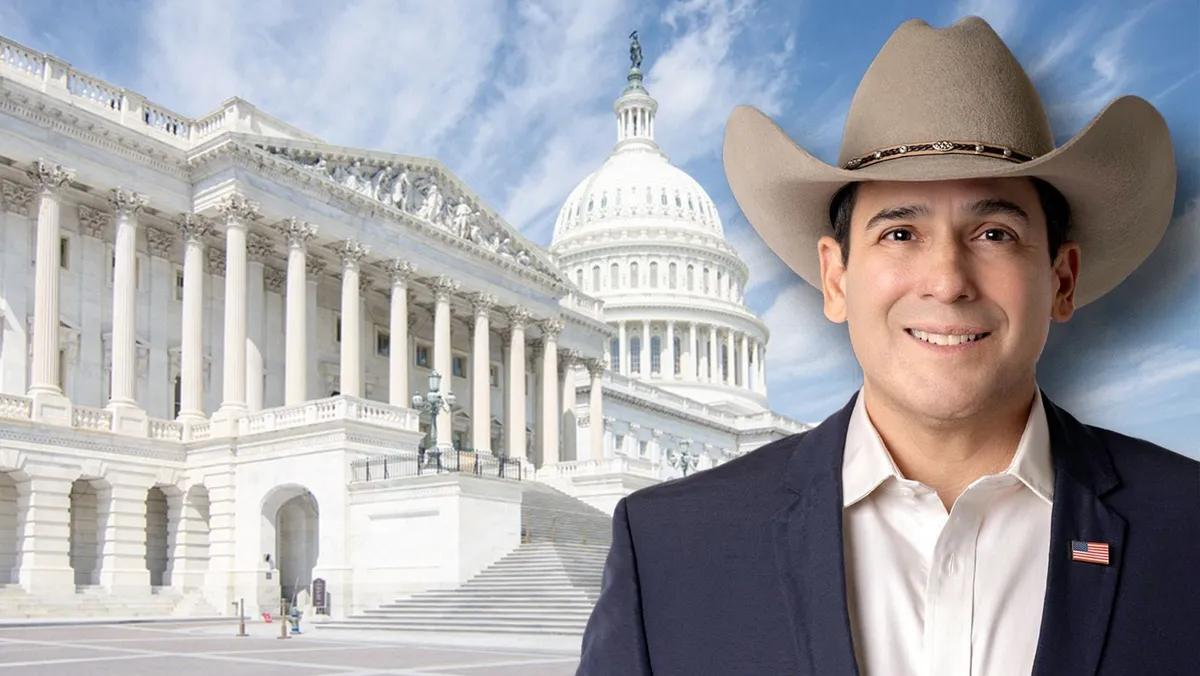
Singer Bobby Pulido Runs for U.S. House Seat in Texas District 15
Tex-Mex singer Bobby Pulido is challenging Republican Representative Mónica De La Cruz in Texas District 15, campaigning on voter discontent with Donald Trump's administration.
- Cúcuta ex-official Miguel Castellanos killed in road attack
- Finland and Norway leaders hold first Putin call in over four years, sparking Nordic split
- Grand jury rejects indictment against ex-Trump aide Cassidy Hutchinson over Jan. 6 testimony
- King Charles begins Caribbean tour amid slavery reparations demands
- Akgün Altuğ re-elected SATSO chairman for third term after chamber elections
This page was compiled with AI assistance from the outlets named above and passed an automated language check before publication. Montegre has no reporters of its own; the byline names the outlets the story was compiled from. Method and editorial standards