Massive Waves Hit California Coast as Three Storms Approach
Forecasters warn of waves over 35 feet and urge the public to stay away from the water this weekend.
KEY POINTS
- Three storms will hit the Greater Bay Area starting Friday
- Waves could reach over 35 feet, with 50-foot waves at Mavericks
- Around 270 homes in Santa Cruz County were under evacuation warnings
- City beaches in Santa Cruz were closed through Sunday
- Forecasters warn the public to stay away from the water entirely
Three storms are expected to hit the Greater Bay Area starting Friday, bringing dangerous waves and high seas to the Pacific coast. The first storm will reach the North Bay on Friday morning and move into the San Francisco Bay region by early afternoon, with showers continuing into the evening. Forecasters predict up to 1.2 inches of rain in the North Bay and up to 0.8 inches elsewhere, with a 15% chance of thunderstorms.
A second system is set to arrive Sunday and seep into Monday, while a third system will follow by mid-next week. Meteorologists say the rain totals for Sunday are still being refined but will likely be similar to Friday's system. The storms are not classified as an atmospheric river because they are not slow-moving and are not expected to stall over the region.
“No selfie of the crashing waves is worth losing your life.”
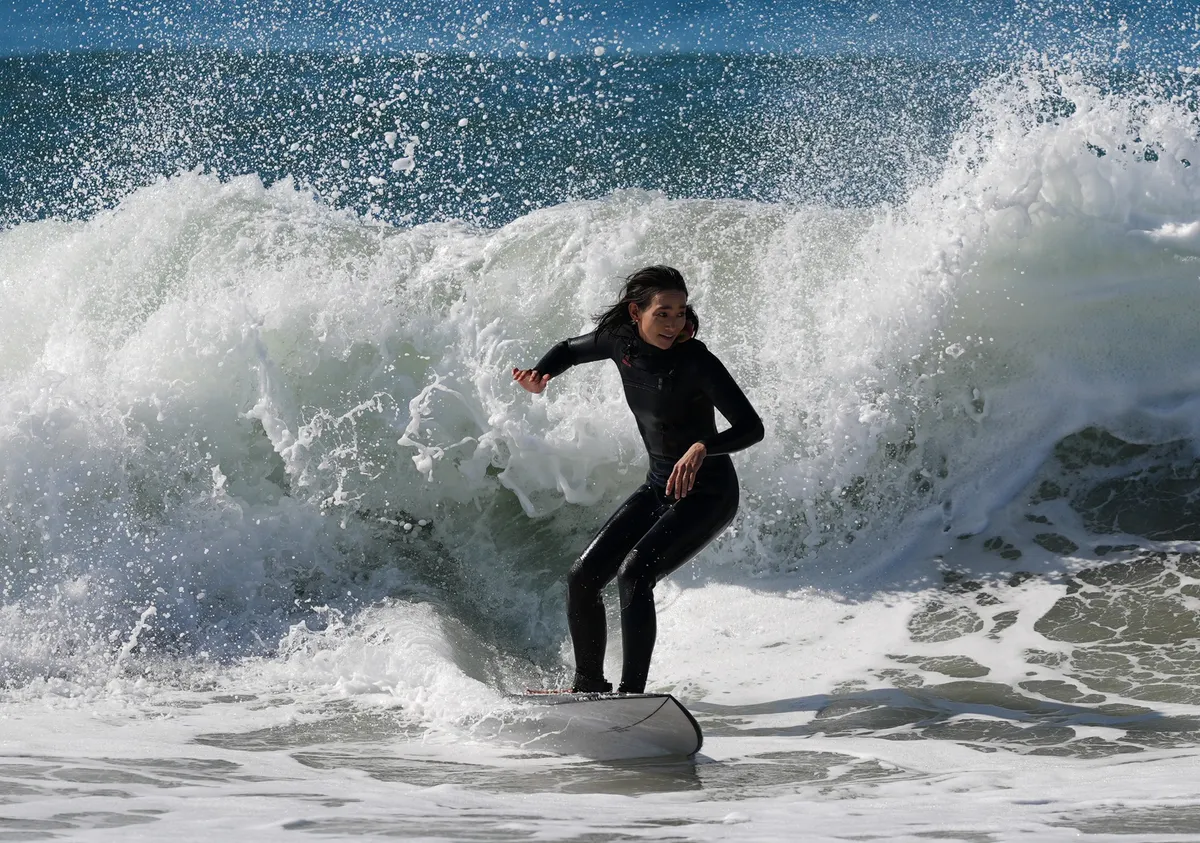
Beyond rain, forecasters expect dangerously large waves along the coast from Monterey to the north. From Friday night to Sunday, waves could reach over 35 feet, with occasional 50-foot waves at popular surf spots like Mavericks. Strong rip currents and sneaker waves could drag people or pets into the sea.
The National Weather Service issued a high surf warning predicted to last through Monday morning. Meteorologist Joe Merchant said more consistent 25 to 35-foot waves are expected throughout the entire weekend and could be deadly. Climate scientist Daniel Swain noted that storm surge could make waves crash two feet higher than normal, causing more erosion than usual.
The largest waves in nearly two years pounded the California coast on Saturday, crashing onto beaches and raising the threat of flooding to coastal roads and communities. Waves grew larger Friday night as a rainstorm swept the state and increased further Saturday morning, smashing into coastal piers. The biggest waves were expected in Northern California, with heights of more than 40 feet at fully exposed beaches and more than 50 feet at Mavericks.
In Santa Cruz, about 90 minutes south of San Francisco, city beaches were closed through Sunday. Around 270 homes in Santa Cruz County were under evacuation warnings. These are the biggest waves the region has seen since December 2024, when the surf tore apart the municipal wharf, which was closed on Saturday.
Officials urged the public to avoid the water entirely. Roger Gass said no selfie of crashing waves is worth losing a life, while Joe Merchant simply advised people to stay away from the water at all.
3 more sources below
COMMENTS (0)
No comments yet. Be the first.
RELATED STORIES

Spain Rescues More Than 1,500 Migrants in Record Atlantic Route Day
Rescue teams brought over 1,500 people to the Canary Islands on Saturday, the highest daily total in 32 years on the Atlantic migration route.

MSF warns Ebola response in Congo remains out of control
Doctors Without Borders says dysfunctions, missing funds and unpaid staff are hampering efforts six months after the outbreak was declared.
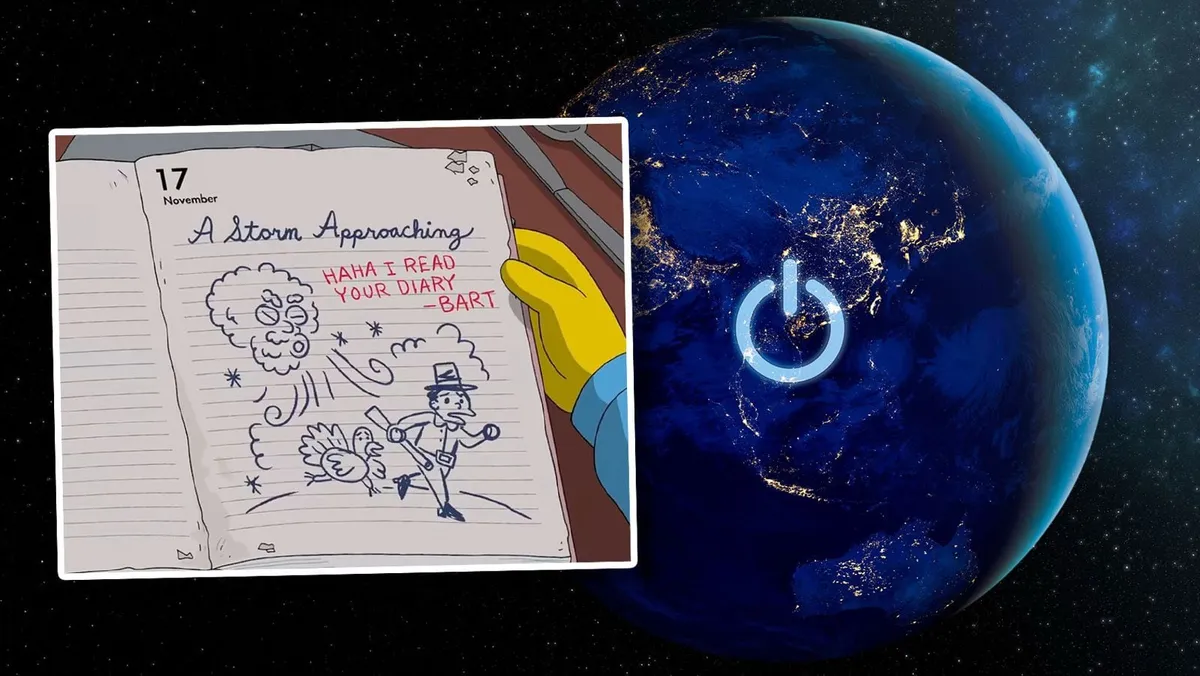
US authorities deny November 17 global blackout rumor tied to Simpsons episode
FEMA and FCC say the November 17 event is only an emergency alert system test, not a worldwide power collapse.
- Turkey records wettest October in 16 years as Hatay and Elazığ set rainfall records
- Turkey to Use Highway Sections for Drone Takeoffs and Landings
- Karaman FK team bus burns after evacuation near Karaman-Konya road
- NDC Demands NAIMOS Withdrawal After Manso Keniago Shooting Kills Seven
- Rock Bands Turn Southwest Flight Into Mid-Air Concert During FAA Ground Stop
This page was compiled with AI assistance from the outlets named above and passed an automated language check before publication. Montegre has no reporters of its own; the byline names the outlets the story was compiled from. Method and editorial standards