Kashmir Black Day marks 1947 Indian troop arrival and renewed calls for UN resolution
Pakistan's president and prime minister linked South Asian peace to a just settlement of the Kashmir dispute on Black Day.
KEY POINTS
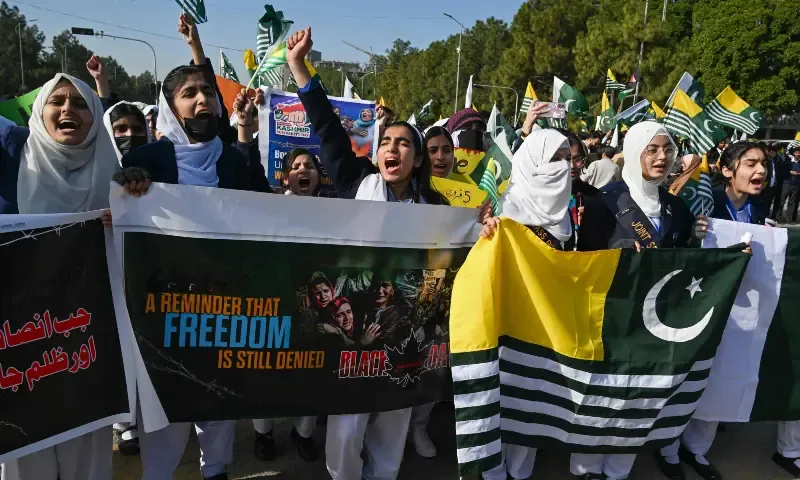
- October 27 is observed as Kashmir Black Day to mark the 1947 arrival of Indian forces in Srinagar
- Pakistan's president and prime minister reaffirmed support for Kashmiri self-determination and UN resolutions
- President Zardari said South Asian peace is linked to a just settlement of the Kashmir dispute
- Sources reported 900,000 Indian troops deployed in IIOJK and the August 2019 annexation to the Indian Union
- Zardari called for UN and international human rights organisations to address the situation in IIOJK
Kashmiris on both sides of the Line of Control and around the world observed October 27 as Black Day, marking the day in 1947 when Indian forces arrived in Srinagar and took control of Jammu and Kashmir. Pakistan Observer reported that the Hindu ruler, Maharaja Hari Singh, fled to New Delhi amid local protests and signed what it called an improper Instrument of Accession on October 27, 1947. The same source said India deployed 900,000 troops in Indian Illegally Occupied Jammu and Kashmir after 1990 and unilaterally annexed the territory to the Indian Union in August 2019.
Daily Pakistan reported that President Asif Ali Zardari and Prime Minister Muhammad Shehbaz Sharif issued separate messages reaffirming Pakistan's unwavering support for the people of IIOJK. Both leaders said lasting peace and stability in South Asia depended on a peaceful resolution of the dispute in line with UN Security Council resolutions and Kashmiri aspirations. They paid tribute to generations of Kashmiri sacrifices and called for continued international attention to fundamental rights and self-determination.
“We will continue to raise their voice at every appropriate international forum and to advocate the realisation of their legitimate aspirations.”
President Zardari urged the United Nations and international human rights organisations to recognise the human rights situation in IIOJK and support efforts to protect Kashmiri fundamental rights. He said Pakistan would continue to provide moral, diplomatic and political support and raise the Kashmiri voice at every appropriate international forum. He described Black Day as more than remembrance, calling it an opportunity to renew commitment to a peaceful and just settlement.
The president recalled that Indian forces landed in Srinagar on October 27, 1947, beginning what he called a prolonged and tragic chapter in the region's history. He said people in IIOJK had endured decades of conflict, restrictions, violence and denial of fundamental rights. He expressed concern over heightened militarisation, arrests and reported human rights violations, noting that conditions had deteriorated since August 2019.
Pakistan Observer traced the dispute to the 1947 partition of the Indian subcontinent and said Kashmiris expected the Muslim-majority region to join Pakistan. It said India took the case to the UN on January 1, 1948, after which resolutions called for a UN-supervised plebiscite to decide the state's future. The source said India initially accepted the resolutions but later delayed implementation and refused to hold the vote.
The same source said India declared Kashmir its integral part in the mid-1950s and treated it as a bilateral issue with Pakistan after the 1972 Simla Agreement. It added that India used force in 1990 to crush the Kashmiri movement for self-determination. Daily Pakistan noted that the special status of Jammu and Kashmir was revoked on August 5, 2019, through constitutional amendments under Prime Minister Narendra Modi's government.
3 more sources below
COMMENTS (0)
No comments yet. Be the first.
RELATED STORIES
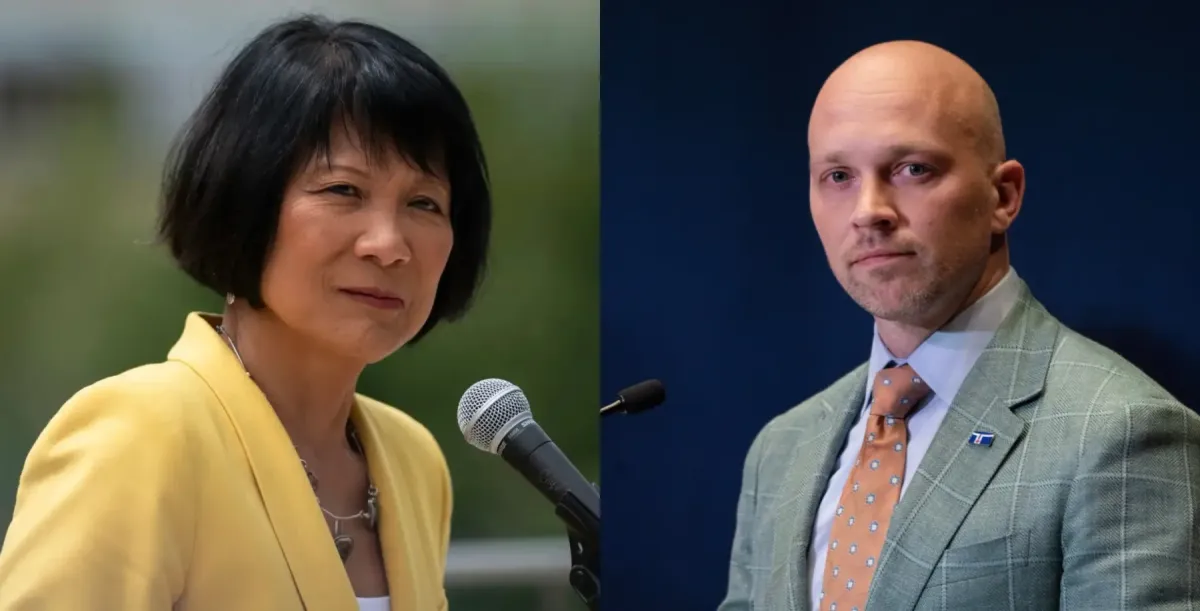
Chow and Bradford clash in final Toronto mayoral debate before Oct. 26 vote
The two leading candidates sparred over housing, taxes and water bills days before Toronto’s municipal election.
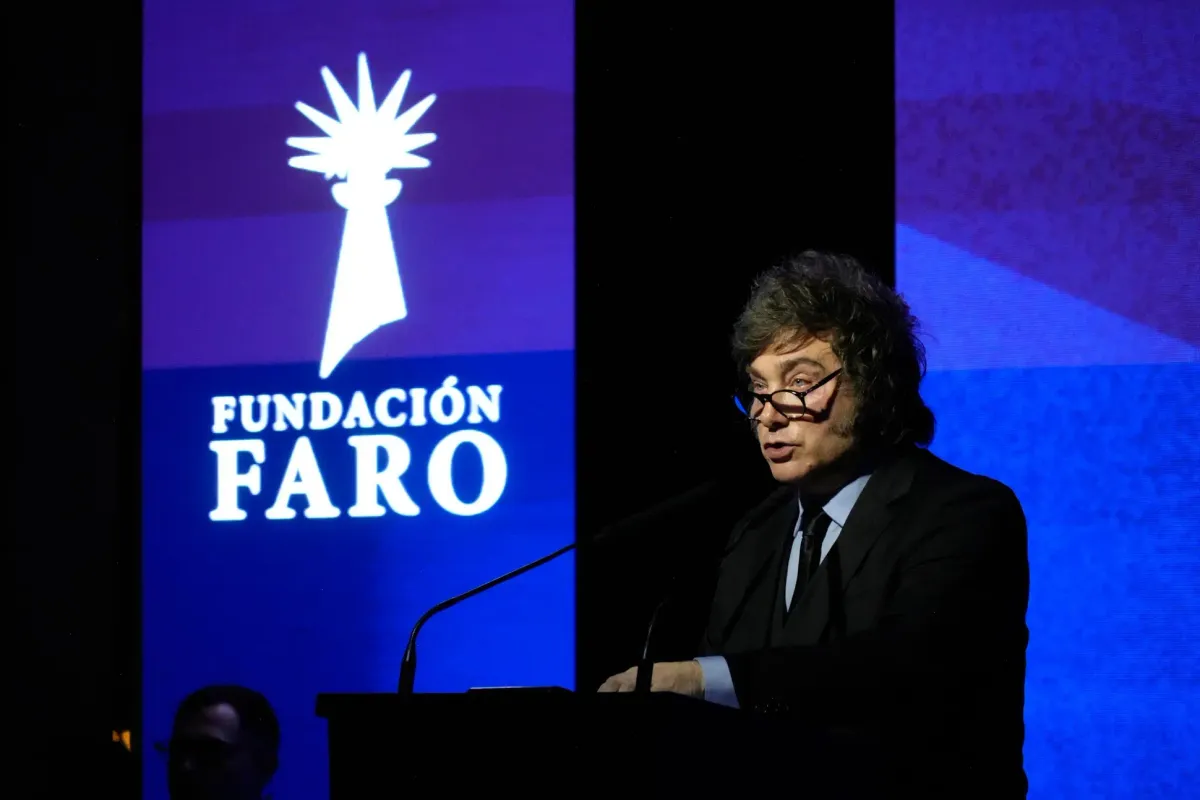
Milei celebrates $LIBRA acquittal and attacks journalists
President Javier Milei celebrated his acquittal in the $LIBRA case and called for journalists to be burned at the stake.
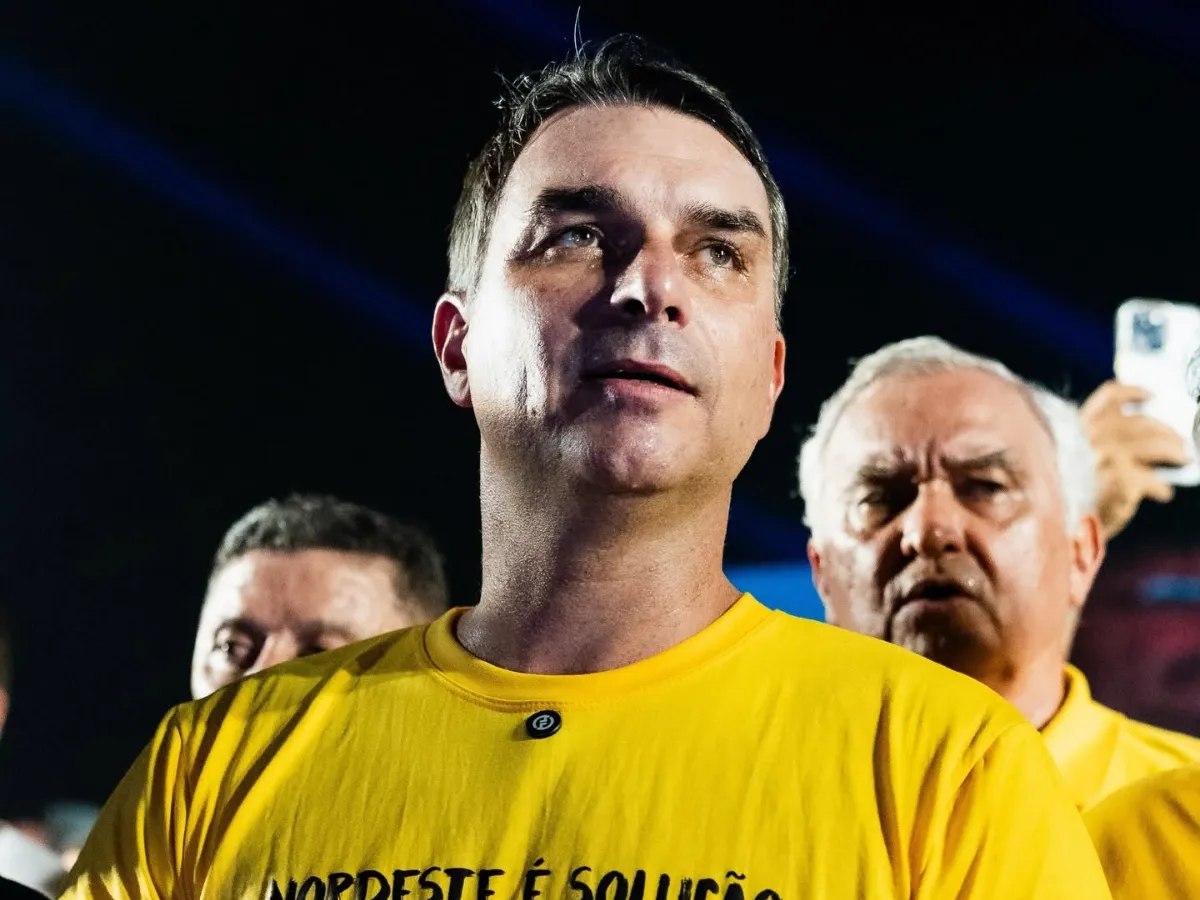
Brazil presidential runoff pits Lula against Bolsonaro's son, with Amazon fate at stake
The October 25 runoff will decide whether Brazil's Amazon policies shift toward agribusiness expansion or continue conservation efforts.
- Romanian intelligence identifies Russian sabotage network behind Carfil factory fire
- ECI Tells Supreme Court All SIR Orders Were Unanimous
- Bakırköy Municipality Operation: 68 Detained Over Tender and License Allegations
- NDC to Unveil Campaign Council and Financial Accounts on October 26
- Peru declares compensatory non-working days for Pope Leo XIV visit
This page was compiled with AI assistance from the outlets named above and passed an automated language check before publication. Montegre has no reporters of its own; the byline names the outlets the story was compiled from. Method and editorial standards