Government and Congress hold first meeting on fiscal rescue law in Barranquilla
Officials and lawmakers discussed VAT, taxes, and public spending, while opposition parties presented alternative proposals.
KEY POINTS
- Government and Congress met in Barranquilla on November 7, 2026, to discuss the Fiscal Rescue Law
- Democratic Center presented a 16-point proposal and opposes taxes on the family basket
- Party proposes merging ministries and partially selling shares in Ecopetrol and ISA
- Government seeks powers to restructure state entities and targets COP 71 trillion in tax evasion
- Opposition was not invited to the meeting and President de la Espriella did not attend
The national government and members of the economic commissions of the Senate and the Chamber of Representatives held their first meeting in Barranquilla on Saturday, November 7, 2026, to discuss the Fiscal Rescue Law. Executive officials and congressmen attended the session to socialize the initiative and listen to observations from different political blocs.
Although there was willingness to dialogue, differences over VAT, taxes, and public spending marked the discussion. Lawmakers particularly disagreed on how to address the country's fiscal situation and who would bear the cost of economic measures.
“Here it is not about having unsalvageable things, what must be saved is the country and also the citizens' pocket.”
The Democratic Center party presented a unified proposal with nearly 16 points aimed at modifying several components of the project. Senator Carlos Meisel stated that his group recognizes Colombia's fiscal difficulties but has concerns about new levies, VAT increases in certain sectors, and parafiscal charges affecting workers and citizens.
Meisel said the party does not intend to impose non-negotiable red lines, emphasizing that the goal is to save the country and citizens' wallets. The party also opposes any tax on the family basket and proposes state reorganization through the merger of ministries and entities.
Other proposals from the party led by Alvaro Uribe include the partial sale of shares in Ecopetrol and ISA, sanctions for non-compliance with state obligations, and benefits for taxpayers who regularize their tax burdens. Senator Gustavo Moreno said the government is willing to reconcile and that the text approved by Congress will differ from the one originally introduced.
The government seeks extraordinary powers to suppress, merge, and create ministries and state entities through the fiscal adjustment law project. The administration also aims to increase the taxable base and address COP 71 trillion in tax evasion.
The opposition was not invited to the official meeting and is internally discussing the proposal. President Abelardo de la Espriella was expected to attend the event but did not appear.
2 more sources below
TOPICS
COMMENTS (0)
No comments yet. Be the first.
RELATED STORIES
Ten murders reported across Tamil Nadu during Deepavali celebrations
Ten unconnected killings, including a police officer, were recorded across Tamil Nadu during the Deepavali holiday.
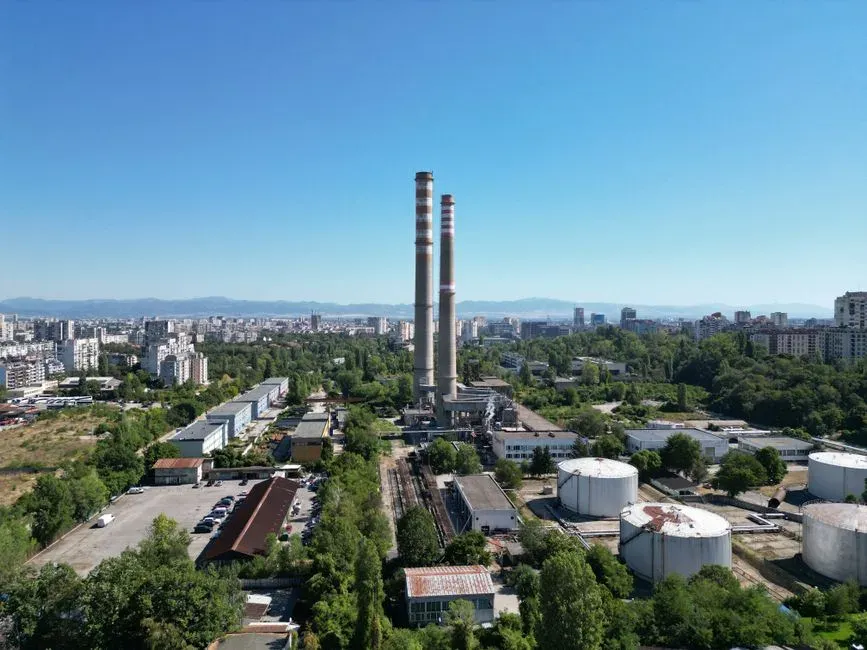
Romania Imports Cover Nearly Half of Demand After Cernavoda Reactor Shutdown
Cernavoda Unit 1 was disconnected from the national grid following a conventional-side fault, and its technical director will be replaced on December 1.
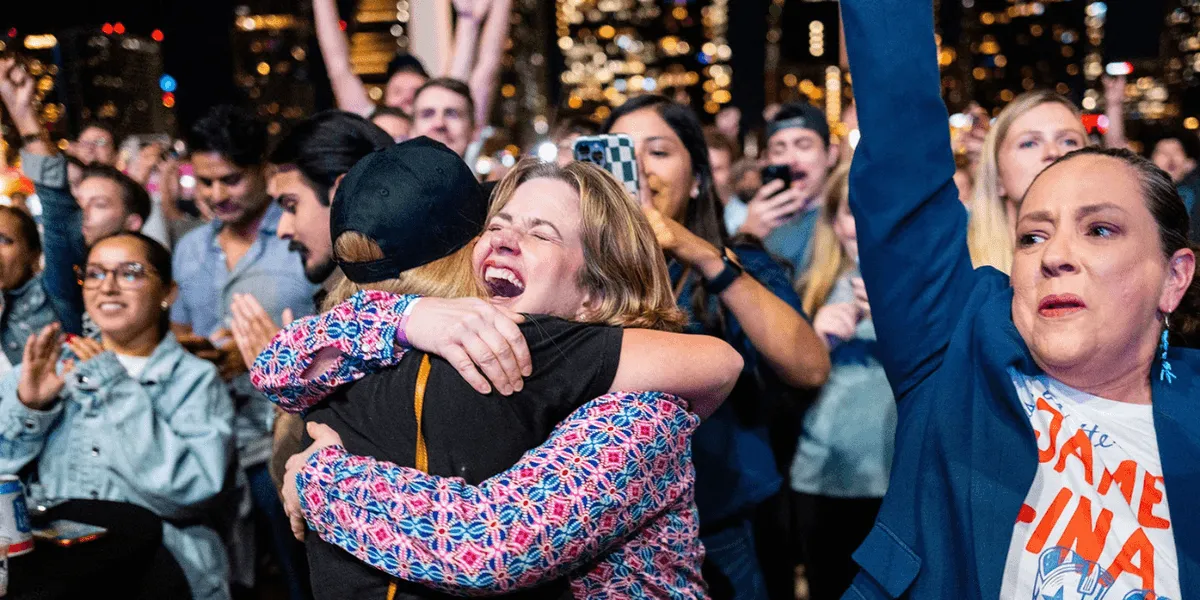
Republican anti-trans ad spending failed to sway voters, officials say
Republican and Democratic lawmakers agree that the GOP’s $400 million anti-trans advertising campaign did not motivate voters in the midterms.
- Turkey revokes electronic money licenses for two firms
- Livorno prosecutors seek closure of Moby Prince disaster probe after 35 years
- Hakeem Jeffries poised to become first Black U.S. House speaker amid progressive opposition over Israel ties
- Germany Marks 88th Anniversary of Kristallnacht Amid Rising Antisemitism
- Prosecutor Challenges Forensic Report on Kozinoğlu's 2011 Prison Death
This page was compiled with AI assistance from the outlets named above and passed an automated language check before publication. Montegre has no reporters of its own; the byline names the outlets the story was compiled from. Method and editorial standards