Peru Congress Committee Recommends Rejecting Executive Legislative Powers Request
The Constitution Committee, led by Juntos por el Perú, proposes archiving the government's request for 120 days of legislative authority across eight policy areas.
KEY POINTS
- Constitution Committee recommends archiving Executive's request for 120 days of legislative powers
- Request covered eight areas including citizen security, penal matters, and productive development
- Draft opinion cites failure to meet Article 104 constitutional requirements
- Parliamentarians divided: some want narrower delegation, others support full rejection
- Debate continues Wednesday with vote expected on each point
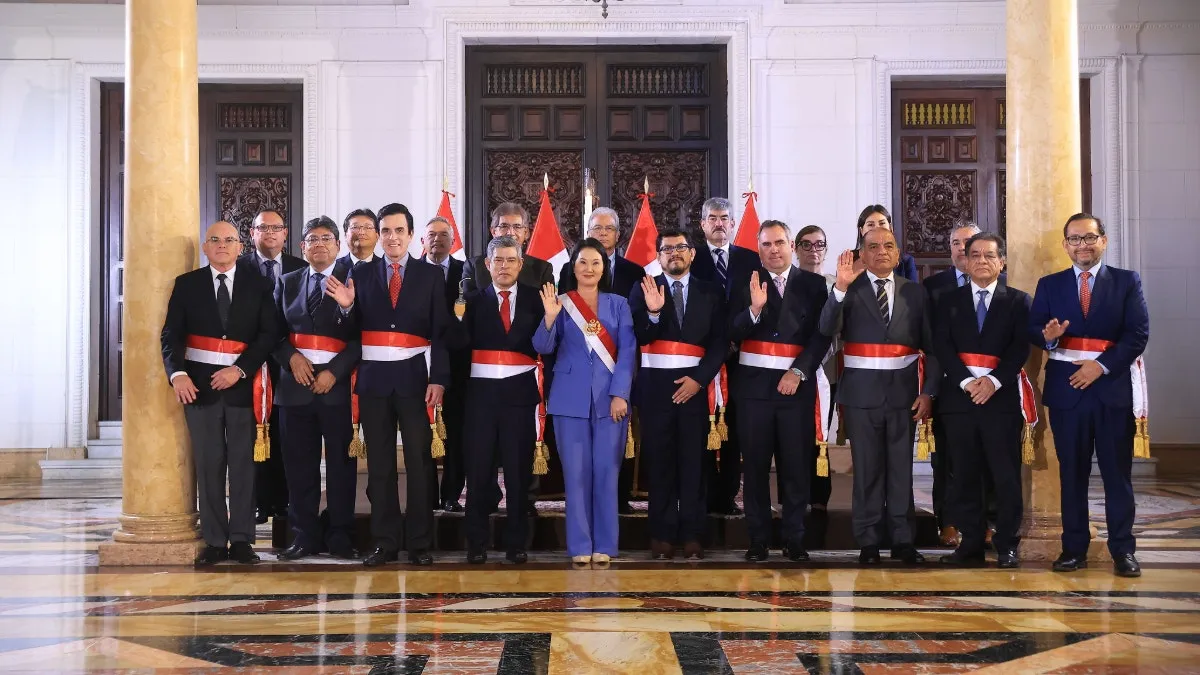
The Constitution Committee of Peru's Chamber of Deputies has recommended rejecting and archiving the Executive's request for legislative powers. The request sought authority for 120 calendar days across eight areas including citizen security, penal matters, and productive development. Committee President Geannina Avendaño (Juntos por el Perú) confirmed the debate will continue Wednesday at 9:00 AM.
The draft opinion argues that delegation of legislative powers is not an automatic right of the Executive nor an obligation of the Legislature. It states the request fails to meet constitutional requirements under Article 104, noting several matters were proposed broadly without demonstrating necessity, opportunity, and urgency. The committee gathered opinions from 12 ordinary commissions and 77 specialists and institutions.
“The right to propose a delegation initiative does not equate to an automatic right that the delegation be granted.”
Parliamentary positions remain divided. Francisco Calisto Giampietri (Renovación Popular) called archiving the entire request "irresponsible" and urged narrowing the 66 proposed measures instead, citing citizen security needs. Svieta Fernández (Juntos por el Perú) explained her bloc does not support the request as presented but remains open to discussing specific topics. Karina Beteta criticized the draft opinion and demanded a broader debate.
Deputy Frank Krklec (Renovación Popular) proposed reformulating the opinion to grant certain powers to combat crime, comparing the situation to past anti-terrorism efforts. Arturo Alegría (Fuerza Popular) also participated in the debate. The committee will vote on each point before potentially advancing to a second phase.
2 more sources below
TOPICS
COMMENTS (0)
No comments yet. Be the first.
RELATED STORIES

Tarcísio and Haddad Clash Over Fiscal Policy, Crime, and Education in São Paulo Debate
Incumbent governor and former finance minister trade accusations on state finances, organized crime links, and literacy metrics in final televised debate before October 4 election.
Mexico Senate Approves Ban on Dual Nationals for Presidency, Governorships
The reform passed 86-42 and now moves to state legislatures; critics say it restricts political rights of dual citizens.
California Bans Shock Gloves, Expands Oversight of Federal Immigration Agents
Gov. Newsom signed a package of laws targeting federal deportation tactics, including a ban on electric-shock gloves and new civil liability for officers.
- Trump launches AI-powered America.gov portal for federal services
- MLB, White House discuss Grand Teton baseball game
- Mexico PAN vows to vote against 'Anti-Meme Law' over censorship fears
- B.C. NDP's Snap Election Gamble Faces Early Test as Race Tightens
- Argentina Congress splits on household debt plans as opposition pushes emergency bill
This page was compiled with AI assistance from the outlets named above and passed an automated language check before publication. Montegre has no reporters of its own; the byline names the outlets the story was compiled from. Method and editorial standards