Nigeria defends $21.7 billion external borrowing plan as investment
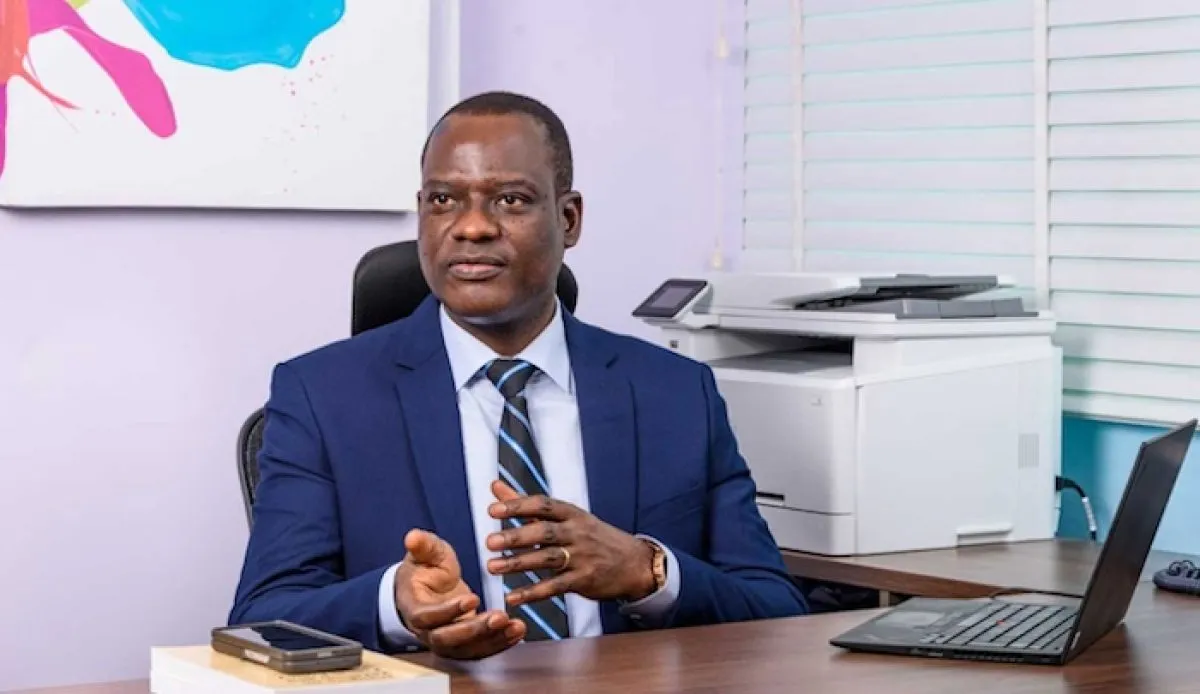
Finance Minister Taiwo Oyedele says the proposed external financing will fund infrastructure and productive projects rather than add to the debt burden.
KEY POINTS
- Nigeria proposes $21.7 billion external borrowing programme
- About $10.6 billion is earmarked for transportation infrastructure
- About $7.9 billion would come from multilateral and bilateral development partners
- Government aims to reduce inflation to single digits by end of 2027
Nigeria's government has defended its proposed $21.7 billion external borrowing programme, describing it as a long-term investment in infrastructure, human capital and economic growth rather than an additional debt burden. Finance Minister and Coordinating Minister of the Economy Taiwo Oyedele made the remarks while briefing State House correspondents after the Federal Executive Council meeting chaired by President Bola Tinubu at the Presidential Villa in Abuja.
Oyedele said the five-year project financing plan was designed to create productive assets whose long-term economic value would outweigh the cost of borrowing. He stressed that the proposal had been submitted to the National Assembly and did not mean the entire amount had already been borrowed or would necessarily be drawn down in full.
“This is investment, not borrowing.”
The plan covers critical investments in transportation, defence and security, health, agriculture, energy, digital infrastructure, small businesses, social protection, environmental protection and education. About $10.6 billion is earmarked for transportation infrastructure, including the Sokoto-Badagry and Lagos-Calabar coastal highways and the Kano-Kaduna Metro Rail project.
Approximately $4.8 billion of the proposed financing is allocated to projects involving state governments, the Federal Capital Territory and other subnational entities, agencies and development finance institutions. About $7.9 billion would come from multilateral and bilateral development partners, including $5 billion from the World Bank at concessional rates averaging 2.1 percent.
The indicative average interest rate on the commercial component is 7.8 percent, which Oyedele said is below the rate on Nigeria's November 2025 Eurobond. The government is acting as the coordinating authority for external financing covering federal, state and other public-sector projects.
Oyedele also said the government was working towards reducing inflation to a single-digit rate by the end of 2027 or sooner. He expressed confidence that the administration's economic reforms were beginning to yield tangible outcomes.
3 more sources below
COMMENTS (0)
No comments yet. Be the first.
RELATED STORIES

Police Conduct Security Checks in Ankara for Turkic States Summit
Police teams carried out public order and traffic checks in Ankara as part of security measures for the 13th Summit of Heads of State and Government of the Organization of Turkic States.

Interior Minister warns of heavy thunderstorms across Turkey on Thursday
Interior Minister Mustafa Çiftçi issued a warning ahead of heavy and thunderous rain expected in various regions of Turkey on Thursday, October 29.
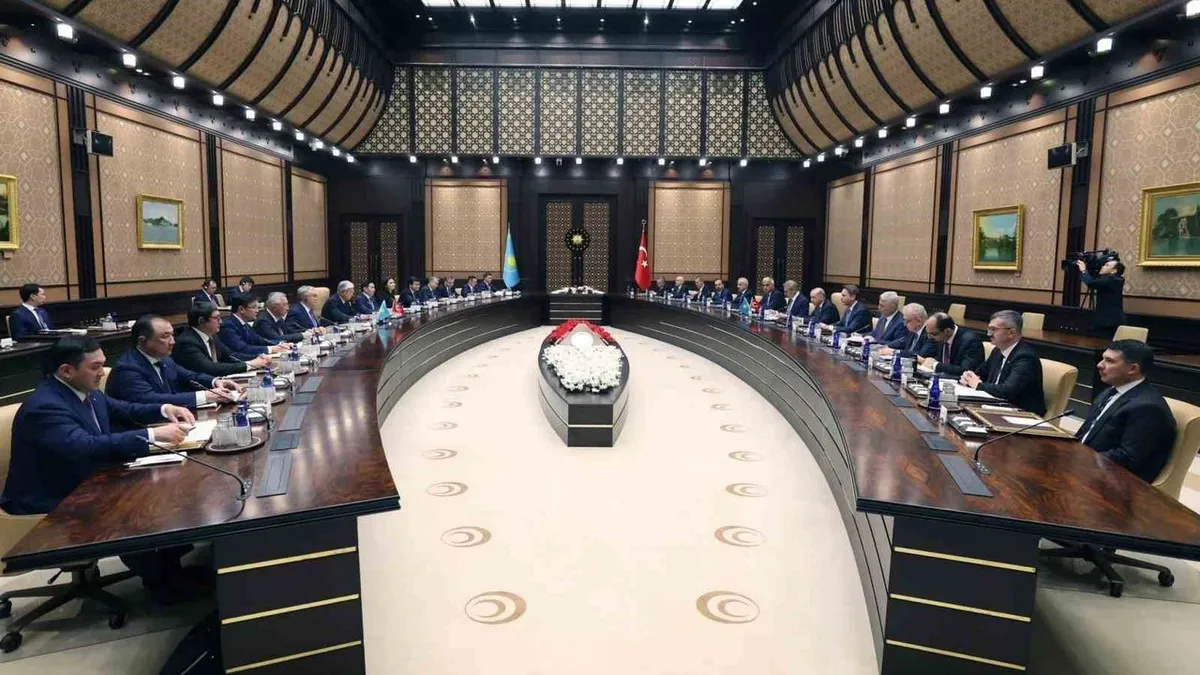
Turkish President Erdoğan Welcomes Kazakh President Tokayev with Ceremony
Recep Tayyip Erdoğan hosted Kazakh President Qasym-Jomart Tokayev at the Presidential Complex for official talks.
- EU and Canada to seal future alliance against Trump pressure at Montreal summit
- Brazil Police Indict Master Bank Founder and BRB Ex-President Over Credit Portfolio Fraud
- Fuel costs force Villa Vie Odyssey cruise to end in Cambodia, stranding hundreds
- Life-sentence inmate escapes Tennessee prison in stolen truck
- Lisbon council secures municipal land for affordable housing in Alta de Lisboa
This page was compiled with AI assistance from the outlets named above and passed an automated language check before publication. Montegre has no reporters of its own; the byline names the outlets the story was compiled from. Method and editorial standards