Wildfires Threaten US Drinking Water Supplies for Over a Decade
Studies show wildfire contamination can pollute drinking water sources for more than ten years.
KEY POINTS
- Wildfire contamination can remain in drinking water supplies for more than a decade
- 68,179 wildfires burned over 9.5 million acres in the US in 2026
- Las Vegas, New Mexico, residents lacked water for months after the 2022 Hermit’s Peak/Calf Canyon fire
- Climate change and El Niño intensify drought and increase wildfire frequency
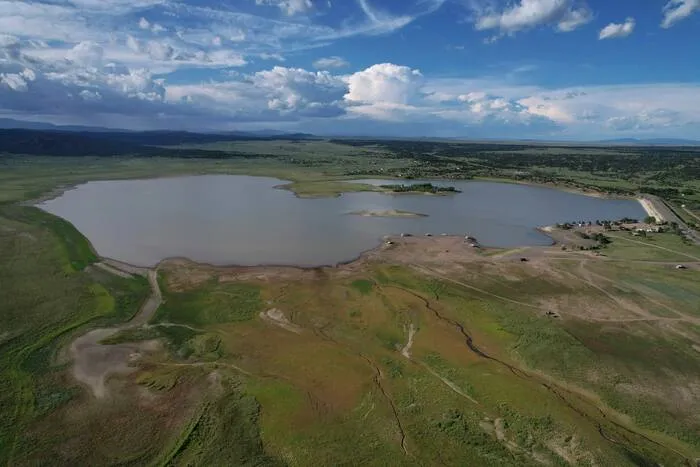
Wildfires leave behind charred trees and scorched vegetation that damage streams and rivers supplying drinking water across the United States. New studies indicate that contamination from these fires can remain in water supplies for more than a decade.
Climate change and stronger El Niño weather events intensify drought conditions, leading to larger and more frequent wildfires. So far in 2026, 68,179 blazes have burned more than 9.5 million acres, or about 14,062 square miles.
“It’s hard to run a restaurant without good water.”
Rain carries ash and organic matter into streams that feed water treatment plants for towns and cities. Communities are working to adapt, but the process can take years and require temporary solutions.
Residents of Las Vegas, New Mexico, went without water for months after the Hermit’s Peak/Calf Canyon wildfire contaminated the Gallinas River in 2022. For four years, officials have provided bottled water and shipped tanks from nearby towns while raising funds for a new treatment plant.
Karen Pettine, owner of the Hillcrest Restaurant for 50 years, said the crisis forced her business to close, sometimes for a week at a time. She described receiving semi-truckloads of bottled water and using paper plates.
Las Vegas Mayor David Romero said climate change has made once-reliable conditions less predictable. He called the situation scary and something everyone will encounter.
Amanda Hohner, an assistant professor at Montana State University specializing in wildfires and water quality, said severe wildfires make watersheds vulnerable. Watersheds are areas that capture, filter, and regulate water flow.
3 more sources below
COMMENTS (0)
No comments yet. Be the first.
RELATED STORIES
Spain Rescues More Than 1,500 Migrants in Record Atlantic Route Day
Rescue teams brought over 1,500 people to the Canary Islands on Saturday, the highest daily total in 32 years on the Atlantic migration route.

Sánchez promises childcare benefit and higher taxes on empty homes in election campaign
The Spanish prime minister unveiled PSOE election pledges in Alcorcón, including paid parental leave and public housing targets.
Miguel Angel Felix Gallardo Dies at 80 in Guadalajara Hospital
The founder of the Guadalajara Cartel died of multiple organ failure after emergency admission on Friday.
- Prince Harry Visits Ukraine, Praises Wounded Veterans as Role Models
- MSF warns Ebola response in Congo remains out of control
- Pope Leo XIV Holds Historic Mass in Peru's Amazon Region
- Ghana doctors warn youth about social media mental health risks at first public lecture
- Pope Leon XIV condemns killings of indigenous leaders in Peru's Amazon
This page was compiled with AI assistance from the outlets named above and passed an automated language check before publication. Montegre has no reporters of its own; the byline names the outlets the story was compiled from. Method and editorial standards