Romanian intelligence identifies Russian sabotage network behind Carfil factory fire
Romania's SRI says a Russia-coordinated sabotage network targeted the Carfil arms factory in Brașov and other regional sites.
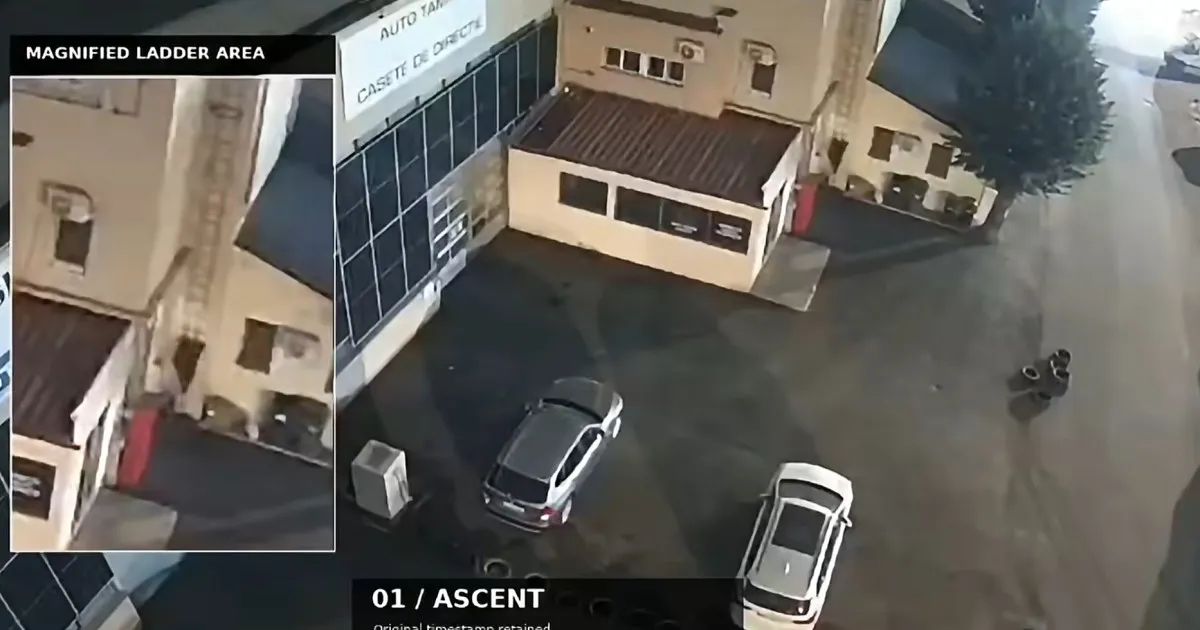
KEY POINTS
- SRI identified a Russia-coordinated sabotage network on 26 October 2026
- The network was linked to a 14 September 2026 fire at the Carfil industrial platform in Brașov
- Several citizens from former Soviet states residing in EU countries are under judicial procedures
- Russian coordinators targeted arms production and other military and industrial facilities across the region
- Recruitment occurred via social media, starting with harmless tasks and escalating to destruction or arson
Romania's intelligence service, SRI, announced on Monday, 26 October 2026, that it had identified a sabotage network coordinated from Russia. The network was involved in a fire on 14 September 2026 at the Carfil industrial platform in Brașov, near CARFIL SA, a subsidiary of CN ROMARM.
SRI said it worked with domestic and foreign partners to confirm the involvement of several citizens from former Soviet states who reside in European Union countries. Judicial procedures are underway in Romania and in cooperation with authorities in several European states.
“Recruitment usually happens through social media, and people initially receive money for apparently harmless tasks, such as observing or photographing objectives.”
According to SRI, the network's missions were not limited to Romania. Russian coordinators assigned an extended list of targets across the region, including state and private arms production facilities and other military and industrial sites of interest.
The case is part of a broader Russian sabotage campaign in Europe. Investigations this year also uncovered other attempts targeting objectives in Romania, including international military facilities and sites used to train Ukrainian armed forces.
SRI said such actions aim at intimidation, affecting defence capabilities, and weakening the contribution of targeted states to European and regional security.
The service explained that recruitment usually happens through social media. People are initially paid for seemingly harmless tasks such as observing or photographing objectives, before tasks become more serious and can lead to destruction, arson, or even assassination. Those who refuse may face pressure and blackmail.
Members of the network frequently use transport, accommodation, and communication means to hide their identities.
2 more sources below
COMMENTS (0)
No comments yet. Be the first.
RELATED STORIES
Turkey Sweeps Illegal Betting Network: 150 Detained, 23 Firms Under Trusteeship
Coordinated raids across 18 provinces target illegal betting sites and criminal organizations, with 23 companies placed under trusteeship.
Kashmir Black Day marks 1947 Indian troop arrival and renewed calls for UN resolution
Pakistan's president and prime minister linked South Asian peace to a just settlement of the Kashmir dispute on Black Day.

Milei celebrates $LIBRA acquittal and attacks journalists
President Javier Milei celebrated his acquittal in the $LIBRA case and called for journalists to be burned at the stake.
- Brazil presidential runoff pits Lula against Bolsonaro's son, with Amazon fate at stake
- Bakırköy Municipality Operation: 68 Detained Over Tender and License Allegations
- NDC to Unveil Campaign Council and Financial Accounts on October 26
- Peru declares compensatory non-working days for Pope Leo XIV visit
- Olympiacos files dual complaints against Panathinaikos owner Giannakopoulos
This page was compiled with AI assistance from the outlets named above and passed an automated language check before publication. Montegre has no reporters of its own; the byline names the outlets the story was compiled from. Method and editorial standards