Supreme Court President Plans to Close Fake News Inquiry After Prosecutor Request
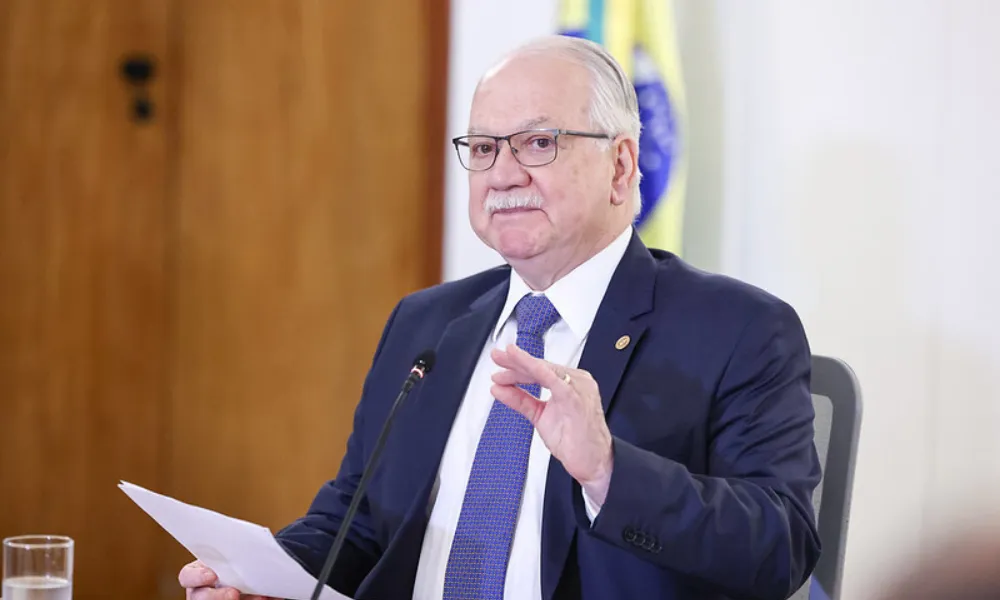
Edson Fachin expects to end the Supreme Court's fake news investigation once the prosecutor general files a closure request next week.
KEY POINTS
- Fachin plans to close the fake news inquiry after the prosecutor general files a closure request next week
- The investigation opened in 2019 and was used by Justice Alexandre de Moraes to target allies of Jair Bolsonaro
- The main inquiry and offshoots yielded only eight indictments tied to the original motivation
- The broader set of proceedings includes 220 closures, 11 cases sent to lower instances, and 2,015 indictments related to the January 8, 2023 attacks
- The original inquiry, number 4,781, comprises about 12,000 pages of records
Supreme Court President Edson Fachin plans to close the fake news investigation immediately after receiving a formal request from the prosecutor general's office, according to Jornal de Brasília. The prosecutor general is expected to file the request next week, clearing the way for the court to end one of the most controversial chapters in its recent history.
The investigation opened in 2019 and became one of the main instruments of power for the court and especially for Justice Alexandre de Moraes. Moraes used the procedure to target allies of former President Jair Bolsonaro and to accumulate influence inside and outside the judiciary. Fachin took over the case on September 9 with the stated goal of finalizing the procedure and reviewing the accumulated material individually.
“Fachin expects the immediate closure of the fake news inquiry as soon as he receives a formal request from the prosecutor general's office.”
Data obtained by the reporting team shows that the main inquiry and its offshoots produced only eight indictments linked to the original motivation. Those cases involved insult, slander, defamation, or threats against Supreme Court justices. Within the broader universe of proceedings started by Moraes, including some opened on his own initiative without a request from the public ministry, there were 220 closures and 11 cases sent to lower judicial instances.
The figures also cover proceedings related to the January 8, 2023 coup attempts, which were connected to the fake news inquiry through procedural links. That broader set totals 2,015 indictments against instigators, financiers, executors, and people who blocked federal highways after the 2022 election results.
The original inquiry, numbered 4,781, alone comprises about 12,000 pages of records. Much of the material consists of social media screenshots, news reports, testimonies, and breaches of secrecy including banking and telematic data. Fachin's first task was to digitize all the material, which Moraes had kept on paper.
Lack of transparency marked the investigation. A May 2020 report showed that the full case files were accessible only to the federal police involved and the rapporteur, while prosecutors, lawyers, and even justices had limited access.
7 more sources below
COMMENTS (0)
No comments yet. Be the first.
RELATED STORIES
Civil groups demand national law to cap public pay above ceiling
Seven organizations ask Brazil's new government and Congress to make fighting supersalaries an immediate priority.
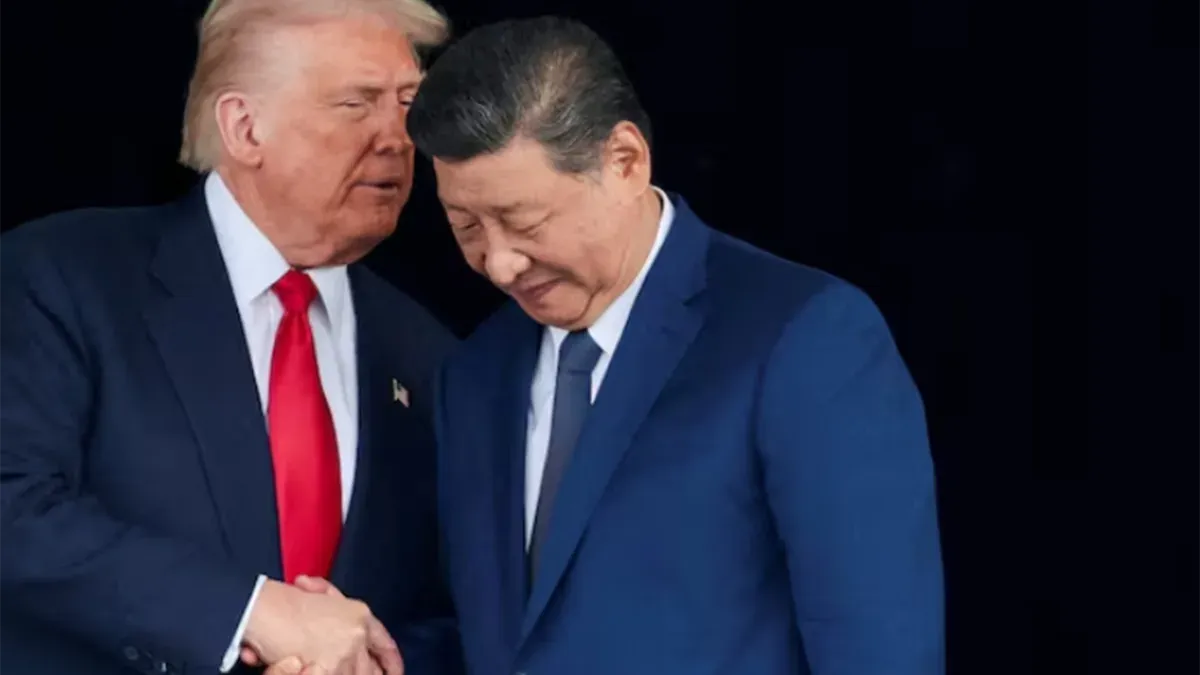
Trump seeks China's help to end Iran war ahead of Xi meeting
US Treasury Secretary reportedly asked Beijing to use its influence on Tehran, with Putin also expected at the November 18 summit.

CHP Pendik district chairman seriously injured in Istanbul traffic crash
Abidin Ekren was rescued from his overturned car and taken to Pendik Training and Research Hospital.
- Vox leader Abascal appears on Spanish TV show La Revuelta amid audience controversy
- Vocational Graduates to Receive 50 Percent Pocket Money Increase, Minister Says
- NASA Opens Astronaut Applications for Moon and Mars Missions, Deadline Dec. 3
- Democrats win House and Senate, flip seats in Kansas, South Carolina and Texas
- Pope Leo XIV meets religious leaders in Buenos Aires
This page was compiled with AI assistance from the outlets named above and passed an automated language check before publication. Montegre has no reporters of its own; the byline names the outlets the story was compiled from. Method and editorial standards