Tokyo Court Rules Human Voice Protected Under Publicity Rights in AI Cloning Case
The Tokyo District Court recognized voice actor Kenjiro Tsuda's rights over an AI-generated replica used on TikTok but dismissed a takedown request as the content was already removed.
KEY POINTS
- Tokyo District Court rules human voice protected under publicity rights in Japan's first AI voice-cloning lawsuit.
- Voice actor Kenjiro Tsuda sued over an anonymous TikTok account using an AI replica of his voice for over 180 videos.
- The account gained 200,000+ followers and allegedly earned up to $120,000 monthly before content was removed.
- Court dismissed takedown request as the account had already deleted the videos.
- Japan Actors Union campaigns against unauthorized AI use of performers' voices and likenesses.
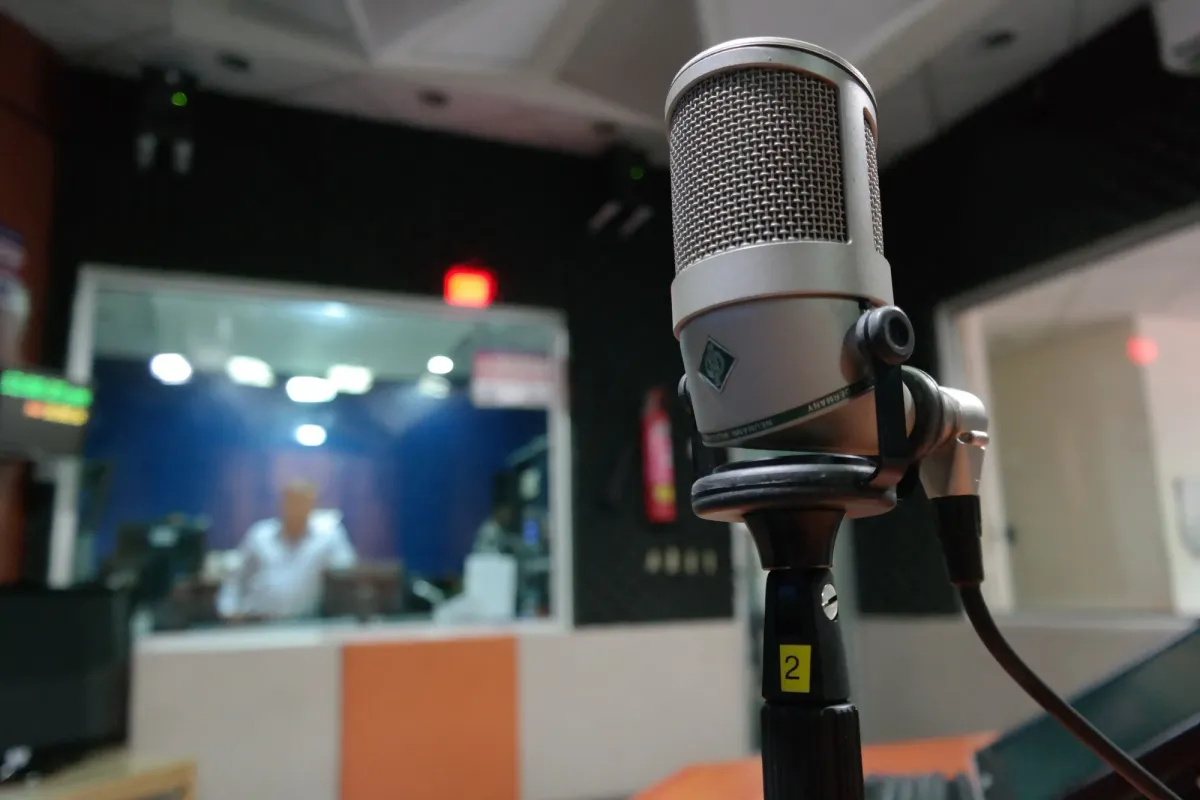
The Tokyo District Court ruled Wednesday that a person's voice can receive legal protection under publicity rights when used without authorization to exploit its commercial value. Presiding Judge Aya Takahashi stated the human voice symbolizes individual personality similarly to a portrait.
Voice actor Kenjiro Tsuda, known for roles in Jujutsu Kaisen and Yu-Gi-Oh!, sued TikTok over an anonymous account that allegedly published over 180 videos using an AI clone of his baritone voice. The account, which used imagery linked to his character Kento Nanami, amassed over 200,000 followers since July 2024.
“The human voice symbolizes individual personality, just like a person's portrait.”
Tsuda claimed the account earned between 500,000 and 750,000 yen monthly (approx. $80,000–$120,000) by narrating urban legends and occult content with his synthetic voice. The court found the unauthorized use aimed at exploiting his commercial appeal constituted an infringement.
However, the court dismissed Tsuda's request for the videos' removal because the anonymous account had already deleted the content. The ruling is considered Japan's first lawsuit protecting vocal identity against AI-generated copies.
The Japan Actors Union has launched a campaign opposing the unauthorized use of performers' voices in generative AI, warning widespread cloning could threaten the industry's future. Performers globally are raising similar concerns over AI systems replicating voices without permission.
2 more sources below
COMMENTS (0)
No comments yet. Be the first.
RELATED STORIES

US banking and NSA networks fail amid widening infrastructure crisis
Bank customers faced login failures while the NSA's classified internal network went offline, with no confirmed cyberattack found.

Xiaomi 18 Pro and Pro Max Launch Globally with Rear Displays and 200MP Cameras
Xiaomi unveils its 18 Pro series internationally, featuring secondary rear screens and dual 200MP Leica cameras.
Football Summit Opens in Istanbul with Broadcast Rights and Tax Demands
Club representatives gathered at the Football Summit to discuss league management, financial sustainability, broadcasting, and club taxation.
- Woman in Red Files Police Report Over Autism Family Restaurant Incident
- Turkey Launches ITA Programme at COP31 to Cut Industrial Emissions
- CHP leader visits Kocaeli amid low turnout and press clashes
- Aston Martin to Enter Dakar 2027 with Alonso, Loeb and Moraes
- MS Dhoni Retires from IPL, Becomes CSK Mentor Ahead of 2027 Season
This page was compiled with AI assistance from the outlets named above and passed an automated language check before publication. Montegre has no reporters of its own; the byline names the outlets the story was compiled from. Method and editorial standards