Trump Approved Nvidia Chip Crackdown Three Times, Lutnick Blocked Implementation
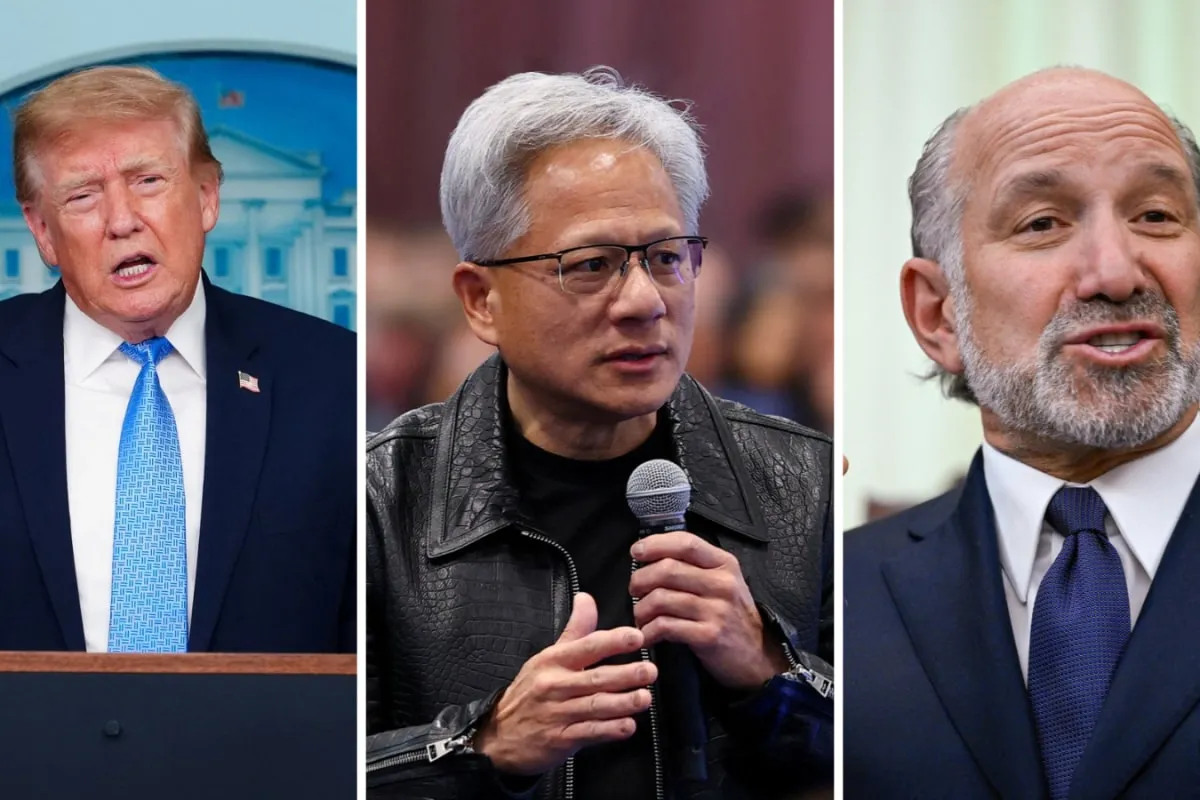
US President Donald Trump authorized action against suspected Nvidia chip diversions to China on three occasions this year, but Commerce Secretary Howard Lutnick has repeatedly delayed implementation.
KEY POINTS
- Trump authorized crackdown measures against suspected Nvidia chip diversions to China three times this year
- The latest approval occurred on November 5 after consultation with Elon Musk
- Commerce Secretary Howard Lutnick has repeatedly delayed or blocked implementation
- A Situation Room meeting last Thursday included Bessent, Hegseth, Greer and Rubio
- The White House and Lutnick's spokesperson did not respond to comment requests
President Donald Trump has authorized measures three times this year to crack down on companies suspected of diverting advanced Nvidia artificial intelligence chips to China. The most recent approval came last Thursday, November 5, after Trump consulted billionaire entrepreneur Elon Musk.
Despite the president's repeated clearance, the proposed export restrictions have not been implemented. Commerce Secretary Howard Lutnick has reportedly blocked or slowed the plans, standing in the way of putting the measures into effect.
“Lutnick appeared to agree with the need for action but said he would first need to consult Trump.”
The standoff has exposed disagreements within the Trump administration over how aggressively Washington should restrict China's access to advanced American semiconductor technology. Lutnick oversees the Commerce Department, which is responsible for implementing export controls.
The dispute came to a head during a meeting in the White House Situation Room last Thursday. Lutnick met with Treasury Secretary Scott Bessent, Defense Secretary Pete Hegseth, US Trade Representative Jamieson Greer and Secretary of State Marco Rubio.
During the meeting, Bessent reportedly challenged Lutnick over resistance within the Commerce Department to implementing export controls. Lutnick appeared to agree that action was needed but said he would first need to consult Trump.
The White House and a spokesperson for Lutnick did not immediately respond to requests for comment. The disagreement highlights a wider debate within the US government over preventing sensitive American technology from reaching China.
3 more sources below
COMMENTS (0)
No comments yet. Be the first.
RELATED STORIES

Chile Freezes Fuel Prices Until February to End Trucker Strike
The government withdraws its fuel bill and promises a price freeze through early February as negotiations with transporters continue.

Spain equates single-parent families with large families in new decree
The government will approve a decree granting single-parent households the same benefits as large families.

Argentina government pushes electoral reform in Senate ahead of November 30 deadline
La Libertad Avanza seeks Senate approval of electoral changes, including PASO suspension, within two weeks.
- Education Minister Tekin Seeks Handshakes, Opposition Refuses During Budget Talks
- Defendants Seek Release in Istanbul Municipality Corruption Trial
- Turkey Extradites Crime Syndicate Leader From Greece
- Scott Colom becomes Mississippi's first Black senator elected by voters in 150 years
- Lima mayor candidate threatens JNE president with prison
This page was compiled with AI assistance from the outlets named above and passed an automated language check before publication. Montegre has no reporters of its own; the byline names the outlets the story was compiled from. Method and editorial standards