False Nuclear Alerts Triggered by Hacked Warning Apps in Ukraine and Russia
Hackers manipulated civil-defence apps in Kyiv and Moscow to send fake warnings of nuclear, chemical and street-fighting threats.
KEY POINTS
- False radiation, chemical and street-fighting warnings reached users of Ukraine’s Air Alert app
- Russia’s Emergencies Ministry reported a cyberattack on its own warning app early on Monday
- Ukraine blamed Russia; investigators have not established who carried out the attacks
- Authorities in both countries said wider public-warning systems remained operational
- Screenshots showed fake warnings involving Russia’s Oreshnik missile and Ukraine’s P1-Sun drone
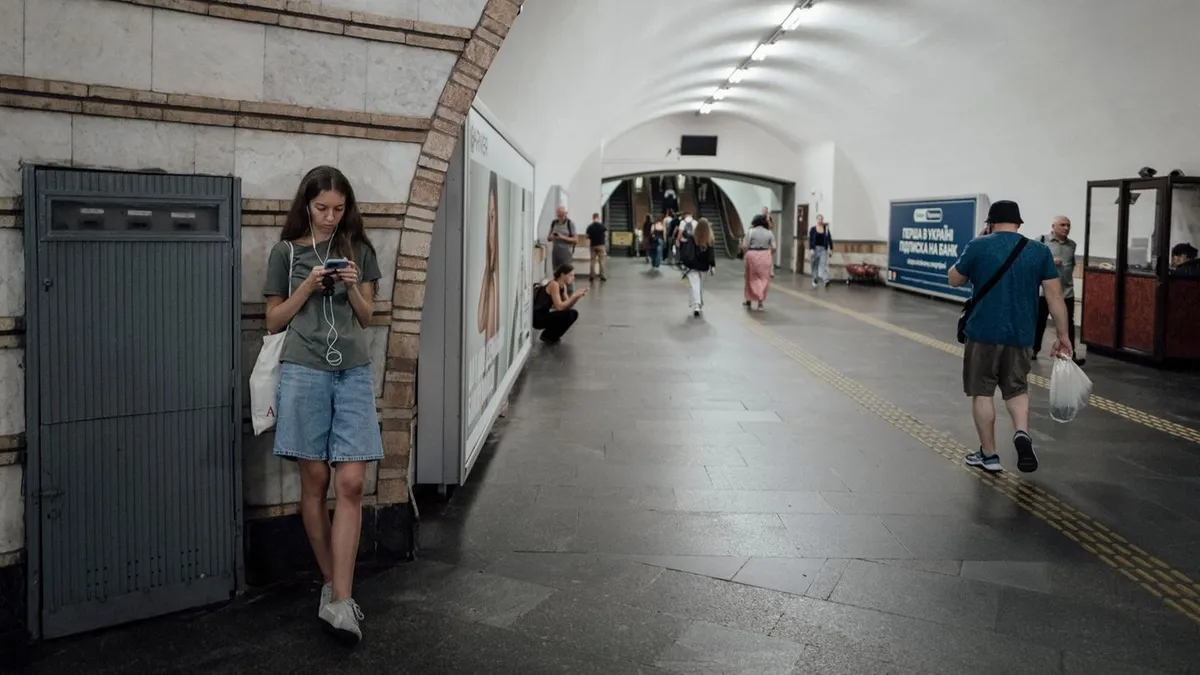
People in Kyiv and other parts of Ukraine received false warnings through the Air Alert smartphone application, which is used to alert civilians about attacks. The messages falsely warned of radiation danger, chemical weapons strikes, street fighting and a Russian Oreshnik missile deployment.
Ukraine’s Air Force said on Telegram late on Sunday evening that the app may have been compromised by hostile forces and stated there was no radiation threat. Screenshots of the hacked app showed warnings of a nuclear attack using Russia’s Oreshnik medium-range missile.
Early on Monday, Russia’s Emergencies Ministry reported that its own mobile app had been hit by a cyberattack, allowing false information to reach users. Russian media published screenshots from various regions warning of nuclear attacks involving Ukraine’s P1-Sun drone made by SkyFall, a scenario described as technically difficult to imagine.
Officials in both countries said their wider public-warning systems remained operational. Ukraine’s Digital Transformation Ministry said air-raid sirens and other warning channels were functioning, while Kyiv’s separate Kyiv Digital app stayed available. Russia’s ministry said the breach of its app had not affected the national public-alert system.
Ukraine’s Centre for Strategic Communications blamed Russia for the incident, while the Air Force initially described probable hostile interference before confirming the app had been hacked. The timing led some to speculate about a Ukrainian counterattack, but other actors could also be responsible.
Investigators have not established how the attackers gained access or whether one operation prompted the other. Two incidents hours apart do not by themselves prove retaliation or a coordinated campaign.
Air Alert was developed by Ajax Systems and Stfalcon with support from Ukraine’s Digital Transformation Ministry and can sound loudly even when a phone is in silent mode.
4 more sources below
COMMENTS (0)
No comments yet. Be the first.
RELATED STORIES

Cyberattack Hits Supermarket Freezers in Sweden and Belgium
Hackers remotely raised refrigeration temperatures across dozens of stores in Sweden and Belgium, following a similar attack in France.
Health Minister Opens Akçakoca Hospital and Launches Home Health Coordination Center
Kemal Memişoğlu inaugurated a 50-bed hospital in Akçakoca and announced a new home health coordination model.

MotoGP riders demand insurance guarantees ahead of Qatar race
Riders press championship organisers to assume responsibility for safety cover as Yamaha boycotts the Lusail round.
- Senate schedules security PEC vote for Tuesday amid criminal age debate
- US seeks to restart Russian gas transit to Europe via Ukraine ahead of Abu Dhabi talks
- Health Minister Announces Domestic Robotic Surgery Device Plan at Medical Congress
- Thousands march in Lisbon demanding housing rights
- Bangladesh garment workers protest for higher wages, dozens of factories close
This page was compiled with AI assistance from the outlets named above and passed an automated language check before publication. Montegre has no reporters of its own; the byline names the outlets the story was compiled from. Method and editorial standards