Yemeni government forces withdraw from Bab el-Mandeb Strait to defend Aden
Saudi-backed forces pull back from the strategic Red Sea gateway as Houthi rebels advance toward the southern port city.
KEY POINTS
- Saudi-backed Yemeni forces withdrew from Bab el-Mandeb Strait positions
- The Southern Armed Forces announced redeployment to defend Aden on Sunday
- The withdrawal ends a six-week government counteroffensive against the Houthis
- Iran fired drones at US bases in Bahrain on the same day
- No immediate response came from the Houthis or Saudi Arabia
Saudi-backed Yemeni forces have withdrawn from positions overlooking the Bab el-Mandeb Strait, handing the Iran-backed Houthi rebels greater control over the strategic waterway. The Southern Armed Forces, allied with the internationally recognized Yemeni government, announced on Sunday that they were redeploying from Dhubab Airport and areas near Bab el-Mandeb, west of Taiz Governorate, to reinforce defenses around Aden.
The strait connects the Red Sea to the Gulf of Aden and serves as a vital shipping route between Asia and Europe via Egypt's Suez Canal. Its importance has increased as traffic through the Strait of Hormuz has been disrupted by the US-Israeli war against Iran. The withdrawal could give the Houthis additional leverage over commercial shipping and further complicate Gulf oil producers' access to key export routes.
The announcement marks the apparent end of a six-week government counteroffensive to drive the Houthis from the mouth of the Red Sea and secure a key oil route. The move follows Houthi advances into neighboring Lahj Governorate, bringing the group closer to the southern port city where the government is based.
A military statement said the step was taken based on the priority of securing the capital, Aden, and neighboring governorates, as well as strengthening front lines and addressing existing threats. Military spokesman Majid Al-Nazili appealed to the international community to help restore government control over Bab el-Mandeb and the western coast.
There was no immediate response from the Houthis or from Saudi Arabia. Fighting has threatened the Kharaz refugee camp in Lahj Governorate.
Meanwhile, Iran fired drones at US bases in Bahrain, headquarters of the US Fifth Fleet in the Gulf, adding pressure on US President Donald Trump to resolve the war he launched nearly nine months ago. Major warfare between the US and Iran has calmed since the early phase of the conflict, but diplomacy remains stalled.
2 more sources below
COMMENTS (0)
No comments yet. Be the first.
RELATED STORIES
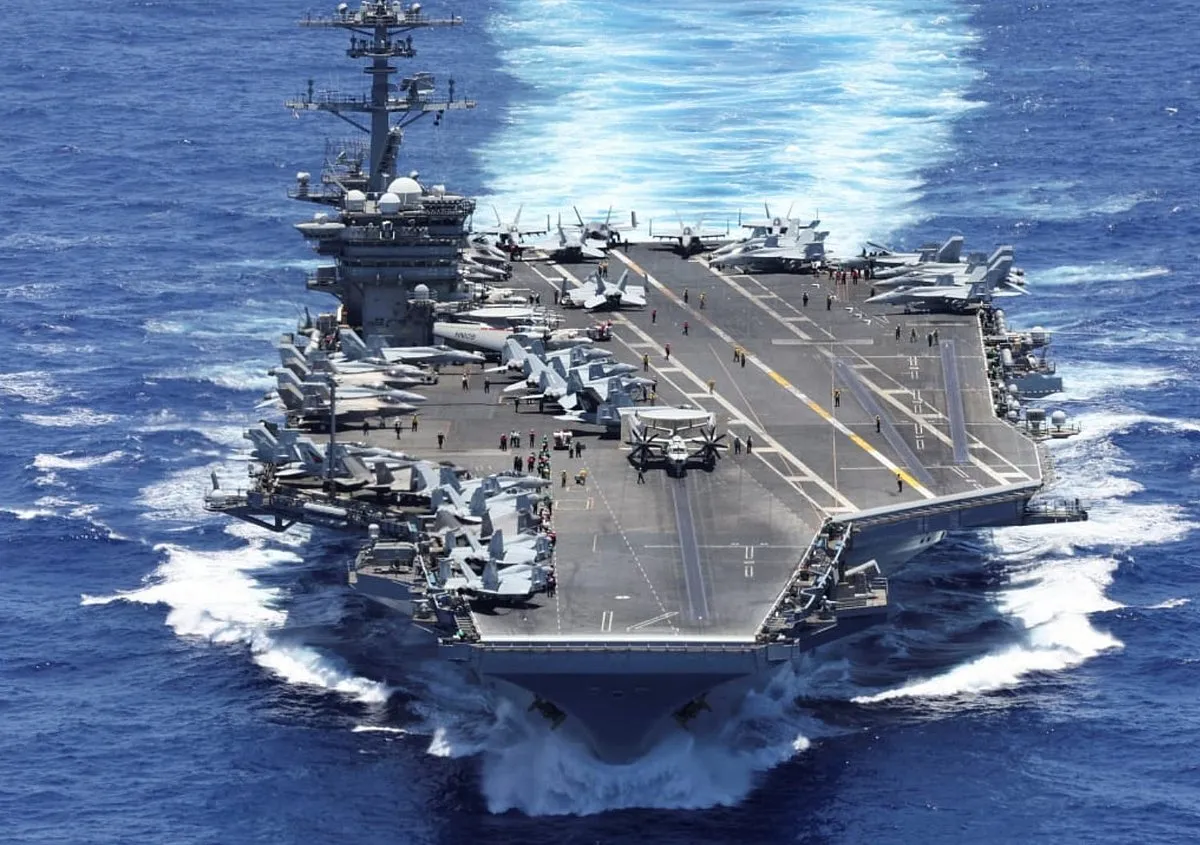
Third US Carrier Strike Group Enters Middle East Amid Iran Blockade
USS Theodore Roosevelt joins two other carrier groups as US naval deployment supporting the Iranian port blockade grows.

Japan's economy shrinks 0.1 percent in third quarter as energy costs rise
Japan's gross domestic product contracted unexpectedly in July-September, complicating the Bank of Japan's rate-hike path.

Carney says Canada may seek Chinese automakers if US trade talks fail
Canadian Prime Minister Mark Carney said Canada could turn to Chinese, European or Japanese automakers if negotiations with the United States do not preserve a viable domestic auto industry.
- Microsoft Outage Paralyses Australian Government and Economy
- ASEAN says South China Sea code of conduct talks nearly complete after 20 years
- Israel kills Hamas Rafah brigade commander in Gaza strike, Jordan sentences three to death over church shooting
- Jandarma seizes illegal weapons in four-home raid in Varto, Muş
- Milei's Week: Toyota Meeting, Tesla Launch, AMIA Honor
This page was compiled with AI assistance from the outlets named above and passed an automated language check before publication. Montegre has no reporters of its own; the byline names the outlets the story was compiled from. Method and editorial standards