Zelenskyy Vows Strikes on Russian Refineries Over New Putin Doctrine
Ukraine will target energy sites funding Russia's war after intelligence reveals a Kremlin plan to pressure civilians by striking infrastructure this winter.
KEY POINTS
- Zelenskyy vows intensified strikes on Russian oil refineries citing a new Putin doctrine targeting civilian infrastructure.
- Ukrainian intelligence claims documents show Moscow aims to pressure civilians to flee cities before winter.
- Counteroffensive "Vivaldi" has recaptured ~140 sq km in Donbas; Russia demands full control for peace.
- Ukrainian air defences down ~60% of jet-powered Shahed drones but face ammunition shortages.
- UN records 15,000+ civilian casualties in first eight months of 2026, up 55% year-on-year.
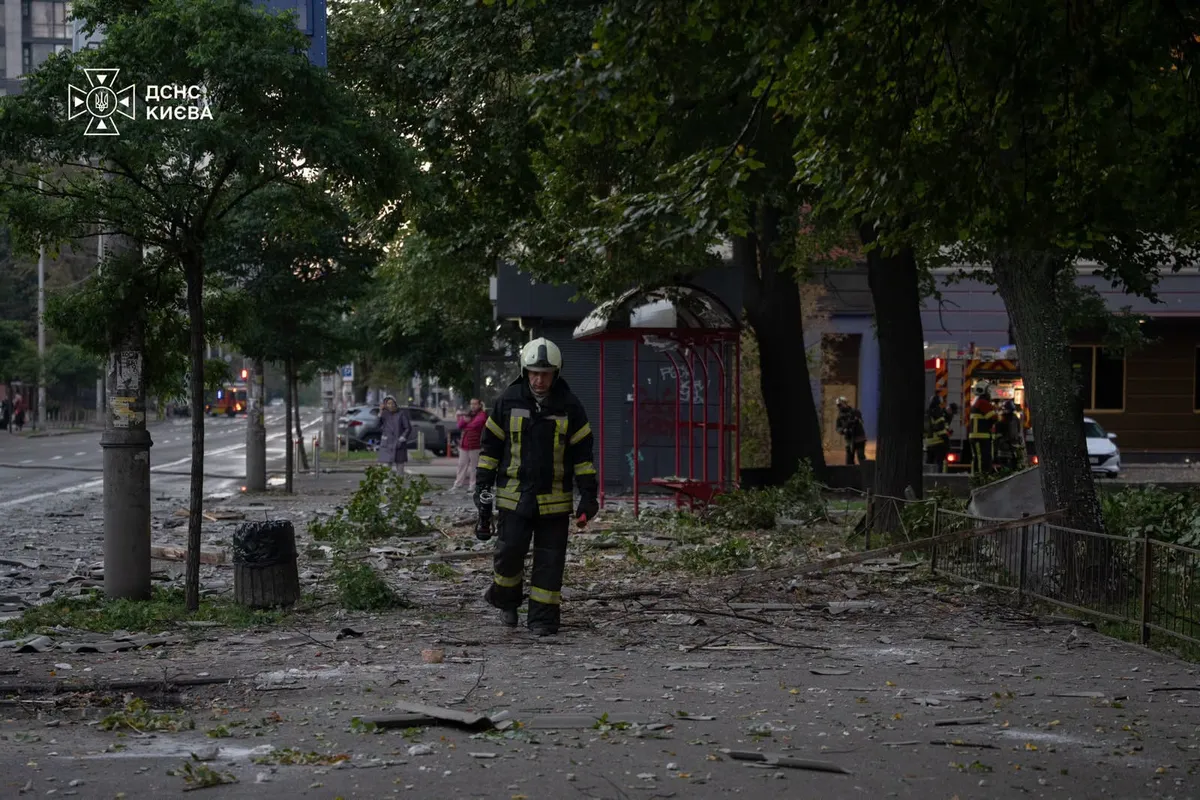
Ukrainian President Volodymyr Zelenskyy said Kyiv will intensify attacks on Russian oil refineries in response to a "new doctrine" attributed to Vladimir Putin. According to Zelenskyy, Ukrainian intelligence obtained documents showing Moscow plans wider strikes on civilian infrastructure — including roads, schools, and hospitals — to force residents to flee Kyiv and other cities before winter.
Zelenskyy stated Ukraine will target facilities generating revenue for Russia's war effort but will not deliberately strike civilian objects. The Kremlin was unavailable for comment, though Russia's Foreign Ministry said Moscow would continue systematic strikes as retaliation for Ukrainian attacks on Russian territory.
“With their attacks on our energy, we have to respond on their energy. First of all, oil refiners, etc.: what gives money to them for this war.”
Zelenskyy also said the ongoing counteroffensive "Vivaldi" has recaptured approximately 140 square kilometres in the Donbas region. Russia has demanded full control of Donbas as a condition for any peace agreement.
Meanwhile, Ukrainian air defences are struggling against Russian Shahed drones equipped with jet engines. Zelenskyy said fighters down roughly 60% of these drones, but interceptor ammunition is nearly exhausted and new interceptor drones show modest test results.
The United Nations documented over 15,000 civilian casualties in the first eight months of 2026, a 55% increase compared to the same period in 2025. Western embassies in Kyiv are on alert and preparing relocation plans amid the intensified attacks.
On the diplomatic front, Zelenskyy expressed willingness to meet Putin at the G20 summit but insisted normalisation of Western relations with Russia be conditioned on a halt to hostilities. German Chancellor Friedrich Merz arrived in Kyiv to announce military and energy aid and finalise a joint drone production agreement, including interceptors for new Russian jet-powered drones.
Ukraine also used its domestically produced FP-7 ballistic missile in combat for the first time. Zelenskyy urged accelerated production of a longer-range variant reportedly capable of reaching Moscow.
2 more sources below
COMMENTS (0)
No comments yet. Be the first.
RELATED STORIES

Security forces kill LeT commander Lateef Bhat in Kulgam mosque operation
Lateef Bhat, described as Lashkar-e-Taiba's last known active local terrorist in Kashmir, was killed after refusing surrender appeals during an early-morning encounter in Zangalpora village.

Eurogroup President Says Greece Can Lead in Artificial Intelligence
Kyriakos Pierrakakis said Greece could become a protagonist in AI based on full state digitisation.
Prosecutor seeks prison for nine in CHP congress case
Prosecutor alleges vote-buying and illegal activity at the 2023 CHP ordinary convention.
- Mitsotakis visits Cyprus for fourth intergovernmental summit
- Mexico City Authorities Forecast Multiple Protests Across Mid-November
- French Army Tests Remote-Controlled Supply Robot at Champagne Exercise
- Modi Gifts Kashmiri Carpets and Indian Crafts to World Leaders in Manila
- German Coalition Agrees to Cut Electricity Tax for 2027
This page was compiled with AI assistance from the outlets named above and passed an automated language check before publication. Montegre has no reporters of its own; the byline names the outlets the story was compiled from. Method and editorial standards