2026 El Niño Set to Peak in December as Strongest Since 1950
Global agencies warn the event will intensify through year-end, raising risks of extreme heat, floods and droughts into 2027.
KEY POINTS
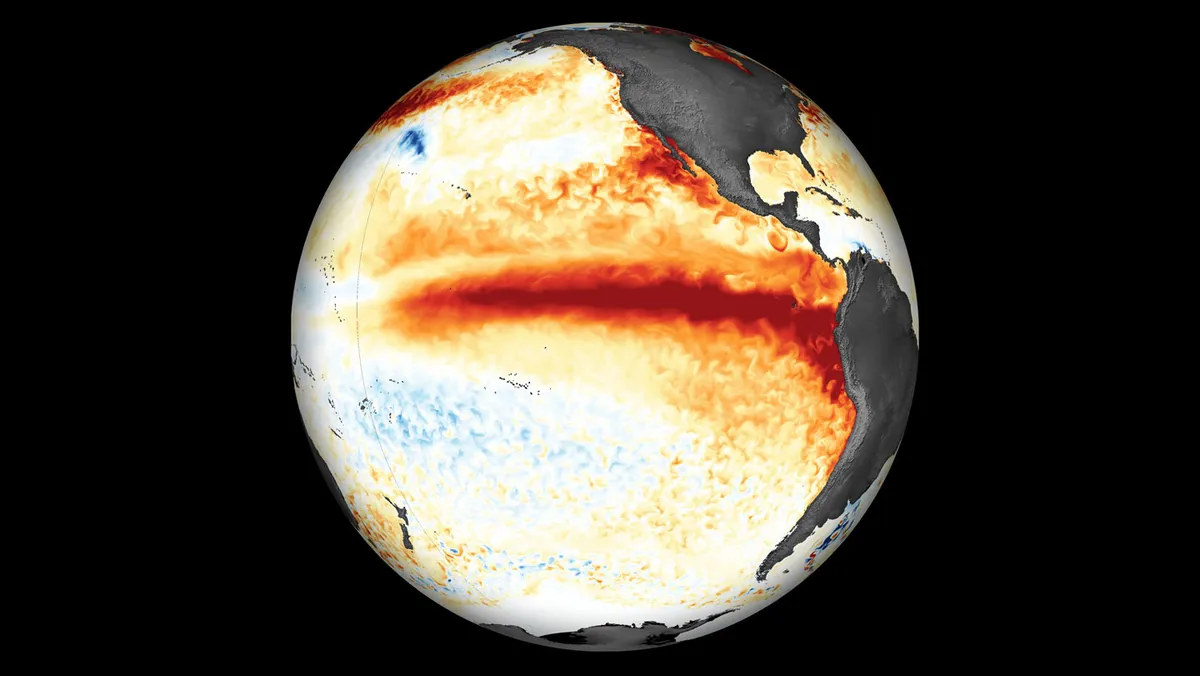
- Niño 3.4 region hit 30 °C on Oct 5, 3.39 °C above average — highest on record
- WMO projects December peak with near-100% probability of persistence into Feb 2027
- Global land temperatures may rise 1.2 °C, risking 450,000+ excess heat deaths by February
- Indonesia wildfires burned 4,000+ km², emissions matching 2015 crisis
- Argentina expects peak +2.7 °C anomaly in Dec; emergency protocols active through Mar 2027
The 2026 El Niño is on track to become one of the most intense events on record, with the World Meteorological Organization projecting a December peak and near-certain persistence into February 2027. Sea-surface temperatures in the key Niño 3.4 region reached 30 °C on October 5, standing 3.39 °C above the 1991-2020 average — a level never observed since measurements began. Climate physicist Helge Gößling said the 1997 and 2015 events were more than a full degree cooler at this time of year.
NOAA has not yet formally declared a record using its new Relative Oceanic Niño Index, which shows the 1997-98 episode still ahead. However, daily sea-surface data indicate the current event has already surpassed all previous peaks in absolute warmth. Nathaniel Johnson of NOAA's Geophysical Fluid Dynamics Laboratory expects further strengthening over the next few months.
“We can now clearly speak of an exceptional 'Super' event.”
A University of Chicago Climate Impact Lab report estimates the released ocean heat could raise global land temperatures by 1.2 °C, potentially causing more than 450,000 additional heat-related deaths by February. In Indonesia, wildfires have already burned over 4,000 square kilometers of forest and peatland since January, generating carbon emissions comparable to the 2015 crisis and causing widespread respiratory illness.
Argentina faces peak intensity in December with a projected +2.7 °C anomaly in the central Pacific. The National Meteorological Service assigned over 90% probability of a very strong event and 75% chance of exceeding +2.5 °C — a threshold not crossed since 1950. Authorities have issued emergency protocols for floods and storms lasting through March 2027.
The WMO forecasts above-average temperatures across much of the planet and altered rainfall patterns, increasing drought and flood risks globally. East Asia has already seen devastating typhoons, while northern Ethiopia and South Sudan face severe drought as southern Ethiopia, Kenya and Somalia brace for massive flooding reminiscent of 1997. In Brazil, 157 municipalities were classified in severe drought as of July, with flood risks rising in the South and fire threats in the Amazon and Cerrado.
6 more sources below
COMMENTS (0)
No comments yet. Be the first.
RELATED STORIES
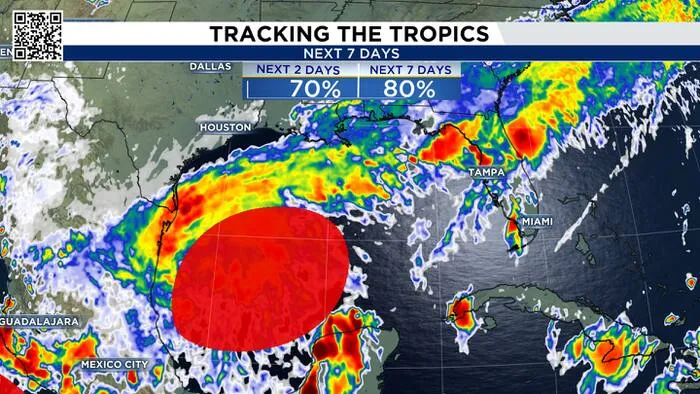
Hurricane Isaias Threatens US Gulf Coast as Season's First Hurricane
Isaias strengthened into a Category 1 hurricane Thursday, targeting the northern Gulf Coast with life-threatening storm surge and heavy rain.

Man Shot Dead in Parked Car in Gaziantep
A 34-year-old man was killed in a drive-by shooting in the Şahinbey district; police have launched an operation to catch the suspects.

French Students Protest Nationwide Over School Conditions, Police Violence
Hundreds of thousands marched across France on Tuesday as a movement sparked by crumbling schools and teacher shortages escalated into clashes with police.
- Turkey Rises to Top 15 in OECD Education Rankings, Minister Tekin Announces
- Francis Halzen Wins 2026 Nobel Physics Prize for IceCube Neutrino Discovery
- Student dies, seven wounded in Istanbul middle school knife attack
- AFAD: Adana Saimbeyli 5.2 Earthquake Preceded by 16 Foreshocks
- Supreme Court Hears Climate Case Against Oil Giants
This page was compiled with AI assistance from the outlets named above and passed an automated language check before publication. Montegre has no reporters of its own; the byline names the outlets the story was compiled from. Method and editorial standards