US completes Iraq troop withdrawal after 23 years as Iran-backed groups claim victory
American forces leave final bases by September 30 under a 2024 agreement, while analysts warn of security risks from Islamic State remnants and growing Iranian influence.
KEY POINTS
- US completes full troop withdrawal from Iraq by September 30, 2026, ending 23-year presence
- Withdrawal agreed in 2024 under Biden, implemented by Trump administration
- Iran-backed militias celebrate as historic victory and claim defeat of American project
- Iraqi PM orders pro-Iran militias to disarm and integrate into state security by June 2027
- Analysts warn of security vacuum benefiting Iranian influence and ISIS remnants
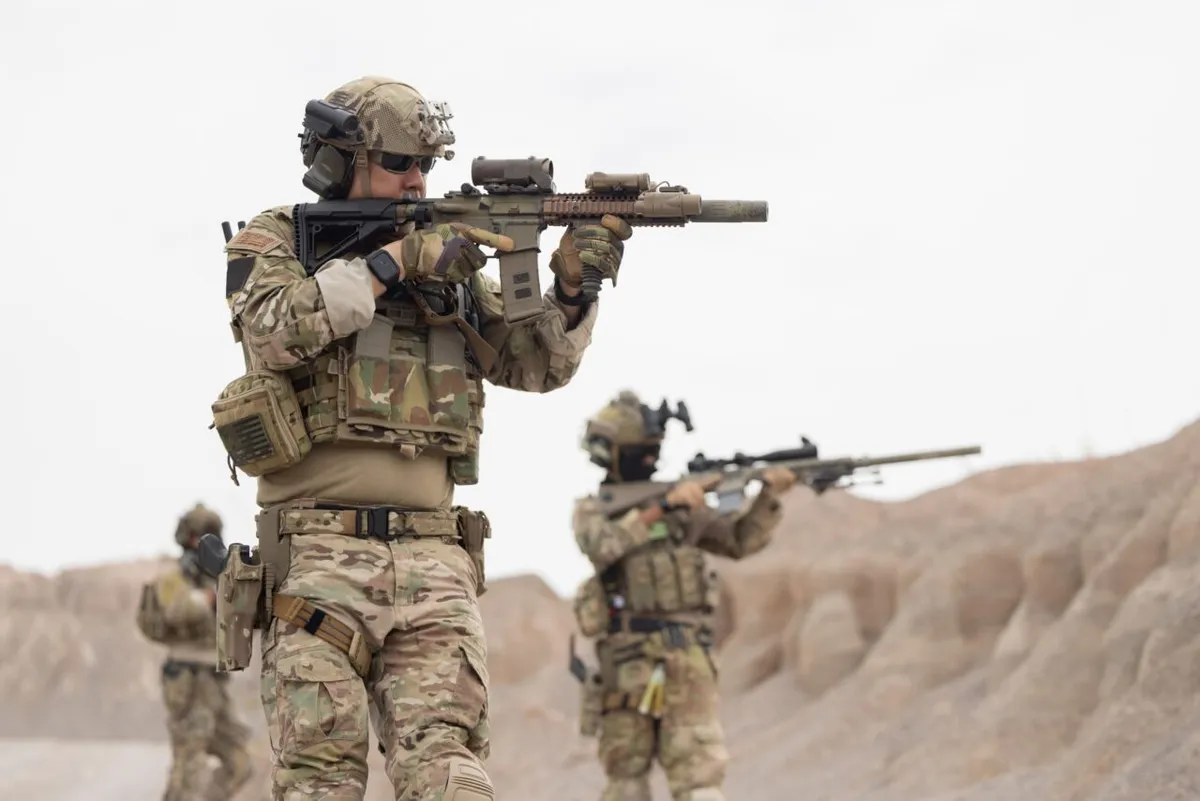
The United States is withdrawing its remaining troops from Iraq by September 30, ending a 23-year military presence that began with the 2003 invasion. Washington and Baghdad agreed on the timeline in 2024 under the Biden administration, and the Trump administration is now executing it. The last American forces, numbering around 2,500 this year, were stationed at bases in Erbil, near Baghdad airport, and in the Green Zone.
Iran-backed armed groups are portraying the departure as a historic victory. Abu Mojtaba al-Yasiri, a commander in the Islamic Resistance in Iraq, called it a crushing defeat for the American project and said his groups will celebrate the turning of a black page in Iraq's history. Security analyst Jasim al-Bahadli told Reuters that Iran stands to benefit strategically because the withdrawal removes a counterweight to Tehran's influence.
“Iran stands to benefit strategically from the coalition's departure because it removes a military presence that for years acted as a counterweight to Tehran's influence in Iraq”
Iraqi Prime Minister Ali al-Saidi announced that pro-Iran militias must disarm and integrate into state security apparatus by June 2027. Romania has also completed the withdrawal of its troops, Defense Minister Radu Miruță confirmed in March. At the peak of the war, approximately 170,000 US troops were deployed in Iraq.
Analysts warn that the pullout could create opportunities for both Iranian allies and Islamic State remnants. NPR correspondent Jane Arraf noted that US forces originally withdrew in 2011 only to return in 2014 to fight ISIS, which had captured a third of the country. She described the current moment as a turning point for Iraq under pressure from political parties and pro-Iran militias.
2 more sources below
COMMENTS (0)
No comments yet. Be the first.
RELATED STORIES
Iraq to Close Coalition Hub, End Foreign Military Presence by Sept. 30
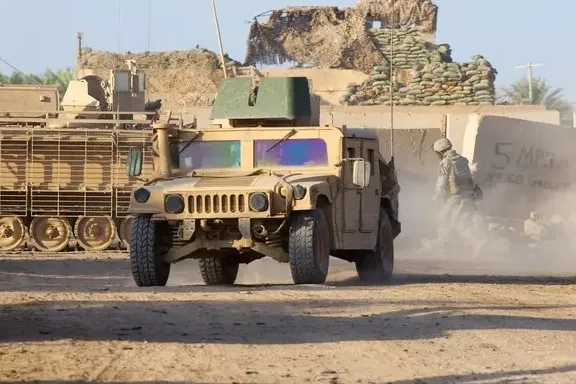
Iraq announces the shutdown of the U.S.-led coalition headquarters and the transfer of a diplomatic support base, marking the end of foreign bases on its soil.
US, China Cut Tariffs on $30 Billion in Goods After Trump-Xi Meeting
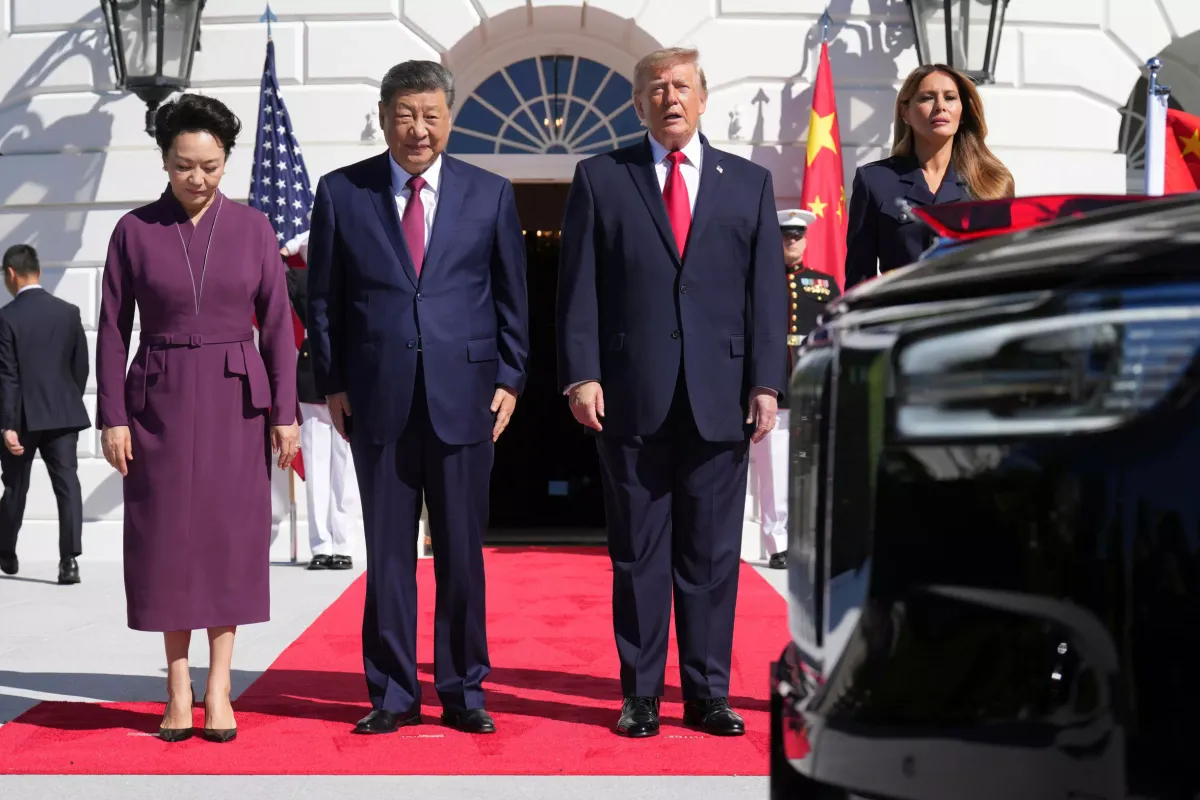
Both nations released reciprocal product lists covering 1,619 US items and 77 Chinese categories, eliminating most country-specific duties.
U.S. Bans $1 Billion in Canadian Imports as Trade War Escalates
The Trump administration imposed bans on Canadian alcohol, dairy byproducts, and motorcycles, prompting warnings of further deterioration in bilateral relations.
- 36 Detained in Probe of 2009 Muhsin Yazicioglu Helicopter Crash
- Trump Announces $18 Billion Essar-Backed Steel Project in Iowa and Minnesota
- PSD National Council to Decide on Supporting Mureșan Government
- Tinubu Returns for Independence Events Amid Absence Debate
- Heckler Shouts Profane Accusation at Trump During Presidents Cup
This page was compiled with AI assistance from the outlets named above and passed an automated language check before publication. Montegre has no reporters of its own; the byline names the outlets the story was compiled from. Method and editorial standards