Ukraine peace talks in Abu Dhabi include Russia, US and France
Delegations from Ukraine, Russia and the United States meet in Abu Dhabi as France joins the negotiations on European security.
KEY POINTS
- Ukraine, Russia and the United States will meet in Abu Dhabi on consecutive days
- Vladimir Medinsky leads the Russian delegation, joined by Sergei Ryabkov and military officials
- Donald Trump has suggested a major agreement with Russia that could involve all of Europe
- France's participation, announced by Jean-Noel Barrot, adds a new and uncertain element
- Russia has previously sought limits on NATO and recognition of its sphere of influence
Representatives from Ukraine, Russia and the United States will meet in Abu Dhabi on consecutive days to seek an exit from the war started by Vladimir Putin almost five years ago. The meeting is not the first attempt at negotiation, and there is no reason to consider this appointment decisive.
The Russian delegation will again be led by Vladimir Medinsky, Putin's adviser who took part in previous talks. This time he will be joined by Sergei Ryabkov, deputy foreign minister responsible for relations with the United States and arms control. Mikhail Galuzin, military intelligence chief Igor Kostyukov and senior General Staff officer Yuri Zhigarlovsky will also attend.
“A count is negotiating conditions to stop the war, another is renegotiating the security architecture of the continent.”
The delegation brings together diplomacy, security and military apparatus. Ryabkov's presence suggests Moscow may be preparing to discuss not only occupied territories and a ceasefire but also strategic relations with Washington.
Donald Trump has raised the possibility of a major agreement with Russia that could involve all of Europe. He has not explained its contents, and this vagueness should worry European governments.
Negotiating conditions to stop the war is one thing; renegotiating the continent's security architecture is another. Russia has previously made clear that by a new European architecture it means limits on NATO, reduced Western military presence in Eastern Europe and recognition of its own sphere of influence.
France's presence, announced by Foreign Minister Jean-Noel Barrot also in the name of Europe, has suddenly and unexpectedly forced a redefinition of the situation. The Ukrainian war negotiation could become a negotiation on the future of European security, though the French role remains uncertain and does not yet resolve the question of who represents Europe.
2 more sources below
COMMENTS (0)
No comments yet. Be the first.
RELATED STORIES
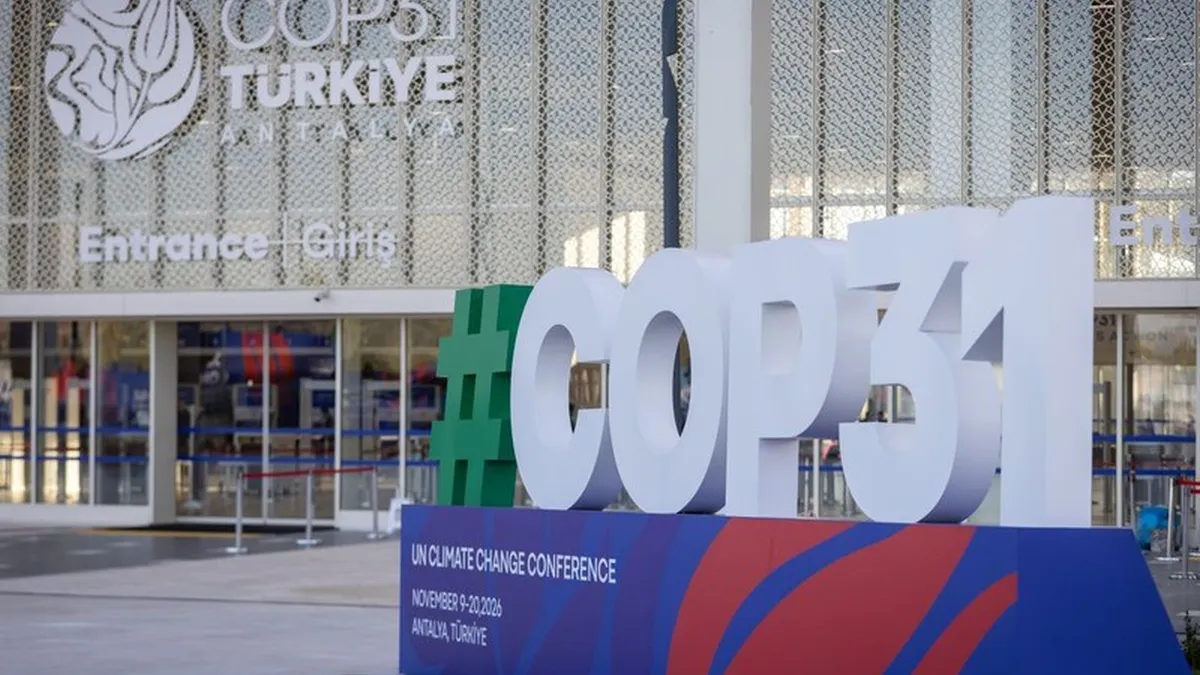
Brazil hands COP30 climate agenda to Turkey ahead of Antalya summit
Brazil presents three implementation reports and a $1.3 trillion annual climate finance plan as the COP presidency passes to Turkey.
WMO warns 2026 among four hottest years on record
UN climate report says 2026 is on track to join the hottest years ever recorded.
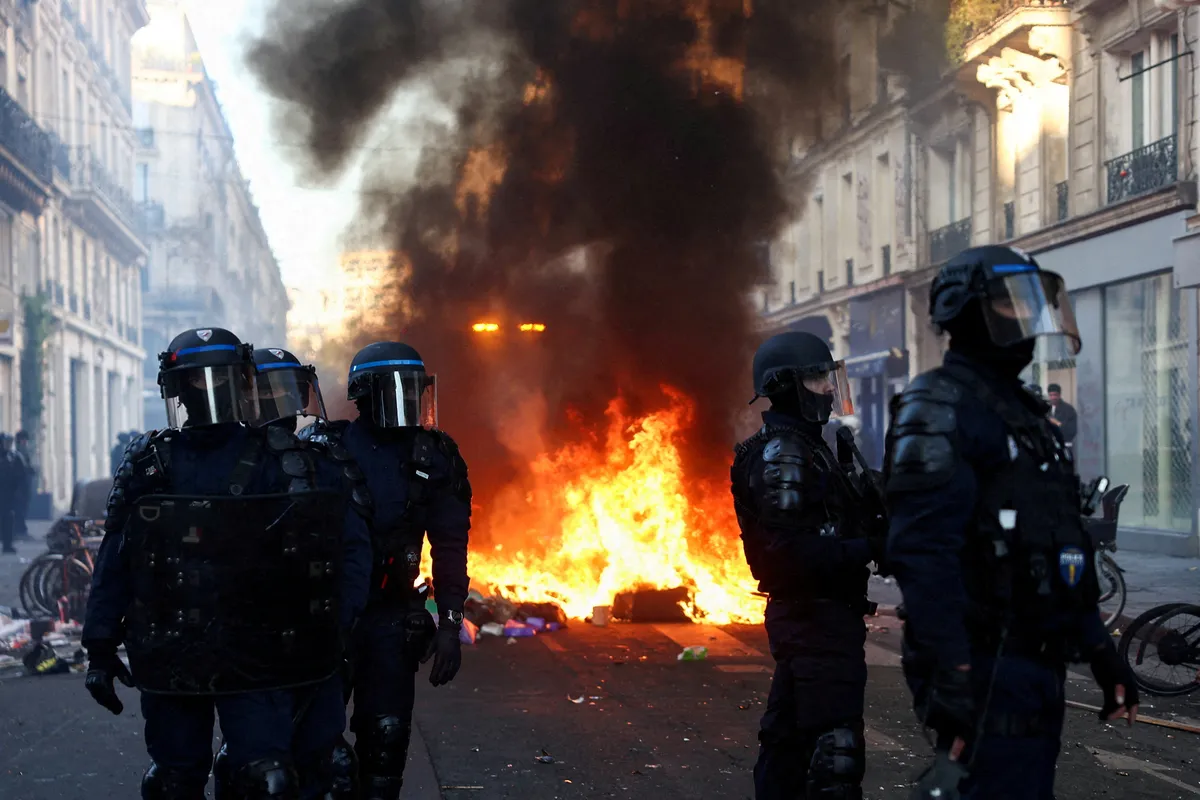
EU says covert Russian network exploited France riots with disinformation
EU assessment says Russia used social media to blame French unrest on migration and portray leadership as weak.
- Zelenski hopes US Democratic victory will increase aid to Ukraine
- Greek PM Visits Serres to Receive Religious Relics Returned from Bulgaria
- Trump's Midterm Defeat Leaves Asia Facing a Constrained but Unpredictable US
- Rubio to meet G7 allies in Paris over Iran, Ukraine and AI
- Drone attack hits Villa Rica toll station in Colombia's Cauca region
This page was compiled with AI assistance from the outlets named above and passed an automated language check before publication. Montegre has no reporters of its own; the byline names the outlets the story was compiled from. Method and editorial standards