Anti-trans ballot measures pass in four states despite Democratic midterm wave
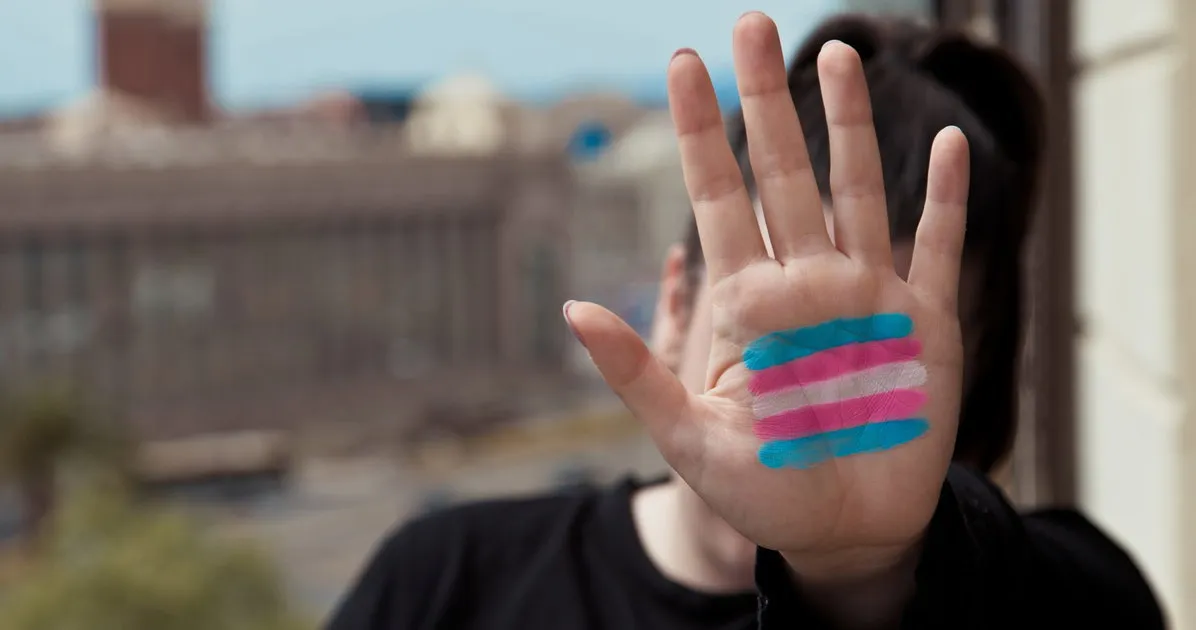
Voters in Arizona, Colorado, Nebraska and Washington approved measures restricting transgender inclusion in school sports and single-sex spaces, even as Democrats won major victories in the 2026 midterm elections.
KEY POINTS
- Transgender rights were on the ballot in at least seven states
- Arizona, Colorado, Nebraska and Washington approved or were expected to approve anti-trans sports measures
- None of the measures included carveouts for intersex children
- Courts have overturned 57 ballot measures since 1995
- LGBTQ+ advocates said the results should not justify abandoning trans people
Transgender rights appeared on ballots in at least seven states during the 2026 midterm elections, covering issues from marriage equality to bans on trans inclusion in sports. While Democrats achieved sweeping victories nationwide in what commentators called a blue wave, the results on single-issue ballot measures did not follow the same partisan pattern.
Arizona, Colorado, Nebraska and Washington state all gave voters the chance to decide whether transgender children should be banned from school sports. Arizona’s measure also sought to bar trans children from single-sex spaces matching their gender identity. None of the measures included exceptions for intersex children.
“Ballot measures are a function of funding more than anything and are wildly undemocratic. These votes against us should not be used as justification to throw us under the bus.”
Arizona’s Proposition 318 passed, according to the first source. Measures in Nebraska, Washington and Colorado either passed or were expected to pass, according to the second source. Nebraska voters enshrined what one outlet described as trans sports discrimination in the state constitution.
The split outcome reflects the nature of ballot measures, which are single-issue and carry no party affiliation. Party loyalties and dissatisfaction with the ruling party therefore play a smaller role, while misinformation campaigns can influence voters to support initiatives they might otherwise reject.
LGBTQ+ advocates expressed disappointment and warned against using the results to abandon transgender people. Chase Strangio of the ACLU said ballot measures function more as a matter of funding than democracy and are wildly undemocratic. Maia Monet, a transgender resource manager in Central Florida, said election night was terrible for trans people nationwide and that celebrations ignored their plight.
Legal challenges remain possible even after voters approve a measure. Since 1995, state and federal courts have overturned 57 ballot measures, leaving the door open for future court battles over the newly approved restrictions.
3 more sources below
COMMENTS (0)
No comments yet. Be the first.
RELATED STORIES

Federal panel poised to approve Trump's 250-foot memorial arch amid legal challenges
The National Capital Planning Commission is expected to greenlight President Donald Trump's proposed gilded arch despite public opposition and ongoing court battles.
Nithya Raman Elected Mayor of Los Angeles
Indian-born Nithya Raman becomes the first South Asian mayor of Los Angeles.
Democratic Socialists Set to Expand House Presence After Midterm Wins
DSA-backed candidates are projected to add at least four new socialist members to the U.S. House of Representatives.
- National complains as coalition partners back vote-splitting campaign
- Paraguay President Santiago Peña Resigns Amid Ueno Bank Scandal
- Former Oakland Mayor Sheng Thao Bribery Trial: Witness Details Payoffs and Assault
- Chris Pappas wins New Hampshire Senate seat, becoming first openly gay male U.S. senator
- New Yorkers Approve All Five Mamdani Ballot Proposals to Speed City Approvals
This page was compiled with AI assistance from the outlets named above and passed an automated language check before publication. Montegre has no reporters of its own; the byline names the outlets the story was compiled from. Method and editorial standards