National complains as coalition partners back vote-splitting campaign
National has lodged an Electoral Commission complaint over a campaign urging centre-right voters to split their votes, while ACT and New Zealand First say they approved related advertisements.
KEY POINTS
- National complained to the Electoral Commission over a vote-splitting campaign
- ACT and New Zealand First approved related advertisements
- The campaign urged voters to split electorate and party votes to force an overhang
- Christopher Luxon said National did not support the tactic and warned of voter confusion
- The effort was linked to Voices for Freedom, Hobson's Pledge, Reality Check Radio, and Harry Mowbray
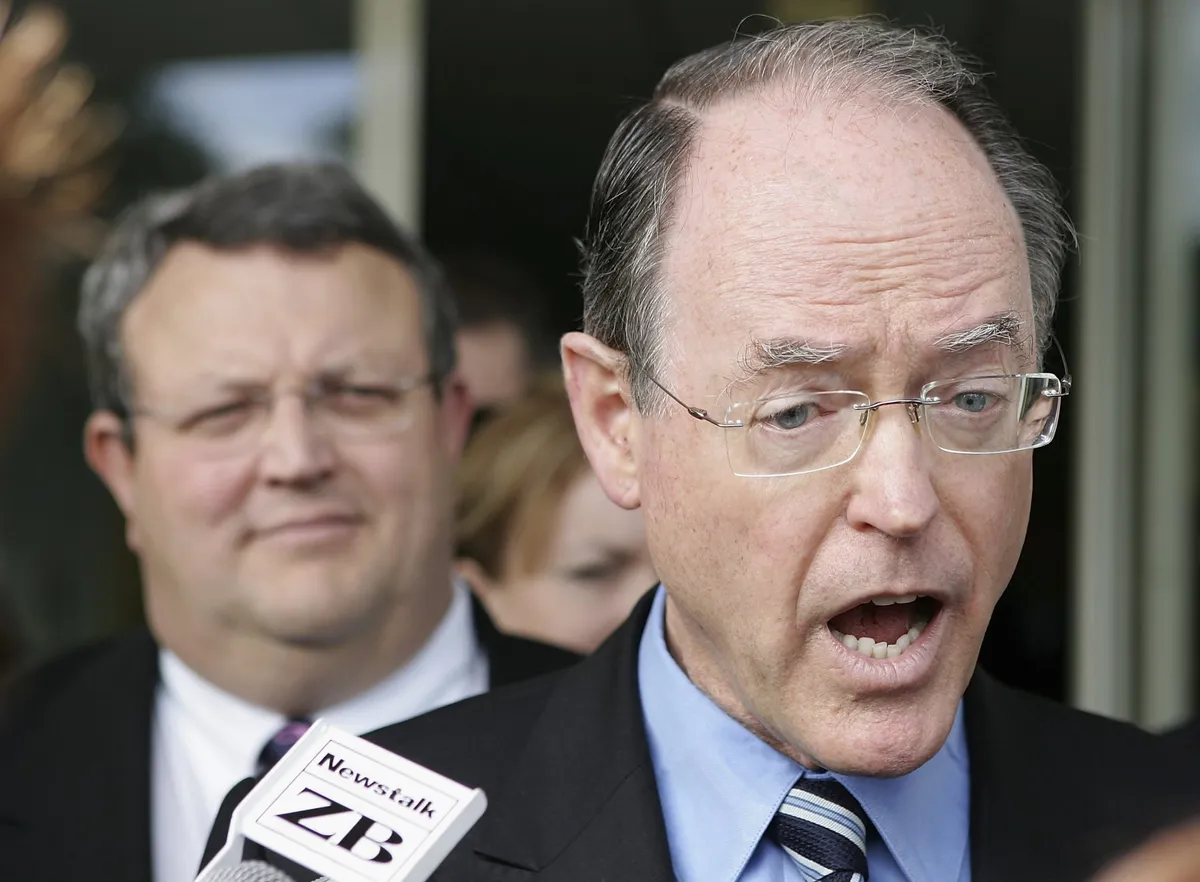
National has complained to the Electoral Commission about a campaign urging centre-right voters to split their votes, saying it tried to confuse voters days before the election. A National Party spokesperson called it a deliberate attempt to confuse voters in an already tight election and said the party referred the matter to the commission.
The Split Your Vote campaign, backed by businessman Harry Mowbray, encouraged voters to give their electorate vote to National and their party vote to ACT or New Zealand First. The goal was to force an overhang by having National win as many electorates as possible while ACT and NZ First increased their party-vote shares.
“If you want a National Government you need to make sure National is bigger than Labour. The only way to do that is to party vote National.”
ACT leader David Seymour confirmed his party gave permission for an advertisement linked to the campaign, saying ACT initially said no but later approved it on condition it would back ACT in the Epsom and Tāmaki electorates. Seymour is seeking re-election in Epsom, while James Christmas hopes to keep Tāmaki for ACT after Brooke van Velden's retirement.
A New Zealand First spokesperson said the party approved a separate advertisement by Reality Check Radio published in the New Zealand Herald that promoted the same overhang strategy. The broadcaster asked permission because the ad encouraged a party vote for New Zealand First, and the party gave approval despite having no involvement in creating the advertisement.
National leader Christopher Luxon said National did not support the campaign and warned voters that people were trying to confuse them by suggesting a vote for another party could help National. He said it was a very tight election and that the tactic risked creating confusion that could help Labour form a coalition government.
Newsroom described the final week as the most febrile since the days of the Exclusive Brethren, linking the vote-split push to Voices for Freedom, Hobson's Pledge, Reality Check Radio, and Harry Mowbray, whose siblings founded toy giant Zuru and are ranked among New Zealand's richest families with more than $20 billion.
6 more sources below
COMMENTS (0)
No comments yet. Be the first.
RELATED STORIES
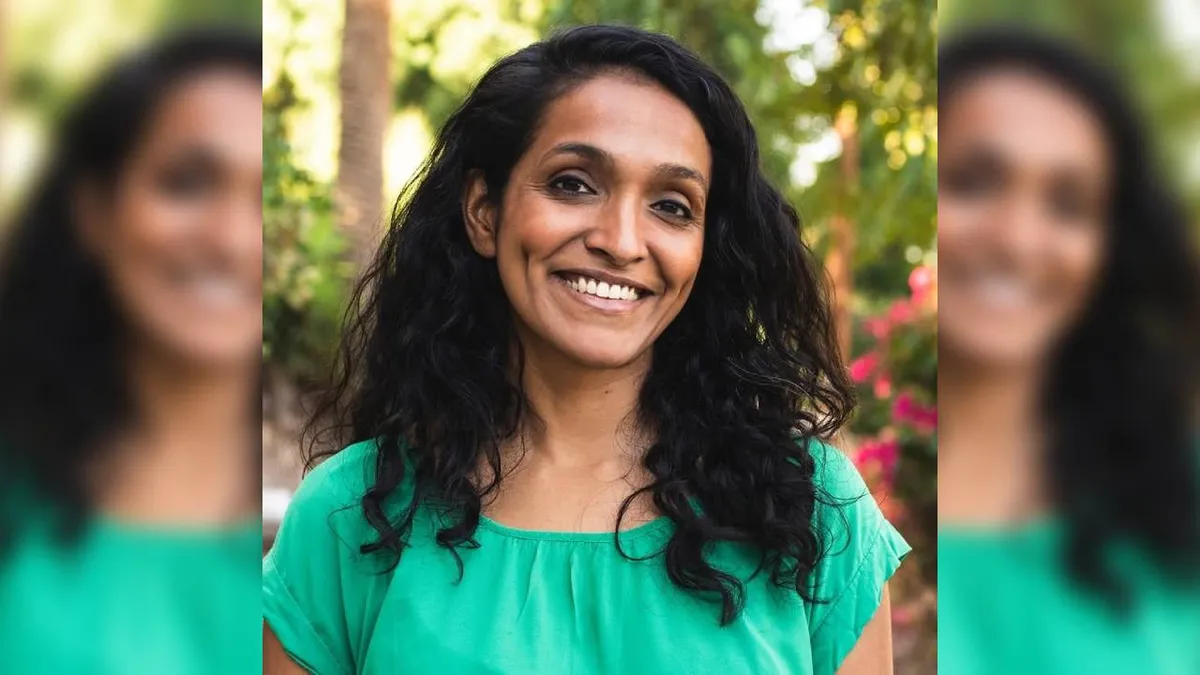
Nithya Raman Elected Mayor of Los Angeles
Indian-born Nithya Raman becomes the first South Asian mayor of Los Angeles.
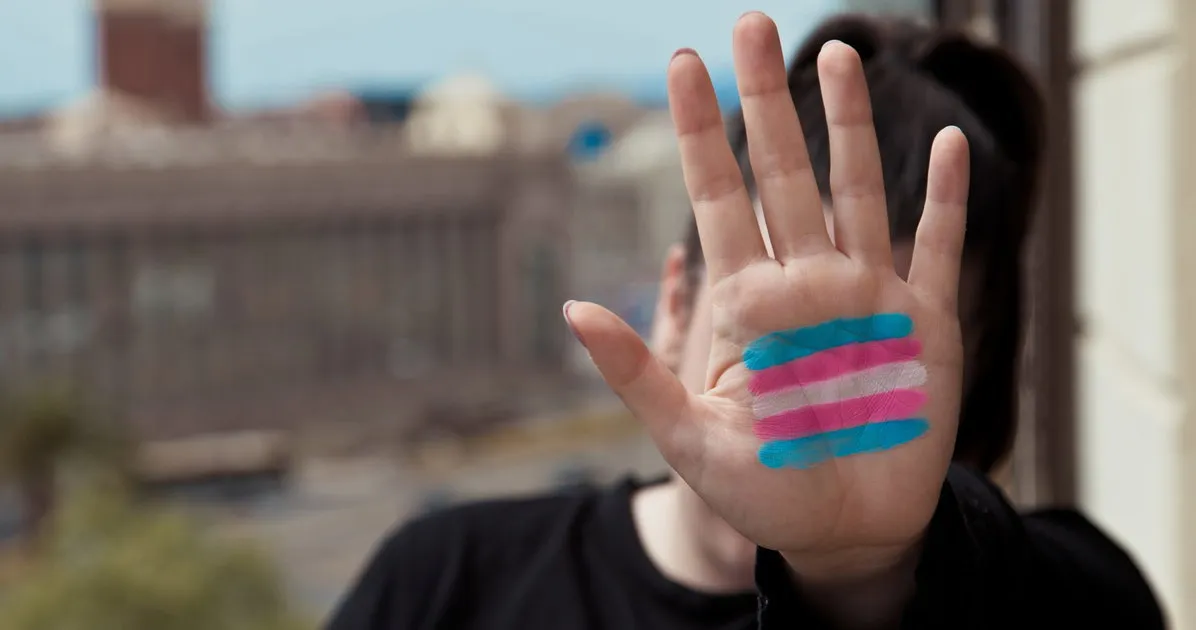
Anti-trans ballot measures pass in four states despite Democratic midterm wave
Voters in Arizona, Colorado, Nebraska and Washington approved measures restricting transgender inclusion in school sports and single-sex spaces, even as Democrats won major victories in the 2026 midterm elections.
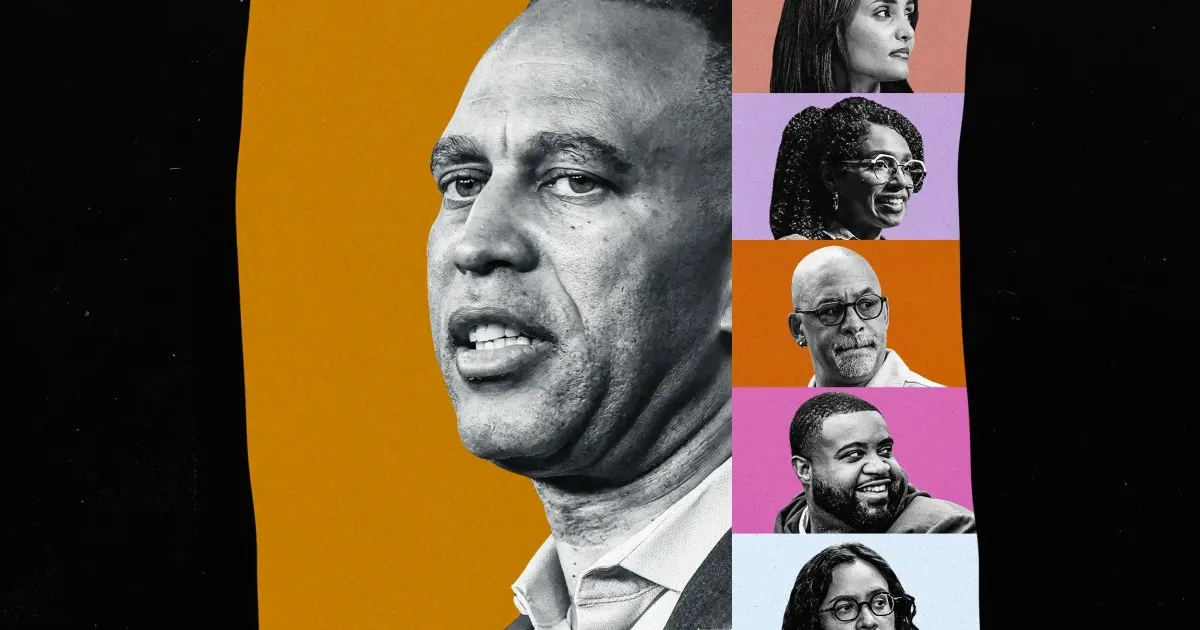
Democratic Socialists Set to Expand House Presence After Midterm Wins
DSA-backed candidates are projected to add at least four new socialist members to the U.S. House of Representatives.
- Paraguay President Santiago Peña Resigns Amid Ueno Bank Scandal
- Former Oakland Mayor Sheng Thao Bribery Trial: Witness Details Payoffs and Assault
- Chris Pappas wins New Hampshire Senate seat, becoming first openly gay male U.S. senator
- New Yorkers Approve All Five Mamdani Ballot Proposals to Speed City Approvals
- Lula Launches Critical Minerals Council, Calls It Start of New Era
This page was compiled with AI assistance from the outlets named above and passed an automated language check before publication. Montegre has no reporters of its own; the byline names the outlets the story was compiled from. Method and editorial standards