Argentine Senate passes gas subsidy reform for cold zones
The bill repeals the 2021 expansion and tightens eligibility based on income and social criteria.
KEY POINTS
- Senate approves Cold Zone Regime reform 38-8, making it law
- Reform repeals 2021 expansion and ties subsidies to income and social criteria
- Income cap set at three basic baskets (~4.7 million pesos); disability and Malvinas veterans covered
- Patagonia, Malargüe, and Puna keep original differential benefits
- Subsidy mechanism shifts from distribution to generation segment
The Argentine Senate approved a reform of the Cold Zone Regime on Thursday by a vote of 38 to 8, converting the bill into law after the lower house gave it half-sanction in May. The measure rolls back the 2021 expansion enacted under the previous administration and restricts residential gas subsidies to households earning up to three basic baskets, currently about 4.7 million pesos, as well as people with disabilities and Malvinas veterans.
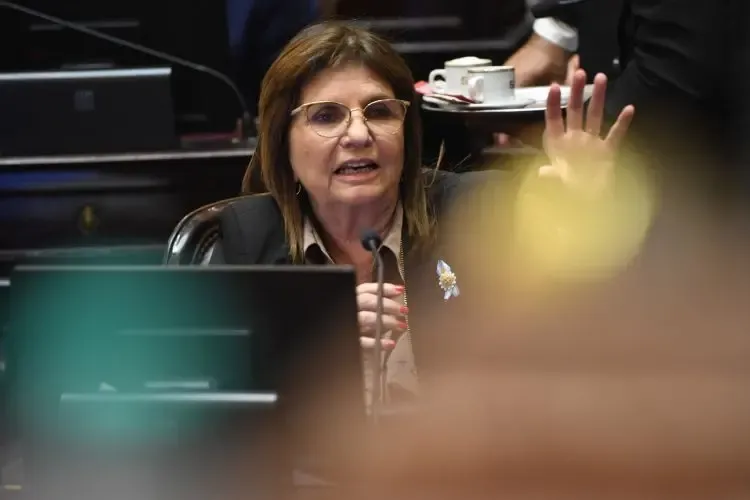
The session was marked by procedural tension when Senator José Carambia attempted to break quorum by refusing to take his seat. Acting president Bartolomé Abdala allowed a 15-minute window, during which Senator Edith Terenzi spoke in support of the bill, enabling the chamber to reach the required number. Security Minister Patricia Bullrich then pushed for a single vote on the general and particular texts, ending the session quickly.
“The benefit will be concentrated on gas generation and not on distribution, which represents a significant part of the final cost of bills.”
The Peronist bloc withdrew at the start of the debate, demanding a recess, and only returned after quorum was secured. The government also committed to implementing electricity subsidy compensations for provinces in warmer regions as part of the political agreement that secured the votes.
Patagonia, Malargüe, and the Puna retain the differential treatment they held under the original regime. The reform also shifts the subsidy mechanism from gas distribution to generation, altering how the final benefit is calculated for users in affected provinces such as Buenos Aires, Santa Fe, Córdoba, San Juan, and Mendoza.
2 more sources below
YORUMLAR (0)
Henüz yorum yok. İlk yazan siz olun.
RELATED STORIES
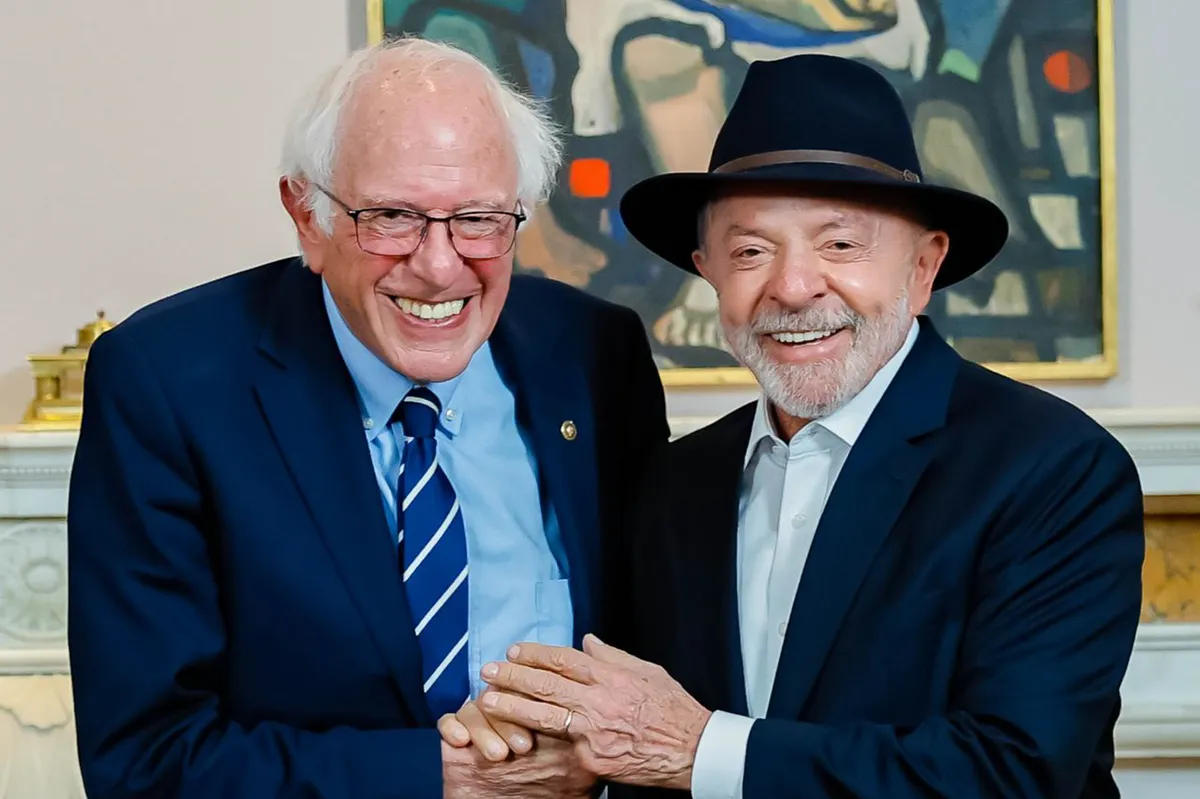
Lula warns of AI election meddling; Trump team denies interference
Brazilian president cites AI interference signs and Rubio ties to Bolsonaro; U.S. State Department says elections are Brazil's sovereign decision.

Spain Rushes Housing Decree After 87-Year-Old Eviction
Government accelerates legislation amid coalition tensions and public outrage over Maricarmen's forced removal.
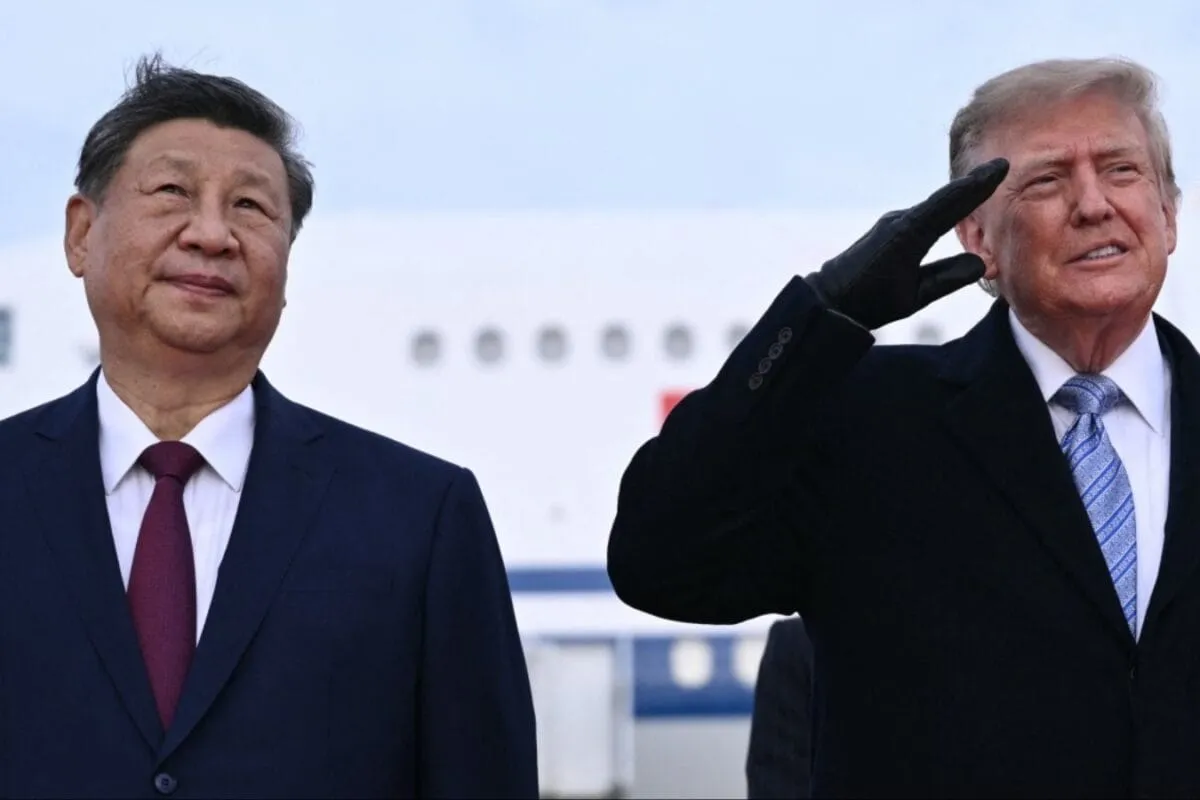
Trump Hosts Xi for State Dinner With Tech and Banking Leaders
President Trump welcomes Chinese President Xi Jinping with a lavish White House dinner attended by top executives including Musk, Bezos, and Altman.
- DoorDash Agrees to $131.5M Settlement for NYC Delivery Workers
- Xi Warns Trump Against Thucydides Trap During White House Visit
- California Supreme Court orders sheriff to return 650,000 seized ballots
- France Deploys Troops to Defend Saudi Oil Port After Houthi Missile Attacks
- Argentina poverty rises to 32.3% in first half of 2026
This page was compiled with AI assistance from the outlets named above and passed an automated language check before publication. Montegre has no reporters of its own; the byline names the outlets the story was compiled from. Method and editorial standards