Berlin Votes in State Election as Left Party Challenges CDU and AfD
Berliners elect a new state parliament with the Left Party polling ahead of the CDU and AfD, setting up a potential red-green-red coalition.
KEY POINTS
- Berlin state election held September 20, 2026, to choose the Abgeordnetenhaus
- Final ZDF Politbarometer poll shows Linke at 22%, CDU 20%, AfD 18%, Greens 15%, SPD 12%
- Red-green-red coalition (Linke-Greens-SPD) is the only viable majority if polls hold
- Linke lead candidate Elif Eralp, 45, lawyer, daughter of Turkish political refugees
- CDU runs Stefan Evers after Mayor Kai Wegner steps aside; rules out AfD cooperation
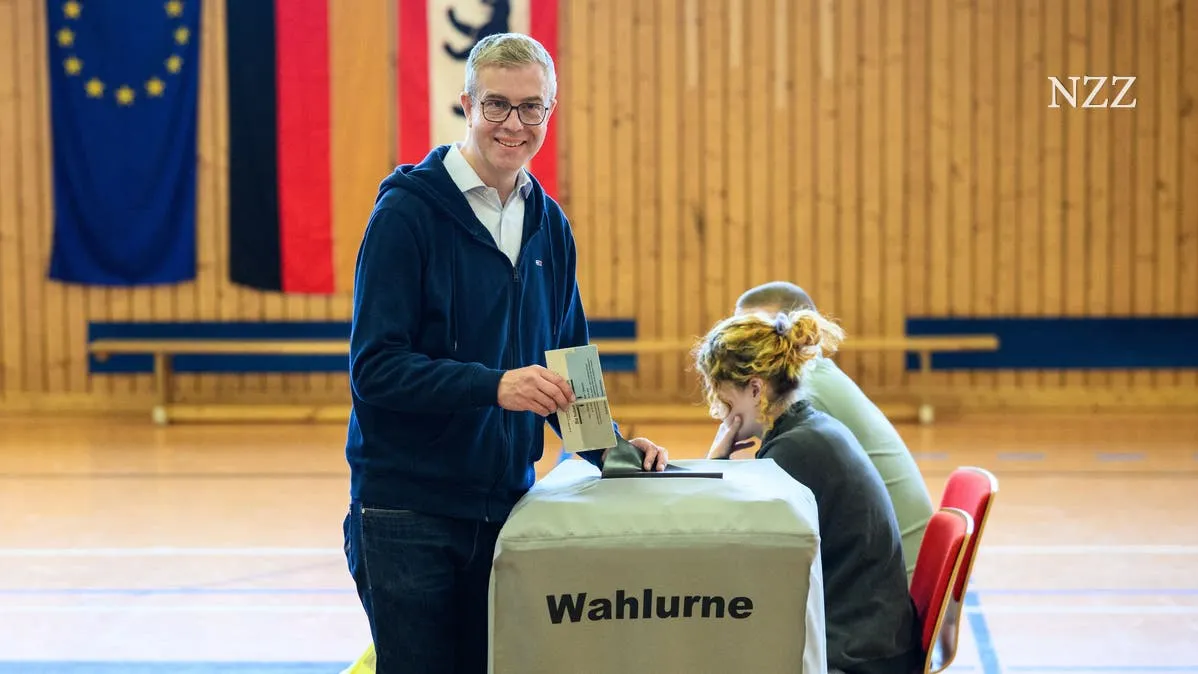
Berlin voters went to the polls on September 20, 2026, to elect a new state parliament in an election shaped by housing costs and migration debates. The Left Party (Die Linke) entered the race as the slight frontrunner, polling at 22 percent according to a final ZDF Politbarometer survey, ahead of the CDU at 20 percent and the AfD at 18 percent. The Greens and SPD were projected to clear the five-percent threshold at 15 and 12 percent respectively, making a red-green-red coalition the only mathematically viable majority.
The Left Party's lead candidate is Elif Eralp, a 45-year-old lawyer born in Munich to Turkish political refugees who fled the 1980 coup. Eralp, who joined the party in 2017 and serves as a state legislator, centered her campaign on the housing crisis, mobility, and waste management. She enlisted Morris Katz, strategist for New York Mayor Zohran Mamdani, to shape her communication strategy.
“Berlin is not comparable to the country as a whole nor to Saxony-Anhalt”
CDU General Secretary Lukas Krieger insisted Berlin remains distinct from eastern states where the AfD recently won, arguing his party is the only guarantor of political stability in the capital. The CDU fields Stefan Evers as its top candidate after incumbent Mayor Kai Wegner declined to seek re-election. Krieger ruled out any cooperation with the AfD, which he said has no path to government participation.
Political scientist Julia Reuschenbach noted the Left Party has consolidated as the most credible opposition to the AfD because it refuses to support a CDU-led government. Meanwhile, a Left Party candidate in Neukölln, Basem Said, drew controversy by calling for a "Wahl-Intifada" in a social media post, according to NZZ reporting.
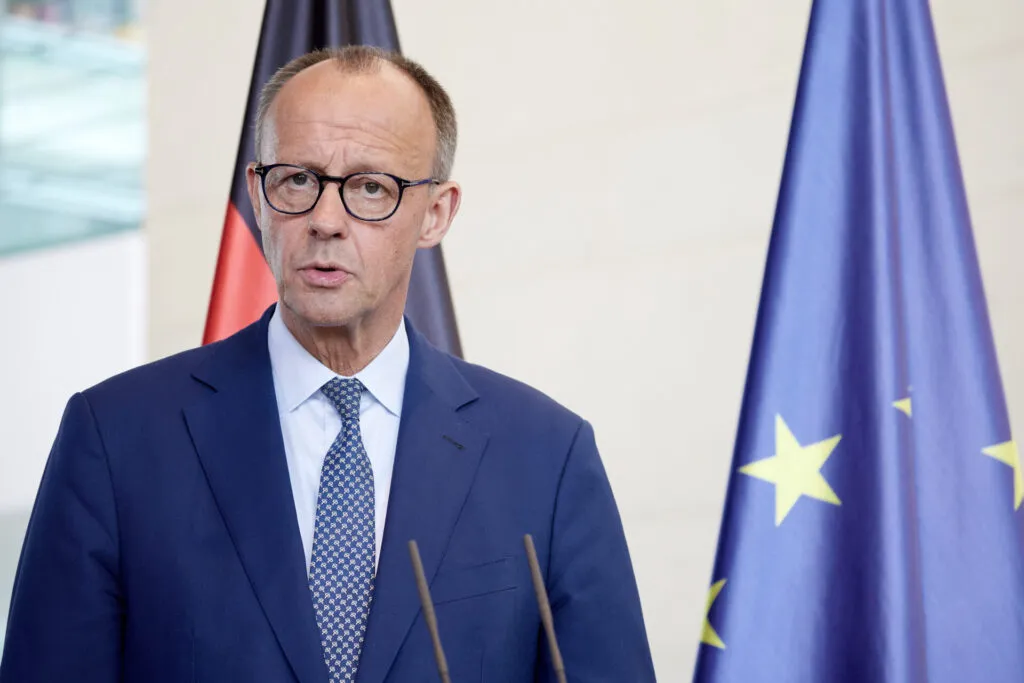
Chancellor Friedrich Merz planned a statement shortly after polls closed at 6:00 PM, with first projections expected immediately. A Forschungsgruppe Wahlen survey found 80 percent of Berliners view the city as poorly prepared for the future, up from 19 percent holding a positive view three years ago.
14 more sources below
YORUMLAR (0)
Henüz yorum yok. İlk yazan siz olun.
RELATED STORIES
Three women killed in NSW domestic violence incidents within 10 hours
Police charge three men with murder after separate attacks in Bondi, Wagga Wagga and the Northern Tablelands.
AfD leads in Mecklenburg-Vorpommern, Left wins Berlin in state elections
Chancellor Friedrich Merz calls CDU result a catastrophe and vows to stay in office as far-right party surges in the east.

US pushed political demands in Brazil tariff talks, Brazil rejected them
A draft US declaration sought to bar Brazil from detaining "political dissidents" during the 2026 election; Brazil said the demand fell outside trade negotiations and dropped it.
- Video shows Moraes on jet linked to Vorcaro, contradicting March denial
- AfD narrowly leads SPD in Mecklenburg-Vorpommern election; CDU faces exit
- World Leaders Convene at UN Amid Crises and Trump Pressure
- Lula to confront Trump at UN over Brazil election interference
- Nigeria NASS Sends Constitution Bill to 36 States
This page was compiled with AI assistance from the outlets named above and passed an automated language check before publication. Montegre has no reporters of its own; the byline names the outlets the story was compiled from. Method and editorial standards