Brazil runoff seen as technical tie with regional stakes
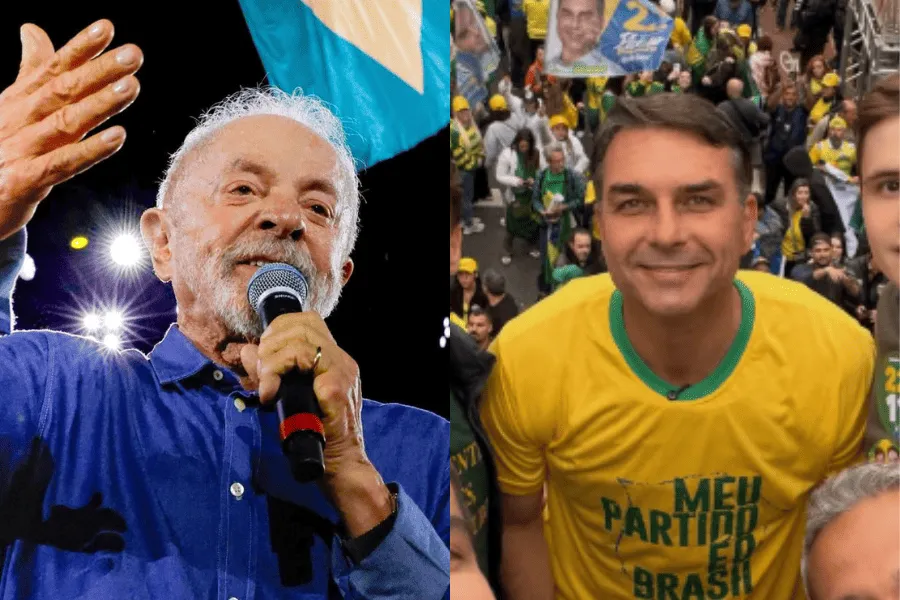
Analysts say Sunday's presidential runoff between Lula da Silva and Flavio Bolsonaro is unpredictable and could reshape South America's geopolitical alignment.
KEY POINTS
- Sunday's presidential runoff pits Luiz Inacio Lula da Silva against Flavio Bolsonaro
- Analyst Raul Sohr describes the race as a technical tie and a box of surprises
- The campaign has featured digital confrontation and questions about possible US intervention
- Brazil has more than 220 million inhabitants and an economy equivalent to the rest of South America combined
- Renan Santos led under-24 polling with 36 percent earlier this year despite winning only 2 percent in the first round
Brazil faces a presidential runoff on Sunday between Luiz Inacio Lula da Silva and Flavio Bolsonaro, described by international analyst Raul Sohr as a technical dead heat that will only be resolved when ballot boxes are opened. Sohr warned that the outcome will extend far beyond Brazil's borders and could reconfigure the balance of power in Latin America and its relationship with the United States.
The campaign has been marked by a confrontational climate, particularly in digital spaces, and by questions over possible US intervention to favor Flavio Bolsonaro's candidacy. Sohr described the situation in Brazil as quite stormy, especially regarding what is seen as American intervention to guarantee Bolsonaro's victory, and said a hard-fought battle has unfolded on social networks.
Sohr emphasized that Brazil's internal decisions are a determining factor for all of South America because of its demographic and economic magnitude. He cited former US president Richard Nixon's statement that Latin America, and specifically South America, will go where Brazil goes. Brazil has more than 220 million inhabitants, and its economy is equivalent to the rest of all South American countries combined.
UnHerd characterized the runoff as the most vacuous contest in living memory, noting that Lula, an octogenarian, talks mostly about past achievements while Flavio, aged 45, principally wants to get his father, disgraced former president Jair Bolsonaro, out of jail. Flavio appears most likely to prevail, to the delight of US interests from Donald Trump to Big Tech.
A new political force, the Missao party led by former student activist Renan Santos, offers the possibility that the current political settlement may not hold forever. Although Renan was eliminated in the first round with 2 percent of the vote, he had led the field among under-24 voters with 36 percent in polling earlier this year. He said there has never been so much polarization alongside so little debate, and that political alignment has become automatic.
South America is now dominated by conservative governments that, despite their differences, adopt MAGA-like themes and are friendly to the US president. The election also raises questions about how Brasilia can respond to Donald Trump's assertion of dominion over Latin America, how Brazil can leverage its large rare earth mineral deposits, and how it will work with China and the BRICS group.
2 more sources below
COMMENTS (0)
No comments yet. Be the first.
RELATED STORIES
IMSS Restricts Modalidad 40 Salary and Retroactive Payments
Mexico's social security institute limits voluntary contribution salary and ends retroactive enrollments.

APC Accuses Atiku of Disinformation Plot Ahead of Kaduna Rally
The ruling party alleges a coordinated campaign of fake news and deepfakes to undermine President Tinubu's campaign launch in Kaduna.
Federal appeals court rules detained immigrants have no bond rights
The 5th U.S. Circuit Court of Appeals ruled that immigrants detained without bond are not entitled to due process hearings under the Constitution.
- Eastleigh Building Collapse Leaves People Trapped as Probe Begins
- Rubio urges Cubans to cooperate with CIA; Havana mocks recruitment call
- Delhi High Court to Rule Tomorrow on Neha Bora Peace Bond Plea
- Melania Trump Brokers Local Ceasefire in Oleshky for Aid Delivery
- Lula and Flávio Bolsonaro Clash Over Public Debt in TV Globo Debate
This page was compiled with AI assistance from the outlets named above and passed an automated language check before publication. Montegre has no reporters of its own; the byline names the outlets the story was compiled from. Method and editorial standards