Lula and Flávio Bolsonaro Clash Over Public Debt in TV Globo Debate
The presidential candidates disputed family indebtedness, interest rates, and criminal factions during Friday's debate.
KEY POINTS
- Lula and Flávio Bolsonaro debated public debt on TV Globo on October 23
- Flávio stated public debt reached 11 trillion reais and proposed a 7 percent interest rate
- Lula defended a new Desenrola stage with discounts up to 95 percent and 150 billion reais in volume
- Flávio wants to classify PCC, Comando Vermelho, and militias as narcoterrorist organizations
- Both candidates agreed on minimum wage and pension adjustments above inflation and free weekend public transport
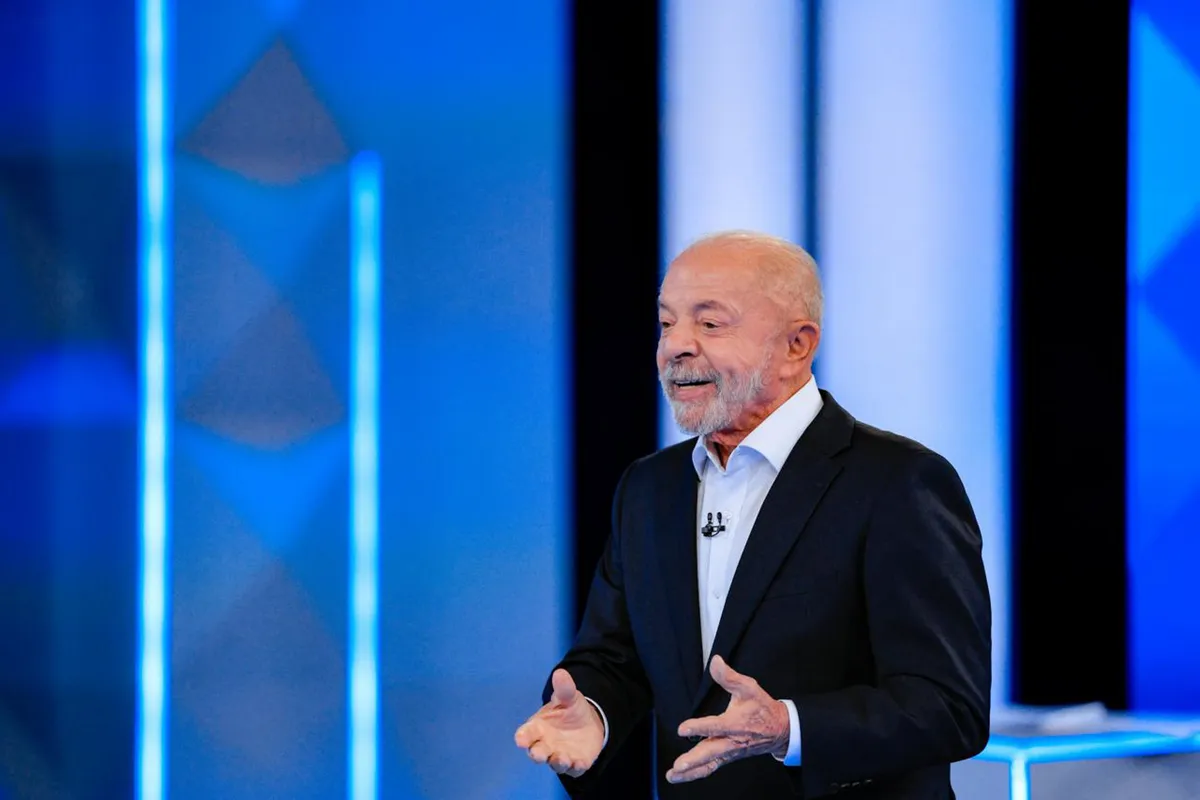
President Luiz Inácio Lula da Silva and Senator Flávio Bolsonaro clashed over public debt and family indebtedness during the TV Globo presidential debate on Friday, October 23. The debate took place two days before the second round of the 2026 elections.
Flávio Bolsonaro opened the block by choosing family indebtedness as his topic. He accused the government of excessive spending and stated that public debt had reached 11 trillion reais. He also held high interest rates and government expenses responsible for the financial situation of Brazilian families.
“Instead of asking me, answer why you made the Central Bank independent?”
Lula responded by shifting the discussion to monetary policy and the autonomy of the Central Bank. He asked why his opponents had made the Central Bank independent during Jair Bolsonaro's government. The president defended his administration's credit and debt renegotiation policies.
On debt renegotiation, Lula defended a new stage of the Desenrola program. He said the government plans to hold auctions to acquire bank debts with discounts that could reach 95 percent. The initiative could move up to 150 billion reais.
Flávio Bolsonaro argued that the basic interest rate should be at 7 percent per year. He also promised a program to buy and renegotiate debts for individuals and legal entities, aiming to refinance debts and improve the financial conditions of families and companies.
The third block also covered full-time education and the retaking of territories dominated by organized crime. Flávio proposed classifying the PCC, Comando Vermelho, and militias as narcoterrorist organizations and promised tougher sentences. Lula accused his rival of making promises without results and defended strengthening federal police forces.
Despite their differences, both candidates committed to adjusting the minimum wage and pensions above inflation. They also agreed on the proposal for free public transportation on weekends.
2 more sources below
COMMENTS (0)
No comments yet. Be the first.
RELATED STORIES
Delhi High Court to Rule Tomorrow on Neha Bora Peace Bond Plea
AISA president Neha Bora challenges a police notice requiring a ₹10,000 peace bond after her October 16 protest.
Melania Trump Brokers Local Ceasefire in Oleshky for Aid Delivery
First Lady Melania Trump has negotiated a temporary ceasefire in the Russian-occupied Ukrainian city of Oleshky to allow humanitarian aid and civilian evacuations.
Fake pollsters shake trust ahead of U.S. midterms
Two fabricated polling operations have undermined confidence in election surveys as campaigns head toward the midterm elections.
- El Salvador deploys troops to Haiti to rescue four kidnapped aviation technicians
- Man convicted of murder and rape 14 years after UNC student's death
- Söder backs Aigner for German presidency and urges centre to fight extremists
- Security and regional cooperation highlighted at Malatya panel on terror-free Turkey
- Lula and Flávio Bolsonaro face off in final presidential debate before runoff
This page was compiled with AI assistance from the outlets named above and passed an automated language check before publication. Montegre has no reporters of its own; the byline names the outlets the story was compiled from. Method and editorial standards