Chile to Drop Security Reform, Back Senate Alternative
President Kast agrees to withdraw his constitutional security bill and support a cross-party Senate proposal, but Socialist leader Vodanovic rejects involvement.
KEY POINTS
- President Kast agrees to withdraw his constitutional security reform after meeting with congressional leaders.
- Government will support alternative Senate proposal by Araya, Squella, and Longton.
- New plan keeps organized crime condemnation and differentiated prison regimes, drops new state of exception.
- Socialist leader Paulina Vodanovic denies involvement and says she was not invited to talks.
- Kast urges opposition to join; formal withdrawal expected next week.
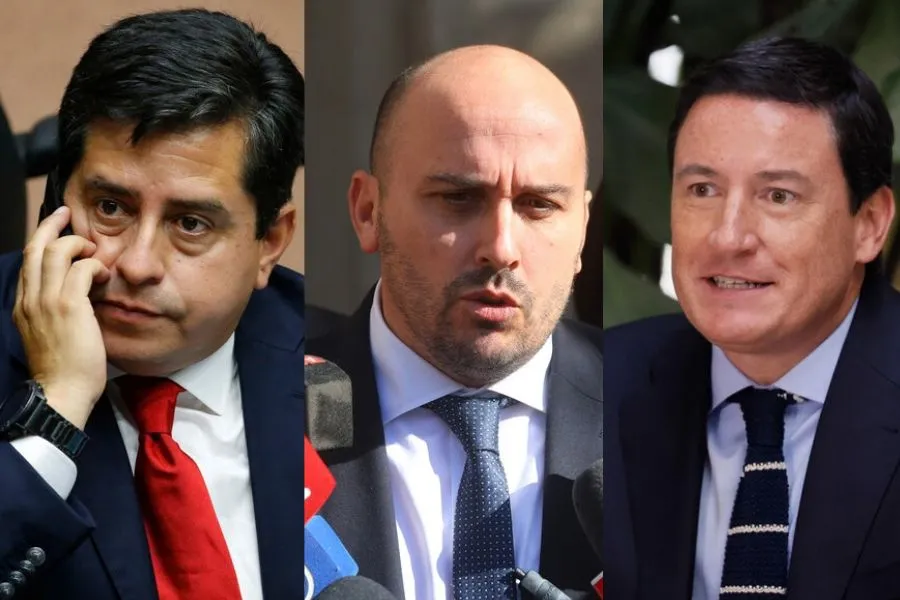
President José Antonio Kast met with Senate and Chamber leaders at Cerro Castillo on Wednesday and agreed to withdraw his administration's constitutional security reform, which lacked congressional support. The government will instead back a new proposal drafted by senators Pedro Araya (PPD), Arturo Squella (Republican Party), and Andrés Longton (RN).
The alternative plan retains two elements from the original bill: constitutional condemnation of organized crime and differentiated prison regimes for Gendarmerie. It drops the proposed new state of exception, replacing it with modifications to the existing state of emergency for public security threats.
“What matters to us is defeating organized crime. Who gets credit for a law and a reform? The truth is I don't care and I think Chileans don't either.”
Socialist Party president and senator Paulina Vodanovic angrily denied participation in the agreement hours later. She stated she only learned of the text Tuesday afternoon and was not invited to the negotiations, contradicting suggestions her 2024 prison reform initiative had been incorporated.
Kast, speaking in Antofagasta, urged Vodanovic and the opposition to join the effort, saying authorship of the law does not matter. He confirmed the withdrawal could happen next week once the alternative is formally presented.
The government needs 29 Senate votes for approval, three more than its coalition holds, making support from parts of the Democratic Socialism bloc essential. Araya said the formal withdrawal could occur next week.
2 more sources below
TOPICS
COMMENTS (0)
No comments yet. Be the first.
RELATED STORIES
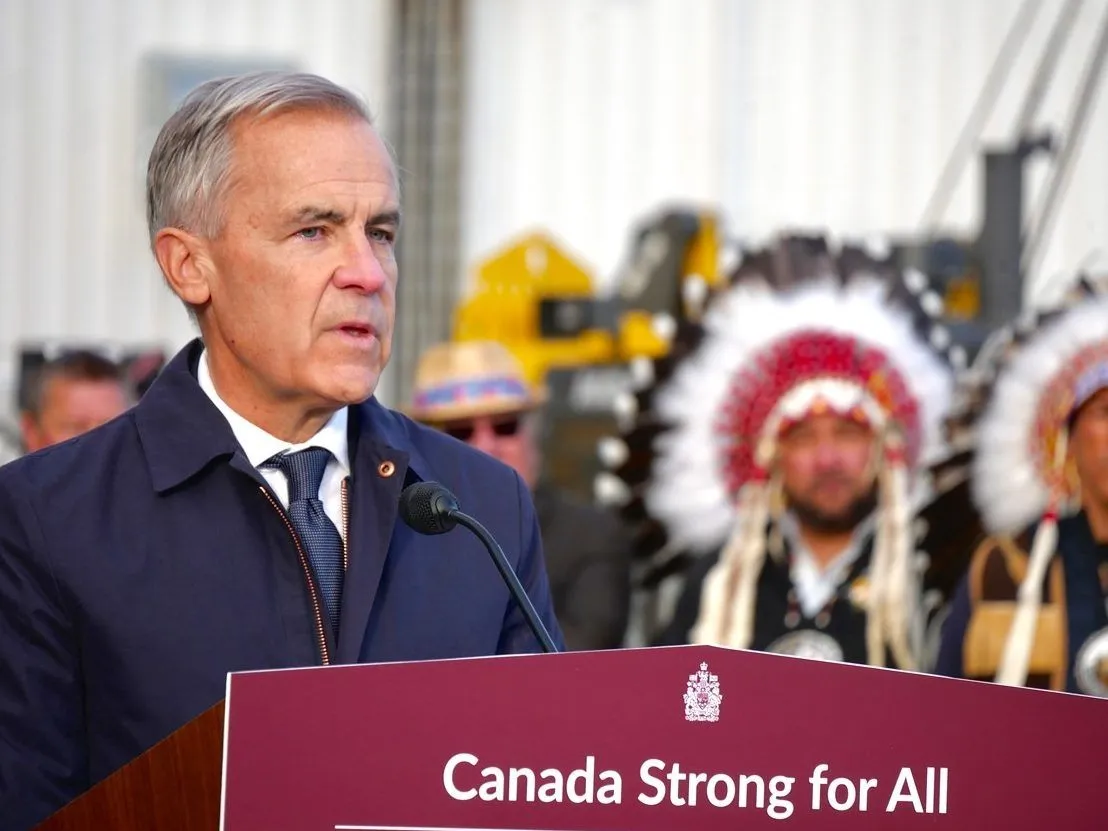
Canada designates Pacific Link pipeline a national interest project
Ottawa accelerates Alberta-to-coast oil pipeline under new Building Canada Act, but approval and Indigenous consent remain unresolved.

Kushner Firm's Israeli Defence Stake Raises Conflict Concerns
CNN investigation finds Affinity Partners is largest shareholder in Phoenix Financial, which holds hundreds of millions in Israeli arms makers.

ICE bans high-speed chases, tightens traffic stop rules after shootings
New internal memo bars pursuits and requires special training for vehicle stops following fatal encounters.
- Putin Blames NATO Yugoslavia Attack for Global Tensions at Valdai Forum
- Carney Designates Pacific Link Pipeline a National Priority
- US Deploys 9,000 Troops, Third Carrier to Mideast as Trump Warns Iran
- Spain housing decrees face knife-edge vote as Junts holds key
- Renee Good's family sues Trump administration over fatal ICE shooting
This page was compiled with AI assistance from the outlets named above and passed an automated language check before publication. Montegre has no reporters of its own; the byline names the outlets the story was compiled from. Method and editorial standards