Colombia's 2016 Peace Deal Faces Implementation Delays Ten Years On
The Ombudsman's Office says institutional gaps persist as former President Santos criticizes the current administration's security approach.
KEY POINTS
- Ombudsman's Office will present a ten-year compliance report on the 2016 Peace Agreement this week
- Protection of peace signatories, victim assistance, and integral development are the most critical delayed points
- Ombudsman Iris Marín Ortiz says the current conflict is not attributable to the 2016 agreement
- Former President Juan Manuel Santos criticized current President Abelardo de la Espriella's security approach at a Rosario University forum
- The agreement was signed on November 24, 2016, at the Colón Theater and faces budgetary, ideological, and perception challenges
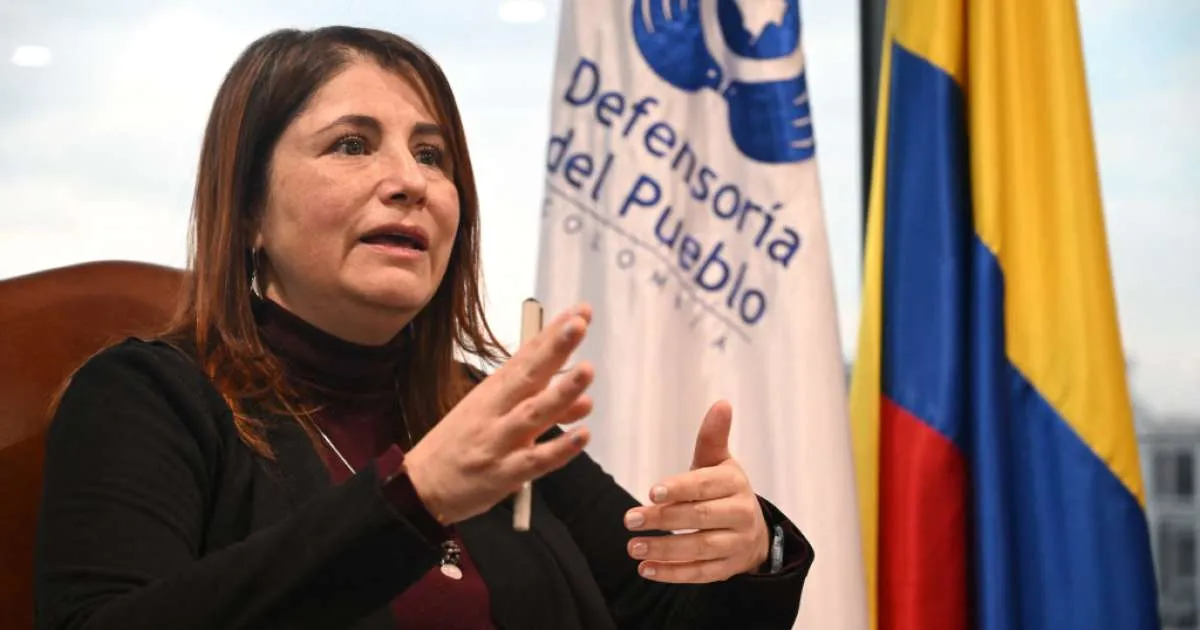
Colombia's Ombudsman's Office will present a report this week assessing ten years of compliance with the 2016 Peace Agreement signed with the former FARC guerrilla. Ombudsman Iris Marín Ortiz said the country created the necessary institutions to implement the accord, but fulfillment remains delayed. Protection of peace signatories, victim assistance, and integral development are among the most critical points.
Marín Ortiz stated that the country's current conflict situation is not a consequence of the 2016 agreement and should not be used as a reason to set aside its implementation. She described peace as having a mystical component and a mechanical component, explaining that a beautiful discourse must be converted into resources, instruments, and institutions.
“Ten years later we are seeing a president walking among corpses, showing them with pride or signing bombs as if they were gifts.”
The agreement was signed on November 24, 2016, at the Colón Theater. It now faces budgetary, ideological, and perception challenges in a different political and fiscal context. Several administrations have passed through the Casa de Nariño since the process architect, ranging from institution-building to defunding amid budget cuts.
Former President Juan Manuel Santos addressed the changes during a forum at Rosario University supported by El Espectador. He described current President Abelardo de la Espriella as walking among corpses, showing them with pride, or signing bombs as if they were gifts. Santos said he hopes this does not send a message to return to the past.
Santos also referred to military operations called Azarías carried out in Miraflores. Other participants in the forum included former Vice President Óscar Naranjo, JEP President Danilo Rojas, Ombudsman Iris Marín Ortiz, UN Verification Mission chief Miroslav Jenca, and victims' representatives.
The forum served as a comparative X-ray to understand the country left by the agreement's signing. Polarization remains a constant from the narrow plebiscito margin and this year's presidential elections.
3 more sources below
COMMENTS (0)
No comments yet. Be the first.
RELATED STORIES
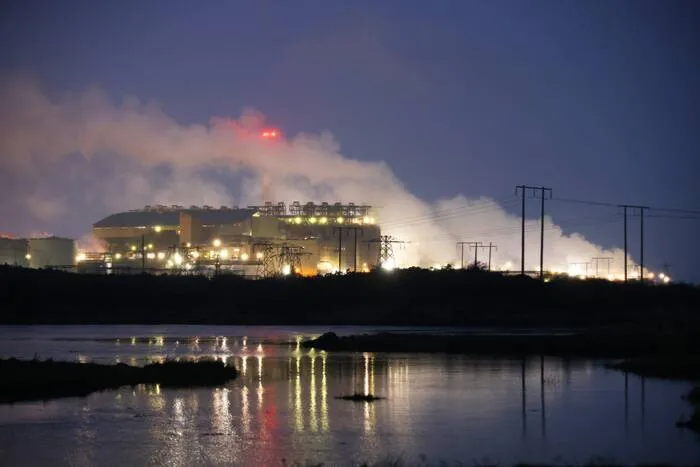
Ireland faces pressure over alumina shipments to Russia amid Ukraine war
European leaders meeting in Dublin urge Ireland to halt alumina exports that may support Russia's military production.
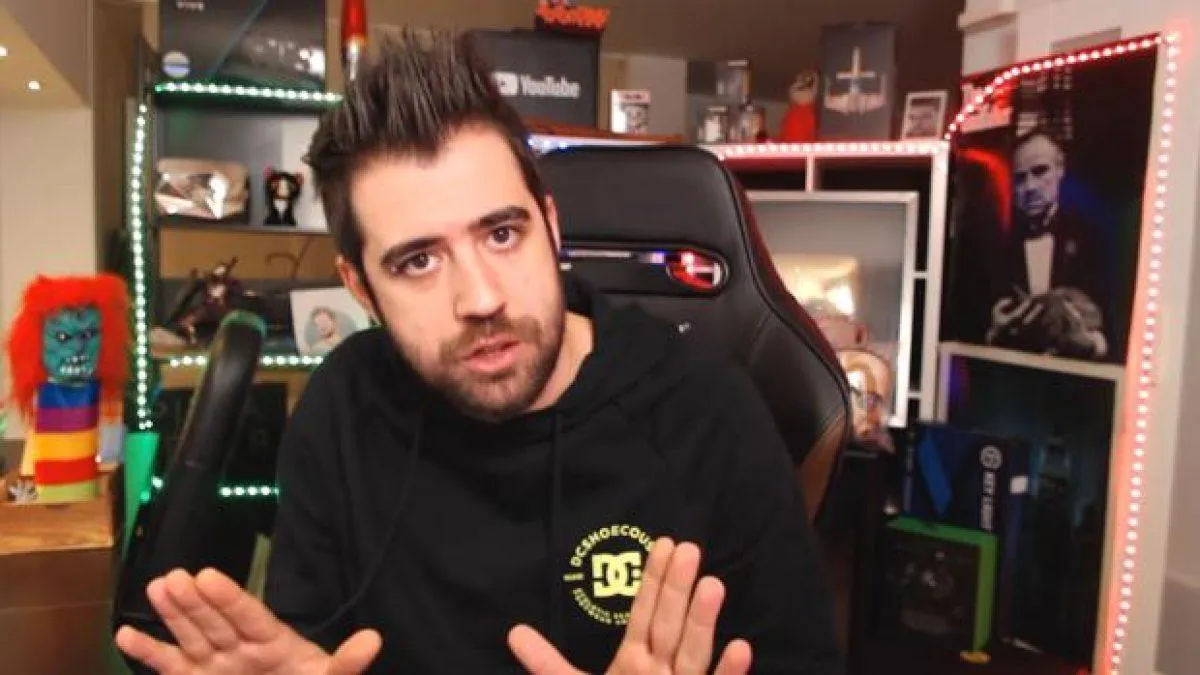
Spanish YouTubers condemn Vox after Abascal cancels Wild interview
Vox candidate Santiago Abascal withdrew from a planned interview with Jordi Wild, prompting criticism from fellow creators.
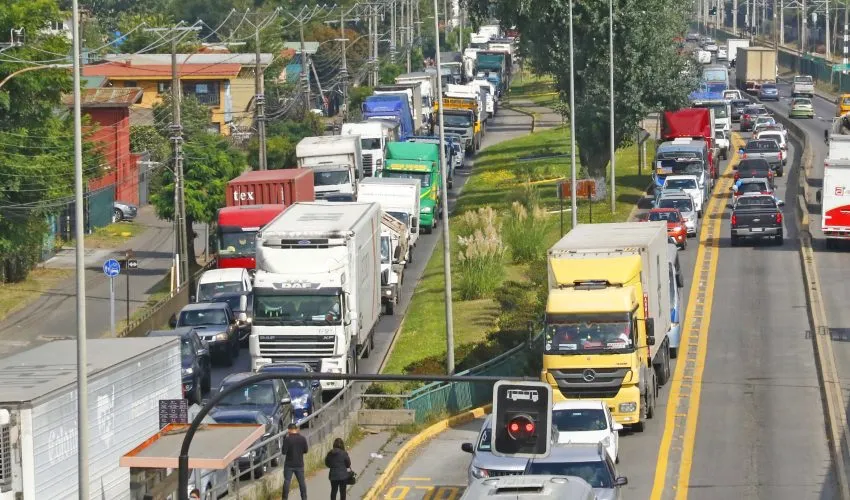
Chile Freezes Fuel Prices Until February to End Trucker Strike
The government withdraws its fuel bill and promises a price freeze through early February as negotiations with transporters continue.
- Education Minister Tekin Seeks Handshakes, Opposition Refuses During Budget Talks
- Spain equates single-parent families with large families in new decree
- Argentina government pushes electoral reform in Senate ahead of November 30 deadline
- Scott Colom becomes Mississippi's first Black senator elected by voters in 150 years
- Defendants Seek Release in Istanbul Municipality Corruption Trial
This page was compiled with AI assistance from the outlets named above and passed an automated language check before publication. Montegre has no reporters of its own; the byline names the outlets the story was compiled from. Method and editorial standards