Deadly mudslide hits Santiago's Las Condes after heavy rain
At least six injured as torrential floods sweep vehicles and inundate clinics and universities in eastern Santiago.
KEY POINTS
- Mudslide hit Las Condes, Santiago, on Oct 8 after heavy rain activated Quebrada Honda ravine
- Six people injured, including a one-year-old child; no deaths reported as of Oct 9
- President Kast declared catastrophe zone; Senapred issued Red Alert for 10 communes
- Rainfall reached 144 mm in places, far above the 38–102 mm seasonal norm
- Prior warnings from Sernageomin, Catholic University and Las Condes municipality flagged high risk
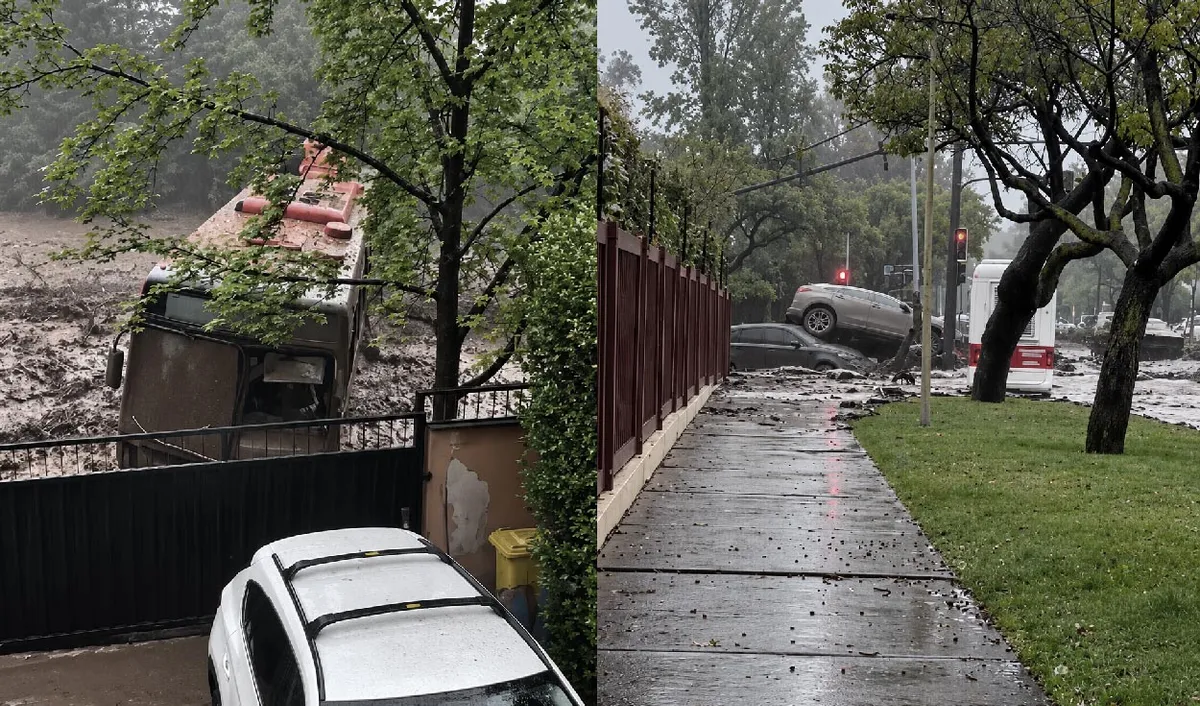
A violent mudslide struck the San Carlos de Apoquindo sector of Las Condes, eastern Santiago, on Thursday afternoon after intense rainfall activated the Quebrada Honda ravine. A torrent of water, mud, rocks and tree trunks surged down streets including General Blanche and Camino El Alba around 5:00 p.m., dragging private cars and a public RED system bus while flooding homes, commercial premises, universities and medical facilities.
President José Antonio Kast declared Las Condes a catastrophe zone, enabling emergency contracting and faster resource deployment. Presidential delegate Germán Codina confirmed six injuries, including a one-year-old child with a fracture. The National Disaster Prevention and Response Service (Senapred) issued a Red Alert for ten metropolitan communes.
“We have never seen anything like this before”
Rainfall far exceeded seasonal norms. The Tobalaba weather station recorded over 120 mm by Wednesday noon, against a normal August–October range of 38–102 mm. Some areas received 144 mm on Thursday alone. Saturated soils from prior rains, an unusually high zero-degree isotherm turning snow to rain, and vegetation loss from January wildfires amplified runoff.
Multiple warnings had preceded the disaster. A February Sernageomin report flagged "high danger of mass movements" after a January fire and mudslide. A May lawsuit by the Catholic University warned of "imminent" mudslide risk. A June municipal document noted "increased alluvial risk." The Prosecutor's Office opened a criminal investigation on Friday.
Experts say the event reflects structural vulnerabilities. Geographer Ignacio Ibarra cited the interaction of trigger factors (concentrated rain) and conditioning factors (saturated slopes, basin geometry, fire scars). Geologist Francisca Roldán argued the emergency was not unforeseeable, citing deficient investment, territorial planning and early-warning systems.
9 more sources below
COMMENTS (0)
No comments yet. Be the first.
RELATED STORIES

Turkey Raises Iller Bank Capital to 250 Billion Lira; Approves Energy Expropriations
Presidential decrees published in the Official Gazette increase the municipal lender's capital and authorize urgent expropriations for three power transmission projects.
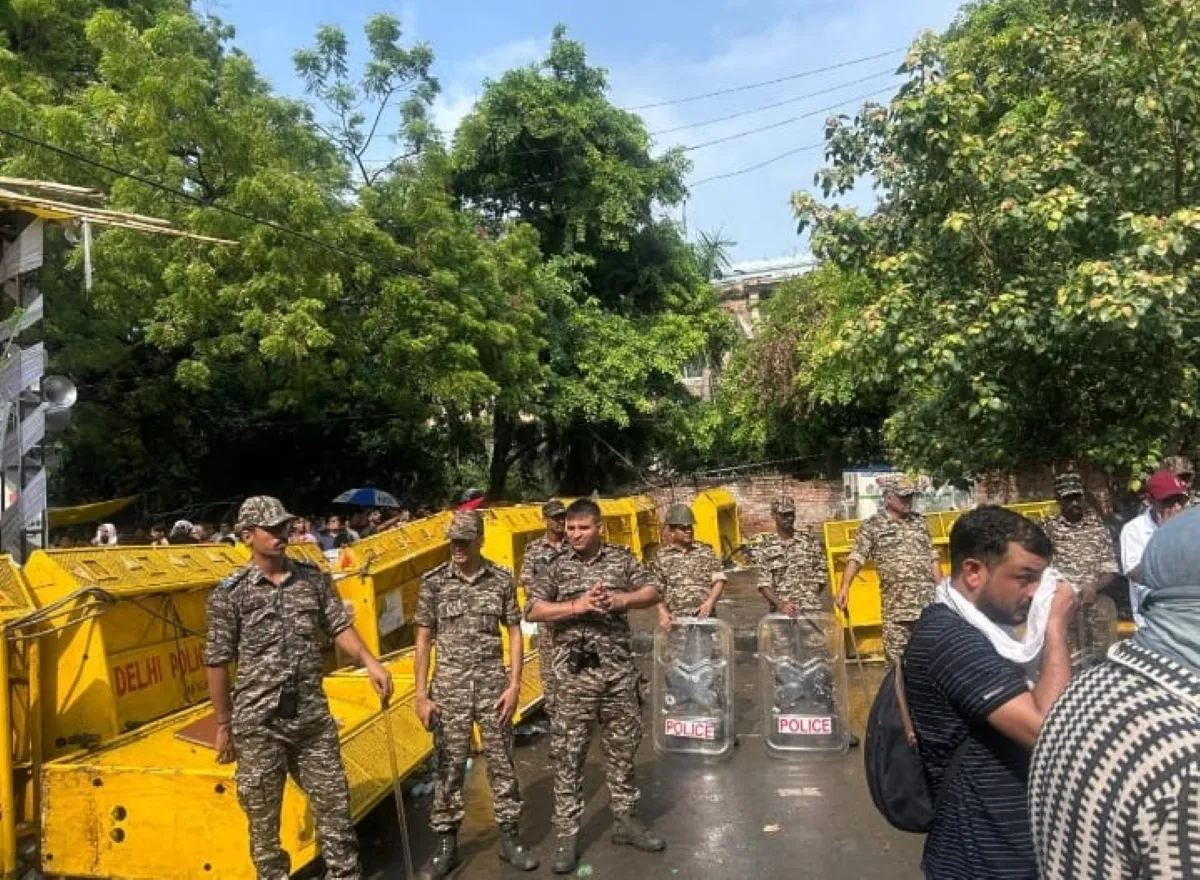
Delhi locks down ahead of CJP protest; trains cancelled, metro shut, thousands detained
Authorities deploy up to 35,000 personnel, cancel over 250 trains and close 45 metro stations to block a demonstration demanding the election chief's resignation.

US sanctions ICC itself in major escalation hours after ex-judge wins Nobel Peace Prize
The Trump administration targets the International Criminal Court as an institution, banning transactions and freezing assets, drawing condemnation from allies and the UN.
- Trump Announces Deal With Putin for Massive Russian Diesel Imports
- Rubio at Pnyx urges West to reclaim heritage, signals 2028 ambitions
- Magnitude 7.6 Quake Hits Panama, Triggers Pacific Tsunami Alert for Nine Nations
- Turkey Opens 153-km Cerkezkoy-Kapikule High-Speed Rail Link to Bulgaria
- Evicted 87-year-old Maricarmen dies, sparking political clash in Madrid
This page was compiled with AI assistance from the outlets named above and passed an automated language check before publication. Montegre has no reporters of its own; the byline names the outlets the story was compiled from. Method and editorial standards