ECB Holds Rates Steady as Lagarde Announces Early Departure in February
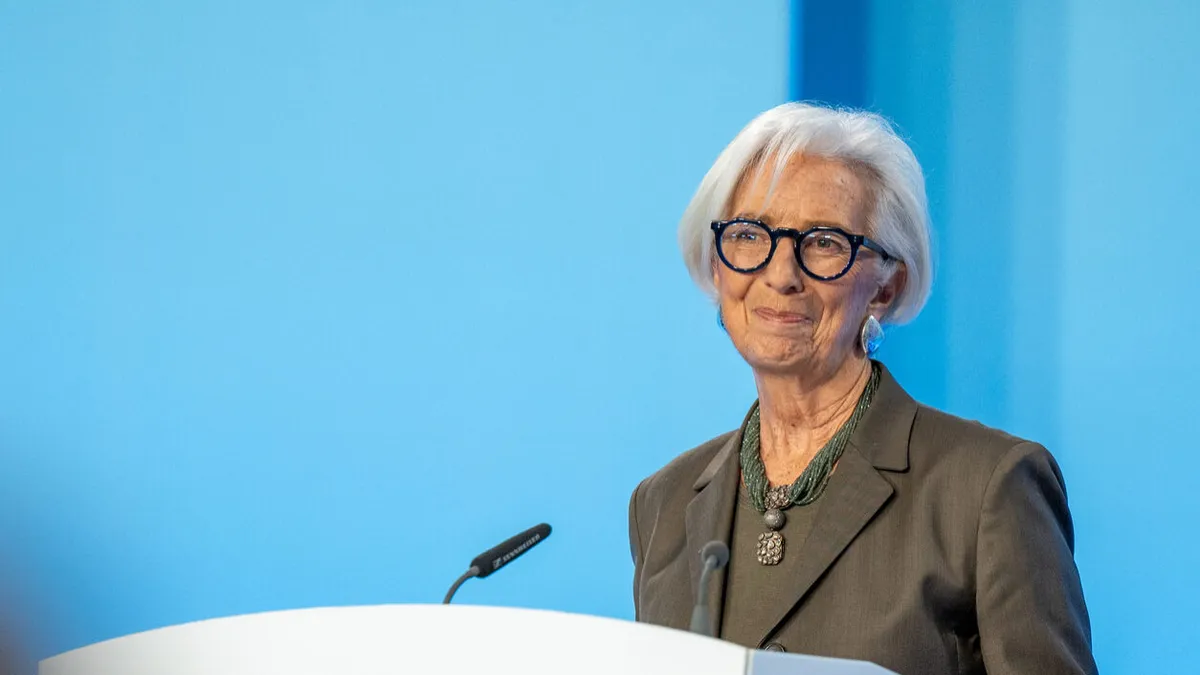
Christine Lagarde says she will leave the ECB presidency in February because she can no longer remain neutral, while the bank keeps interest rates unchanged.
KEY POINTS
- Lagarde will leave the ECB presidency in February, nine months before her term ends
- ECB keeps deposit rate at 2.50 percent and main refinancing rate at 2.65 percent
- Policymakers discussed raising rates but held them unanimously
- Eurozone inflation reached 3.8 percent in September, with energy prices up 18.9 percent
- Lagarde says she can no longer remain neutral as central banker
Christine Lagarde announced she will step down as president of the European Central Bank in February, about nine months before her term ends. She said she can no longer accept the neutrality expected of central bankers, which she described as the price of their independence.
The ECB kept its main interest rates unchanged on Thursday. The deposit rate remains at 2.50 percent, the main refinancing operations rate at 2.65 percent, and the marginal lending facility rate at 2.90 percent.
Lagarde said policymakers had seriously discussed raising rates but decided unanimously to hold them steady. She added that the pause might last only until December, when the ECB is likely to develop new scenarios.
Energy prices and long-term borrowing costs were the main reasons behind the debate. Eurozone inflation rose to 3.8 percent in September, with energy prices up 18.9 percent from a year earlier, while the average yield on ten-year eurozone government bonds increased by about 35 basis points since the September projections.
Lagarde said wage growth is expected to be between 2.5 and 2.8 percent for the remaining months of 2026. She also said most long-term inflation expectations remain close to 2 percent and that there are no signs of second-round effects beyond projections.
She warned that risks to inflation are on the upside and that early stages of the price chain point to upward pressure. Lagarde added that the subsequent decline in energy inflation should reduce overall inflation.
2 more sources below
COMMENTS (0)
No comments yet. Be the first.
RELATED STORIES
Canada Unveils First National Security Strategy in Over 20 Years
Ottawa's new plan identifies eight strategic sectors and prepares for threats including major war.
Philippine business groups demand removal of unjustified budget insertions in proposed 2027 national budget
Thirty-five business and civil society groups urge Congress to scrap budget insertions lacking technical basis and restore funding for foreign-assisted and transport infrastructure projects.

Sheinbaum opens robotic Mercado Libre center and Carnot plant in Hidalgo
Mexico’s president and Hidalgo’s governor inaugurated industrial projects during her seventeenth state visit.
- Storm recovery costs exceed 3 billion euros under recovery plan
- Iran declares Strait of Hormuz closed after tanker mine strike
- Intel beats Q3 revenue estimates but warns of PC slowdown
- Kayseri September exports rise 10 percent to 355 million dollars
- Colombia's Economic Rescue Bill Reaches Congress Amid Fiscal Crisis
This page was compiled with AI assistance from the outlets named above and passed an automated language check before publication. Montegre has no reporters of its own; the byline names the outlets the story was compiled from. Method and editorial standards