El Nino drives record Pacific heat in September, EU monitor says
Copernicus reports unprecedented sea-surface temperatures in the key Nino 3.4 region, though scientists debate whether this episode surpasses historic peaks.

KEY POINTS
- Nino 3.4 region hit 29.70°C in September, a monthly record
- Global sea-surface temperature reached 21.05°C, beating September 2023
- Japan's weather agency reported a +4.0°C anomaly, a new record
- Copernicus says current El Nino is exceptionally strong but not yet the strongest ever
- Event declared in June, expected to peak later in 2026
The Copernicus Climate Change Service reported on Monday that sea-surface temperatures in the Pacific's Nino 3.4 monitoring region reached 29.70°C in September, an all-time high for the month that exceeds peaks during the powerful El Nino events of 1982-83, 1997-98 and 2015-16.
Global ocean temperatures outside polar regions also hit a September record of 21.05°C, surpassing the previous mark of 20.92°C set in September 2023. The current El Nino episode, declared in June, is still strengthening and has not yet reached its expected peak later this year.
“The values observed in September point to an already exceptionally strong El Nino, especially given that the event has not yet reached its peak.”
Japan's Meteorological Agency said on Friday that the temperature anomaly in its reference zone reached +4.0°C above normal, breaking the previous record of +3.6°C from December 1997. The agency described the event as having reached the strongest intensity on record.
Copernicus cautioned, however, that it cannot yet declare this the strongest El Nino ever recorded. The agency noted that a new index accounting for long-term ocean warming suggests the current event is not yet stronger than past ones, complicating direct historical comparisons.
Forecasters warn the intensifying pattern increases risks of floods, droughts, extreme heat and crop losses worldwide in the coming months.
2 more sources below
COMMENTS (0)
No comments yet. Be the first.
RELATED STORIES

Hurricane Isaias Hits Florida Panhandle, Leaves 448,000 Without Power
Category 2 storm made landfall near Destin Friday night; four deaths reported across two states as recovery efforts continue.
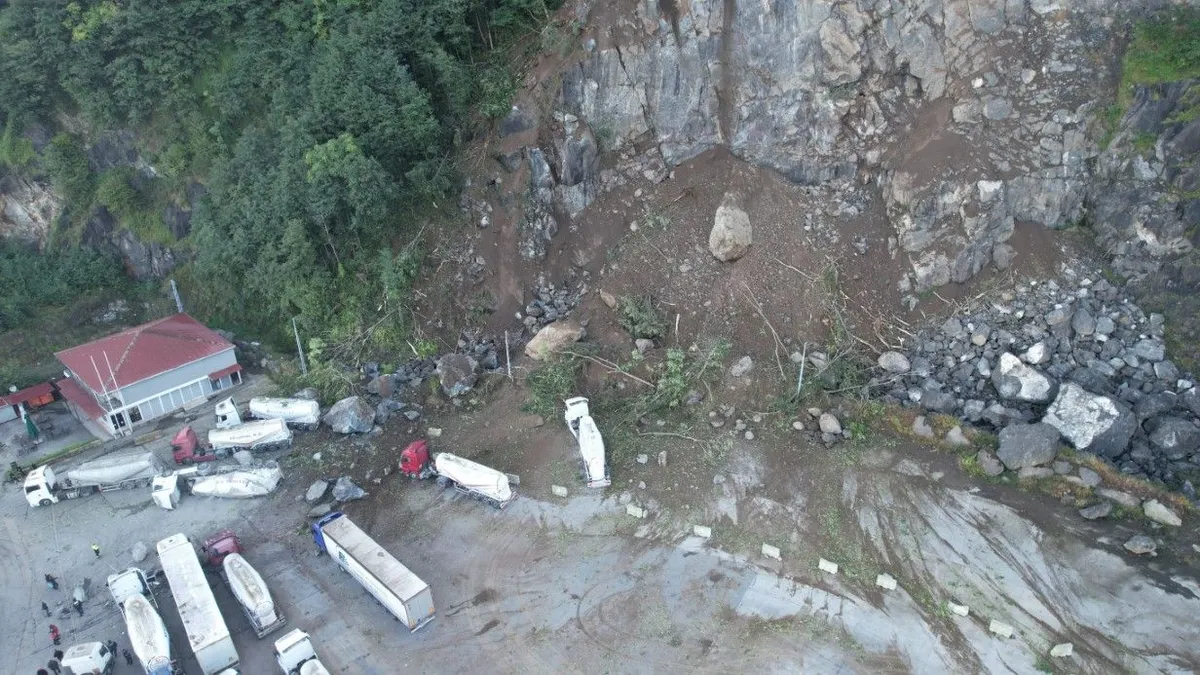
Landslide kills one, damages trucks in Hopa; experts warn of rising risk
Heavy rain and steep terrain fuel deadly slide in Artvin as KTU dean cites three key danger factors.

Google's $15 Billion AI Data Centre in India Sparks Land and Water Protests
Farmers and activists oppose the Vizag mega-project over resource strain and compensation disputes as excavation begins.
- Ovalle Launches South America's Second Fully Electric Bus Fleet
- Greece, Albania, North Macedonia Sign Joint UNESCO Bid for Prespa Lakes
- Ukraine advances near Lyman with drones and robots in Operation Vivaldi
- Hurricane Simon Strengthens to Category 4, Threatens Mexico's Pacific Coast
- Deadly mudslide hits Santiago's Las Condes after heavy rain
This page was compiled with AI assistance from the outlets named above and passed an automated language check before publication. Montegre has no reporters of its own; the byline names the outlets the story was compiled from. Method and editorial standards