EU delays methane reporting rules for energy importers by two years
EU negotiators postponed methane monitoring and reporting obligations for oil, gas and coal importers until 2029 and 2030.
KEY POINTS
- EU governments and Parliament agreed a two-year delay for methane rules on energy importers
- Importers must prove equivalent monitoring standards for contracts from May 2030
- Methane intensity reporting is moved from August 2029 to August 2030
- The Commission will review implementation by January 2028 and any further delay needs a new law
- Campaigners warn 24 billion cubic metres of methane will leak during the extra delay
EU governments and the European Parliament reached a provisional agreement in the early hours of 19 November to delay methane monitoring and reporting rules for oil, gas and coal importers by two years. The delay is twice as long as the one-year postponement originally proposed by the European Commission.
Under the deal, importers will have until May 2030 to prove that supply contracts concluded or renewed since 4 August 2024 cover only fuel subject to monitoring, reporting and verification measures equivalent to EU rules. The same deadline applies when importers report on efforts to bring older contracts into line.
“Despite the delay, the integrity of the regulation is preserved in the final deal”
EU producers and importers must now report the methane intensity of fossil fuels sold in the EU market by 5 August 2030, instead of the originally planned date of 5 August 2029. EU oil and gas operators will have until 5 February 2029 to submit verified reports for operated assets, and until 5 August 2030 for non-operated assets.
The Commission will review implementation and security of supply by 1 January 2028 and every five years thereafter. Any further delay would require a whole new methane law, ruling out the option pushed by member states to extend the delay again.
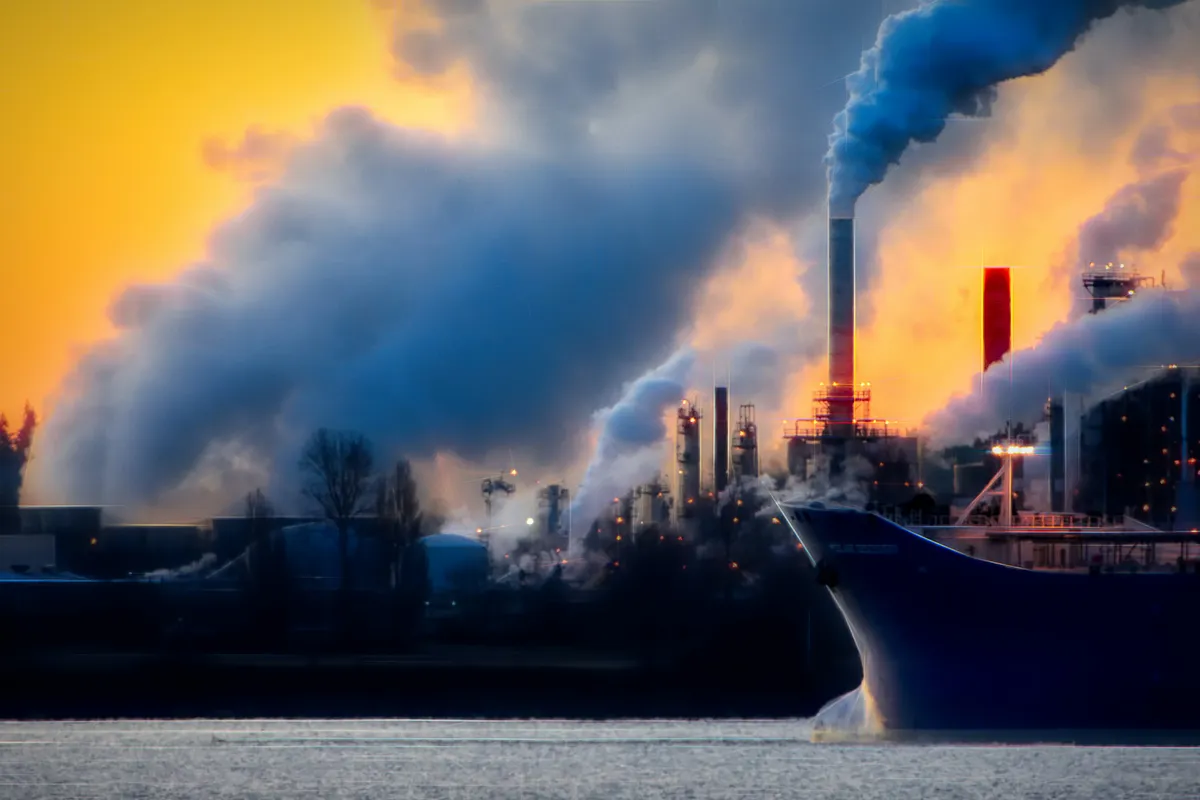
Governments said the delay was needed because of supply risks and concerns over high fuel prices after the US-Israeli war on Iran disrupted Gulf oil and gas supplies. Methane traps around 80 times more heat than carbon dioxide over 20 years, and much of it leaks from wells, pipelines and coal mines.
Léa Pilsner of Environmental Defense Fund Europe said the integrity of the regulation is preserved in the final deal. She added that governments had bought themselves two years the regulation never needed, and that 24 billion cubic metres of methane will leak into the atmosphere during the extra two-year delay.
3 more sources below
COMMENTS (0)
No comments yet. Be the first.
RELATED STORIES

PSD asks Supreme Court to overturn Zanin ruling and hold Rio runoff
PSD challenges Justice Cristiano Zanin's rejection of its request for a second round in Rio de Janeiro's gubernatorial election.
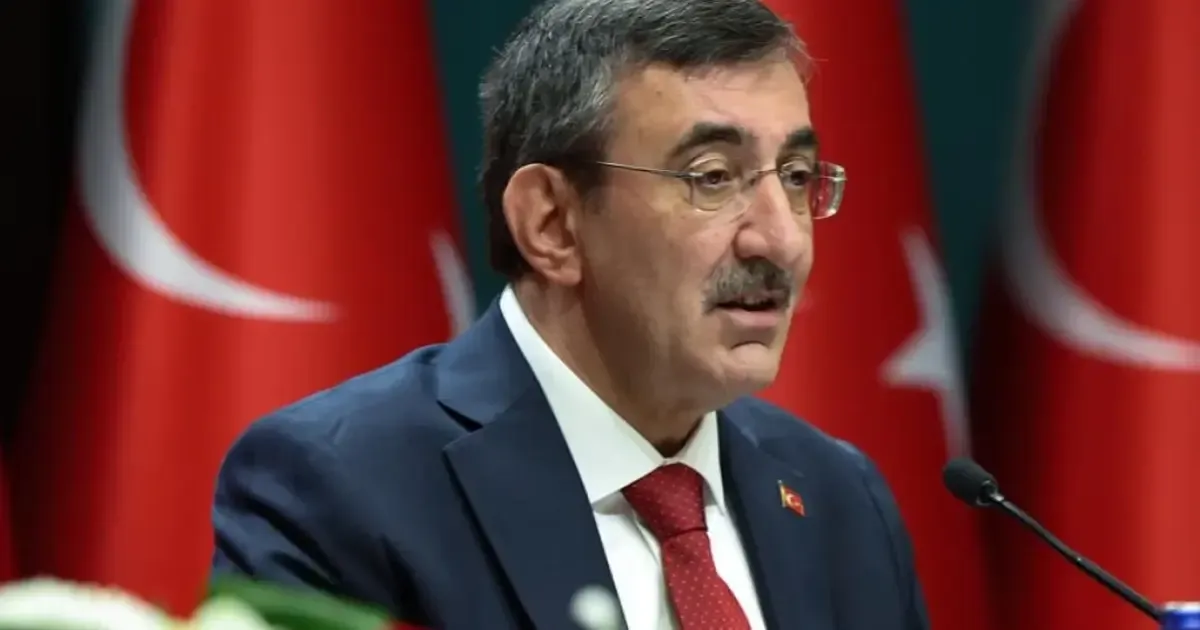
Turkey's Vice President Cevdet Yılmaz Visits Uzbekistan for Business Council Meeting
Cevdet Yılmaz holds talks in Tashkent with Uzbek President Shavkat Mirziyoyev and senior officials.
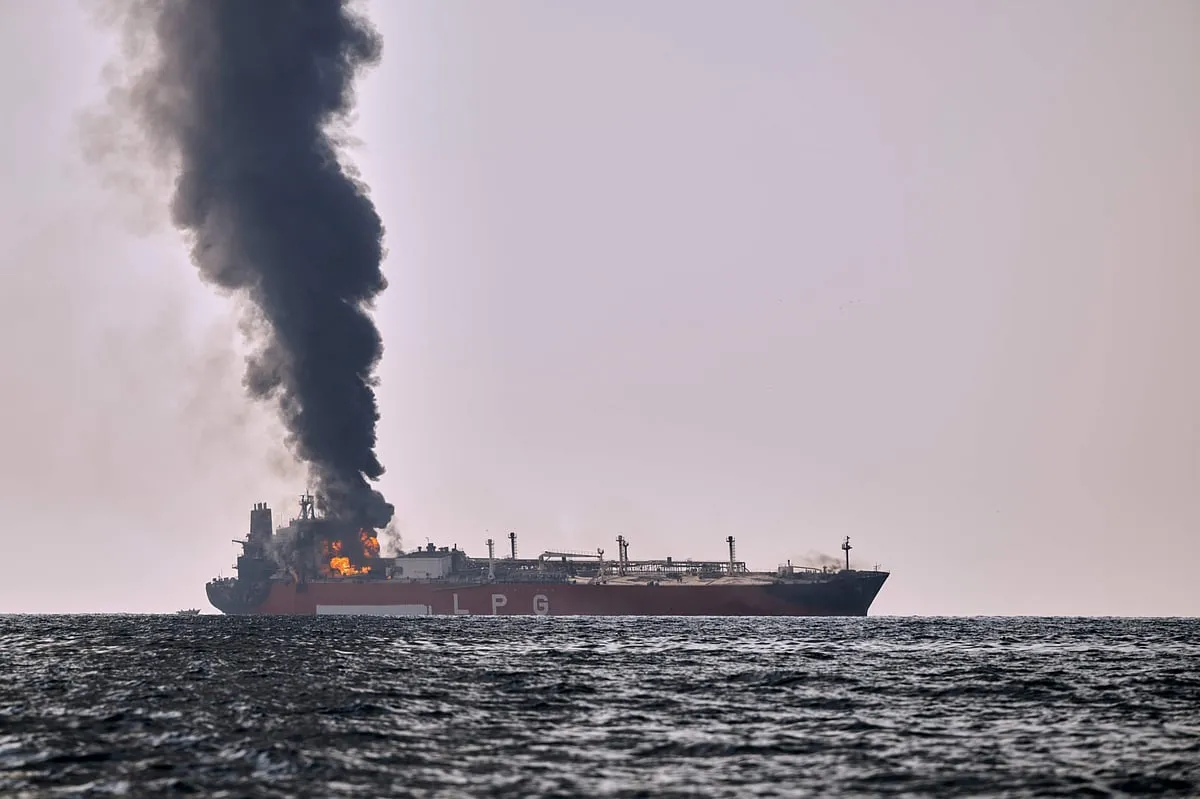
Iran prepares 14 tankers to challenge US blockade in Strait of Hormuz
Iranian officials say tankers are ready near Kharg Island as diplomatic talks continue amid rising tensions.
- Iran unveils dual-missile launcher as three tankers hit near Strait of Hormuz
- Court rejects Luis de Llano apology to Sasha Sokol and orders 36-hour arrest
- Tinubu Holds APC Rally in Ibadan Amid Makinde Tensions
- Iranian attacks on ships in Strait of Hormuz reach record levels since war began
- Jeffries to advance West Bank settler violence bill in first 100 days
This page was compiled with AI assistance from the outlets named above and passed an automated language check before publication. Montegre has no reporters of its own; the byline names the outlets the story was compiled from. Method and editorial standards