European protests target data centers over AI energy and water use
Activists in more than a dozen European countries demonstrated against data center construction, with over 100 people occupying a Microsoft site in Amsterdam.
KEY POINTS
- More than 100 activists occupied a Microsoft data center construction site in Amsterdam on Friday.
- Protests took place in 16 European countries, with Spain leading through up to 20 events.
- Activists demand a moratorium on data center construction and clearer rules on energy and water use.
- The Netherlands has about 200 data center facilities in planning, construction, or operation.
- Pure Data Centres says the Amsterdam project involves more than one billion dollars in investment.
Activists across Europe protested this weekend against the construction of data centers used to train and run artificial intelligence. More than 100 people occupied a Microsoft data center construction site in Amsterdam on Friday, marching arm in arm before entering the site and climbing cranes. Some held balloons and signs, while police monitored the demonstration.
The mobilization is part of the Stop Dirty Data Centres coalition, which brings together environmental groups and digital rights organizations. Actions were announced in 16 European countries, with Spain leading the effort through up to 20 coordinated events in cities including Zaragoza, Madrid, Barcelona, and Huelva. Other cities included Helsinki, Vienna, Paris, Dublin, Brussels, Milan, Marseille, London, and Amsterdam.
“These data centers are destroying our world. It is becoming uninhabitable because of all the resources they consume. That is why we are here today.”
Protesters demand a moratorium on new data center construction and clear rules on energy and water consumption. They argue that large facilities, known as hyperscalers, can use as much electricity as entire cities and that accounting tricks by big tech companies may hide up to 85 percent of AI-related pollution.
The Netherlands currently has about 200 data center facilities, including projects in planning, under construction, or already operating. The German Öko-Institut estimates that carbon dioxide emissions from AI data centers could reach six times the 2020 level by 2030.
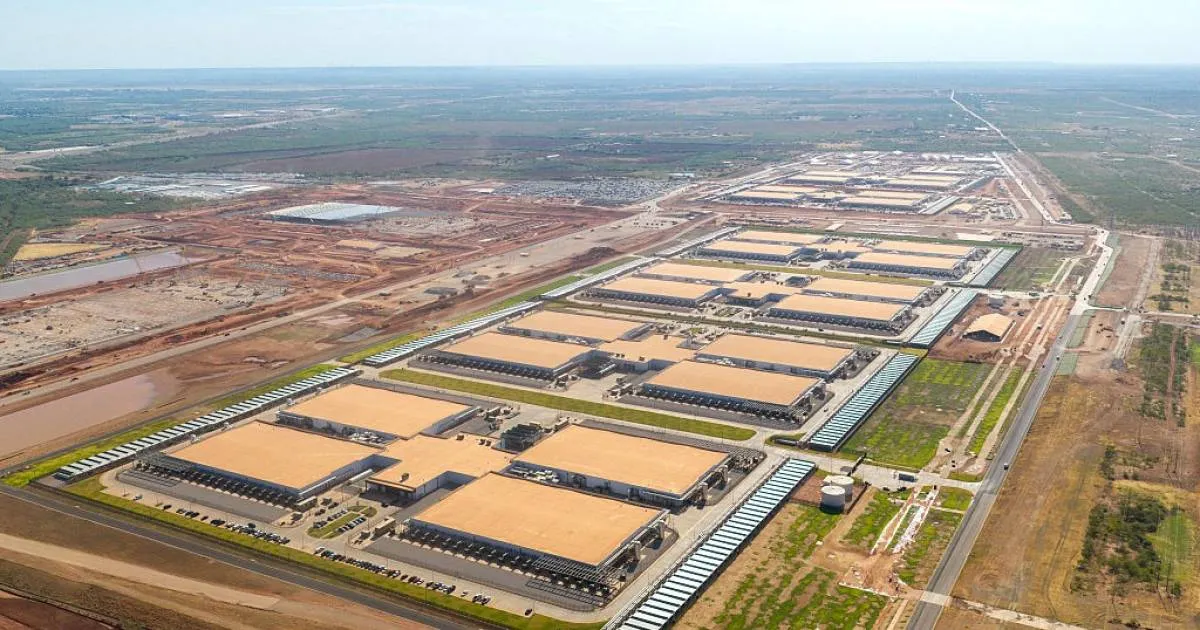
Pure Data Centres, the company behind the Amsterdam project, said it expects an investment of more than one billion dollars and is backed by Oaktree, which belongs to Brookfield. The company asked protesters to leave safely and said it is willing to discuss the project with community representatives.
Microsoft said it recognizes the project raises strong opinions and respects the right to peaceful protest, but does not tolerate illegal behavior. The company invited people at the site to leave safely and talk about their concerns.
One protester, Sam van der Beek, told Reuters that data centers are destroying the world and making it uninhabitable because of the resources they consume.
2 more sources below
COMMENTS (0)
No comments yet. Be the first.
RELATED STORIES

Delhi Police notices target digital rights groups over RSS posts
X tells Delhi High Court takedown notices aimed at IFF and SFLC came from an imposter, not police.

UK bans strangulation and incest roleplay porn from November 6
New rules criminalise possession and publication of porn depicting choking, suffocation, incest roleplay, or performers pretending to be under 16.

Cyberattacks Target Supermarket Fridges Across Europe, Greece Warned
Hackers altered refrigeration temperatures in multiple countries, spoiling food and raising fears about critical infrastructure.
- Canada's 2026 Budget Projects $62.3 Billion Deficit and New Grocery Benefit
- Global markets plunge as Trump blames Democrats for trillion-dollar selloff
- UN climate talks begin in Antalya as disasters and energy shocks dominate agenda
- North Korea denies FBI Binance hack claim and fires cruise missiles
- Cyberport Venture Forum Concludes with 600 Deal Flows and 2,800 Attendees
This page was compiled with AI assistance from the outlets named above and passed an automated language check before publication. Montegre has no reporters of its own; the byline names the outlets the story was compiled from. Method and editorial standards