FDA orders GLP-1 drug makers to add vision-loss warnings to labels
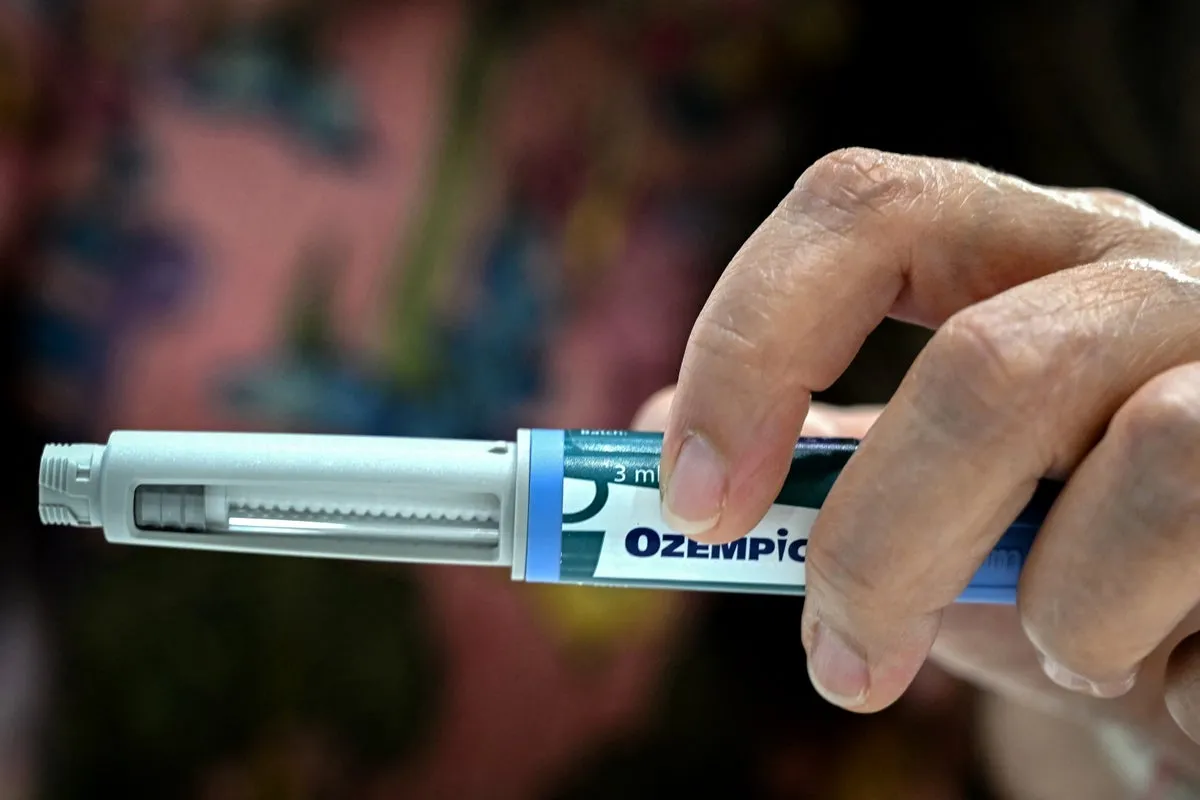
The FDA is requiring makers of GLP-1 weight-loss and diabetes drugs, including Ozempic and Wegovy, to warn users about a rare eye condition that can cause permanent vision loss.
KEY POINTS
- FDA requires GLP-1 drug makers to warn about possible permanent vision loss
- Warning applies to Ozempic, Wegovy, Zepbound and all GLP-1 products
- Condition is NAION, also called an eye stroke, with no known treatment
- FDA analysis found about six NAION cases per 100,000 users annually
- Novo Nordisk and Eli Lilly say they are reviewing or evaluating the FDA update
The U.S. Food and Drug Administration announced on Monday that manufacturers of GLP-1 medications must include warnings about the risk of vision loss. The requirement applies to all currently marketed GLP-1 products, including popular weight-loss drugs such as Ozempic, Wegovy, and Zepbound.
The warning concerns non-arteritic anterior ischemic optic neuropathy, known as NAION and sometimes called an eye stroke. The condition results from reduced blood flow to part of the optic nerve and can cause painless but decreased vision in one eye. There is no known treatment for NAION.
The FDA said its analysis found about six cases of NAION per 100,000 people taking GLP-1 drugs every year, compared with about four cases among those taking a placebo or other diabetes medication. The agency’s review incorporated reports from its Adverse Event Monitoring System and studies involving more than 134,000 patients.
The FDA also cited a May review by the American Academy of Ophthalmology linking semaglutide-based drugs to about a two-fold increase in the relative risk of NAION. A 2024 study of about 16,000 ophthalmology patients found an association between semaglutide and NAION but did not establish a causal relationship.
Novo Nordisk, which makes Ozempic and Wegovy, said the data do not establish a cause-and-effect relationship and that it remains confident in the benefit-risk profile of its GLP-1 medicines. Eli Lilly said it is evaluating the update and will respond to the FDA promptly.
A Northwestern University ophthalmology professor said the absolute risk of developing NAION remains very low and that the overall health benefits of these medications far outweigh the exceedingly low rate of this complication. Numerous lawsuits have alleged that patients suffered NAION and vision loss after using GLP-1s.
2 more sources below
COMMENTS (0)
No comments yet. Be the first.
RELATED STORIES

Vocational Graduates to Receive 50 Percent Pocket Money Increase, Minister Says
Turkey's labor minister announced a 50 percent rise in pocket money for vocational high school graduates employed in their field of study.
NASA Opens Astronaut Applications for Moon and Mars Missions, Deadline Dec. 3
NASA is accepting applications for a new astronaut class to support Artemis lunar missions and future Mars exploration.

Pope Leo XIV draws 2.5 million faithful to mass in Buenos Aires
Pope Leo XIV celebrated a mass attended by about 2.5 million people at the Monument to the Spaniards in Buenos Aires.
- Canadian volunteer joins Ukraine ambulance mission from Munich to Kyiv
- Mother Delivers Baby in Ambulance on Highway 5
- Pope Leo XIV Visits Disability Center in Argentina, Urges Care for Vulnerable People
- Explosion at HABAŞ Factory in Aliağa Injures Dozens of Workers
- Biden limits book tour due to prostate cancer, memoir out November 17
This page was compiled with AI assistance from the outlets named above and passed an automated language check before publication. Montegre has no reporters of its own; the byline names the outlets the story was compiled from. Method and editorial standards