Federal student loan caps push borrowers toward private lenders
New federal borrowing limits are driving graduate students to private lenders as costs exceed government loan ceilings.
KEY POINTS
- Federal student loan limits took effect this fall
- Chloe Frabotta borrowed about $6,000 federally and used private loans for the rest
- SoFi reported $2.9 billion in third-quarter student loan originations
- Sallie Mae said graduate loans rose 119 percent year-over-year
- Professional degree programs are capped at $200,000; other graduate programs at $100,000
New federal student loan limits took effect this fall, creating uncertainty for borrowers such as Chloe Frabotta, 25, who began studying in New York City to become a physician assistant. Weeks before her program started, it remained unclear whether it would qualify as a professional program with higher borrowing limits.
Frabotta borrowed about $6,000 in federal loans for her first trimester and took out private loans for the remainder, with her mother serving as cosigner. She said many people in her circle felt they had little choice but to follow the same path.
“At least in my circles a lot of people were like, I guess that’s what I’m going to have to do, and I’m going to try to make it work.”
Students are increasingly using private lenders to cover the gap between program costs and federal borrowing limits. Federal loans generally offer more flexible repayment terms, possible forgiveness after ten years in public service, and often lower interest rates.
The shift is visible in bank results. SoFi reported that student loan originations reached $2.9 billion in the third quarter, nearly doubling from a year earlier. Sallie Mae, which controls more than half of the private student loan market, said graduate loans rose 119 percent year-over-year.
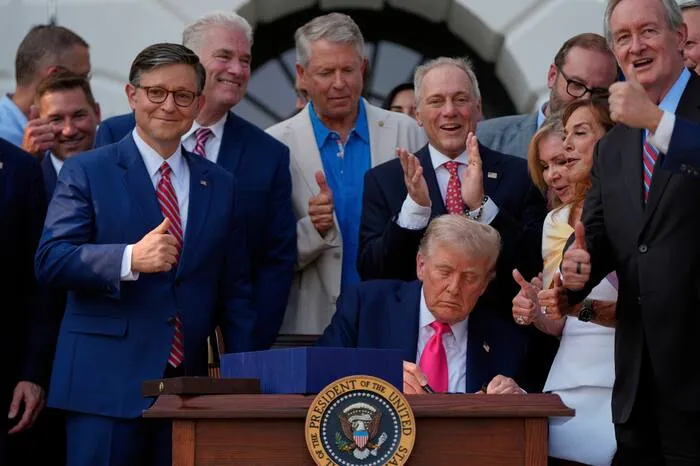
President Donald Trump’s “Big Beautiful Bill” established the new caps. Professional degree programs face a federal limit of $200,000, while other graduate programs are capped at $100,000. Previously, graduate students could borrow up to the full cost of their degree.
New borrowers now face an overall lifetime borrowing cap of $257,500, along with limits on parent borrowing for their children’s schooling. Once fully phased in, more than half a million borrowers will need an additional $20,000 per year from sources outside the federal loan program.
2 more sources below
COMMENTS (0)
No comments yet. Be the first.
RELATED STORIES
Canada's 2026 Budget Projects $62.3 Billion Deficit and New Grocery Benefit
Finance Minister François-Philippe Champagne tabled the federal budget on November 5, projecting a deficit of $62.3 billion and proposing a one-time grocery benefit top-up.

Global markets plunge as Trump blames Democrats for trillion-dollar selloff
World shares fell sharply after US midterm elections, with Asian markets and chip stocks leading the decline.
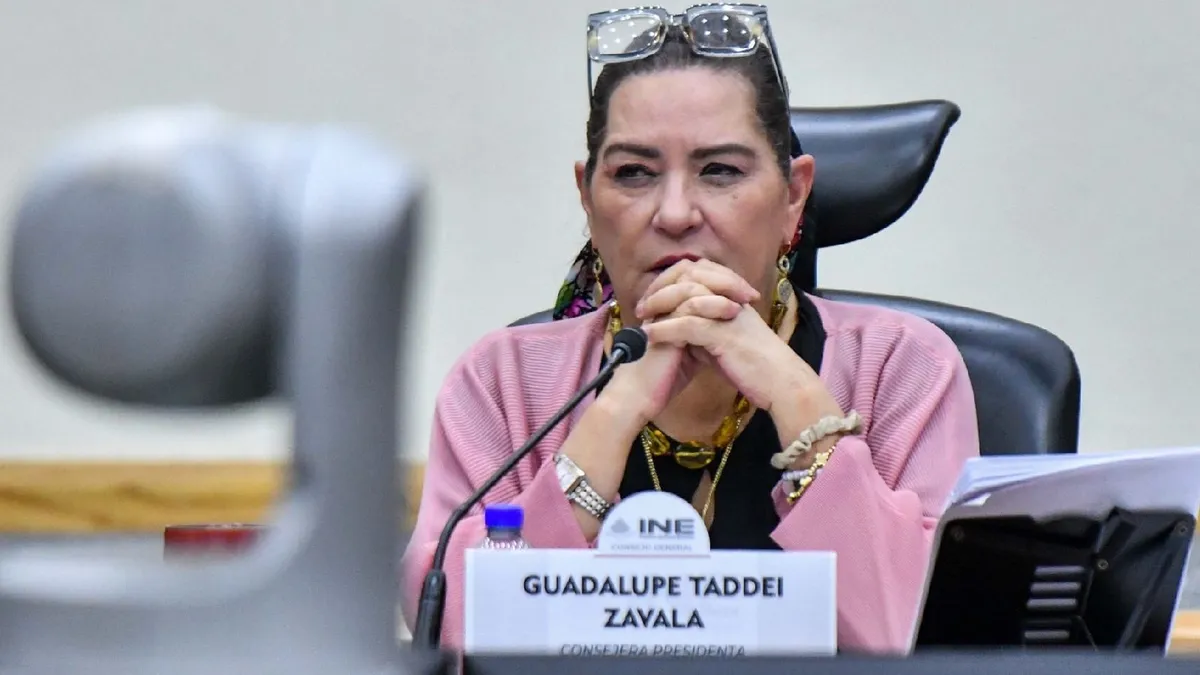
Mexican lawmakers clash over corruption accusations against former INE chief Taddei
Opposition and ruling-party legislators traded accusations over alleged corruption involving former electoral institute president Guadalupe Taddei.
- Senate committees advance permanent disability law ahead of emergency expiry
- UN climate talks begin in Antalya as disasters and energy shocks dominate agenda
- North Korea denies FBI Binance hack claim and fires cruise missiles
- Peru's Fujimori marks 100 days amid security and El Niño plans
- BMW cuts 2026 car margin forecast to near zero, warns of possible loss
This page was compiled with AI assistance from the outlets named above and passed an automated language check before publication. Montegre has no reporters of its own; the byline names the outlets the story was compiled from. Method and editorial standards