FIA confirms Qatar and Abu Dhabi Grands Prix will proceed amid Middle East tensions
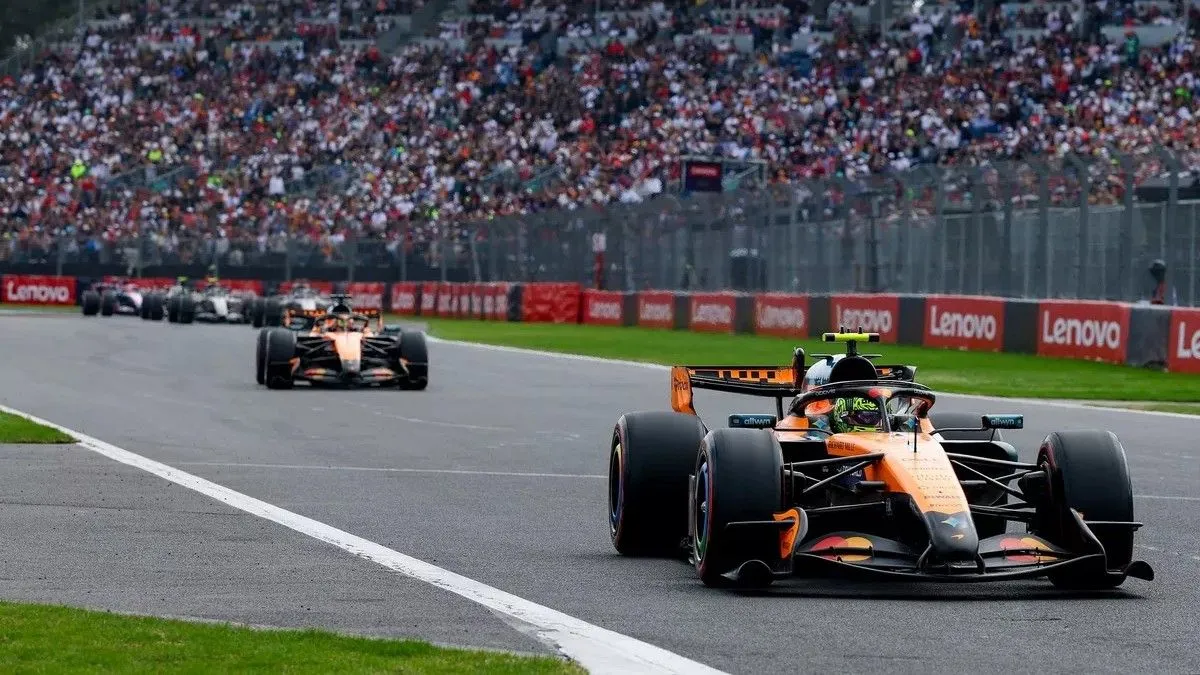
Formula 1 will hold the final two races of the 2026 season as scheduled, despite security concerns and driver objections.
KEY POINTS
- Qatar and Abu Dhabi Grands Prix confirmed as scheduled
- Imola no longer needed as backup venue
- Bahrain moved to Malaysia; Saudi Arabia canceled earlier
- Max Verstappen initially opposed racing in the region
- Mercedes lets staff opt out of regional travel
The FIA and Formula 1 management have confirmed that the Qatar and Abu Dhabi Grands Prix will take place according to the original calendar. FIA President Mohammed Ben Sulayem stated on Instagram that the federation is fully prepared and committed to organizing two extraordinary Grand Prix weekends and a spectacular season finale. Formula 1 leadership informed all 11 participating teams that the events will proceed as planned.
The Italian circuit of Imola had been considered as an alternative venue if the Middle East races were canceled, but organizers now say it is no longer necessary. Earlier in the season, Formula 1 had already adjusted the 2026 calendar because of the regional conflict, moving the Bahrain Grand Prix to the Sepang circuit in Malaysia and canceling the Saudi Arabian round.
“I normally enjoy going to Qatar and Abu Dhabi, but when there is a war nearby and some countries are in conflict, I think we should not go. In such a situation, it does not matter whether there is a contract or not. But the decision is not mine.”
Security concerns have persisted throughout the planning process. Parts of a Houthi missile intercepted by air defense systems damaged the headquarters of Aramco in Saudi Arabia, and several countries have warned their citizens against traveling to risky areas of the Arabian Peninsula. Yamaha also withdrew from a MotoGP event in Qatar over security fears, although that race itself passed without major incident.
Several drivers previously voiced opposition to racing in the region. Max Verstappen said in September that Formula 1 should not compete in Qatar and Abu Dhabi if the nearby war continued, adding that contractual obligations should not matter in such a situation. He later softened his stance, saying he does not refuse to participate and trusts Formula 1 and FIA leadership to make the correct decision because they have more information.
Mercedes has offered its personnel the option to decline travel to the region, and other teams may adopt similar measures. The safe arrival of drivers, team managers, and organizational staff remains a key issue if the races go ahead. No concrete details about specific security measures have been provided.
Formula 1 officials are expected to finalize any remaining arrangements ahead of the two race weekends. The season will conclude with the Abu Dhabi Grand Prix unless new security developments force a change.
2 more sources below
COMMENTS (0)
No comments yet. Be the first.
RELATED STORIES
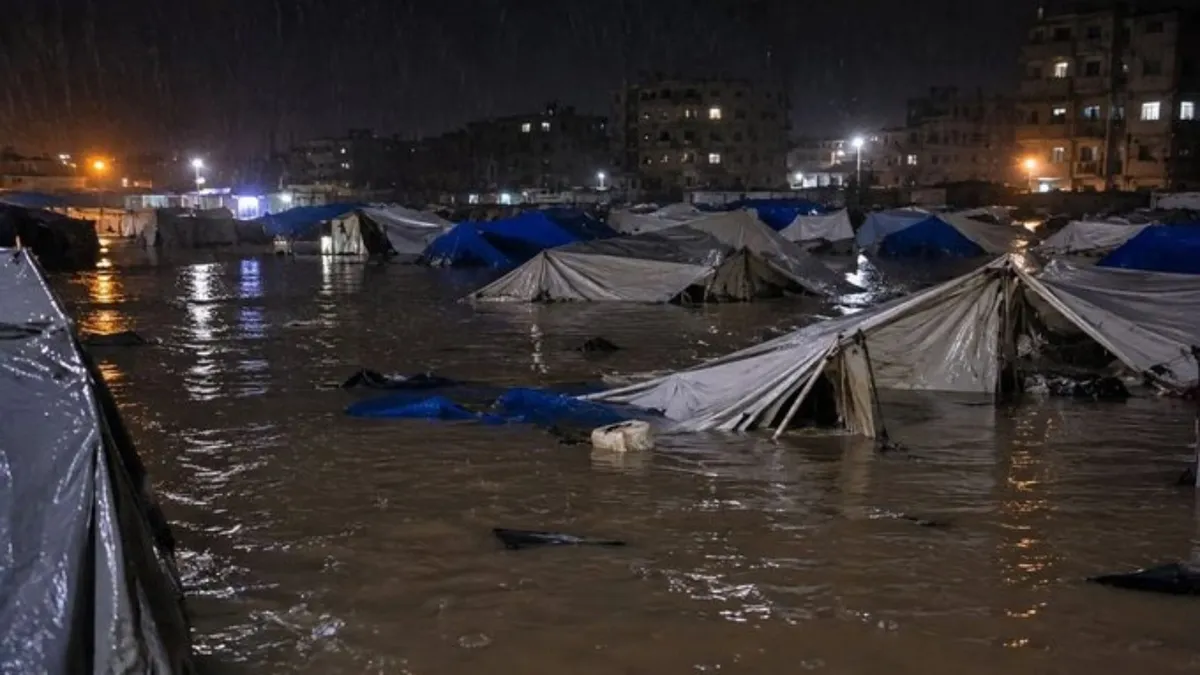
Gaza Peace Board Urges Israel to Allow Winter Aid Amid Flooding Crisis
The Board of Peace calls for immediate entry of shelter and sanitation supplies after storms flood tens of thousands of tents in Gaza.
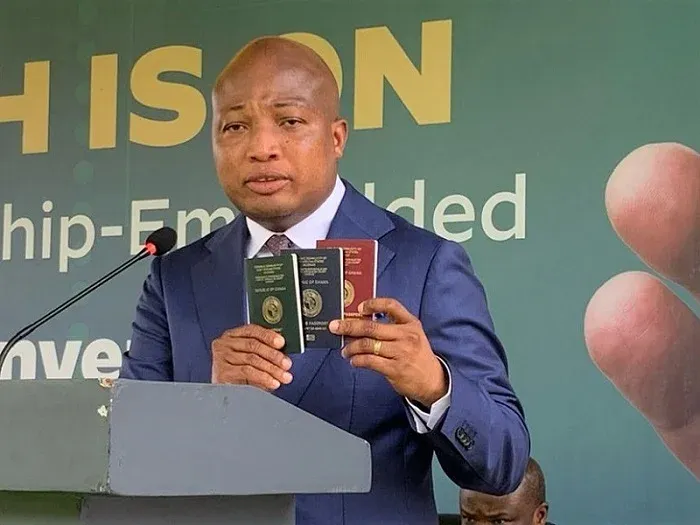
Ghana Minority Alleges Diplomatic Passport Sale Scheme
Parliament's Minority says unqualified people obtained diplomatic and service passports through a travel business allegedly run by Foreign Affairs Ministry and Passport Office officials.
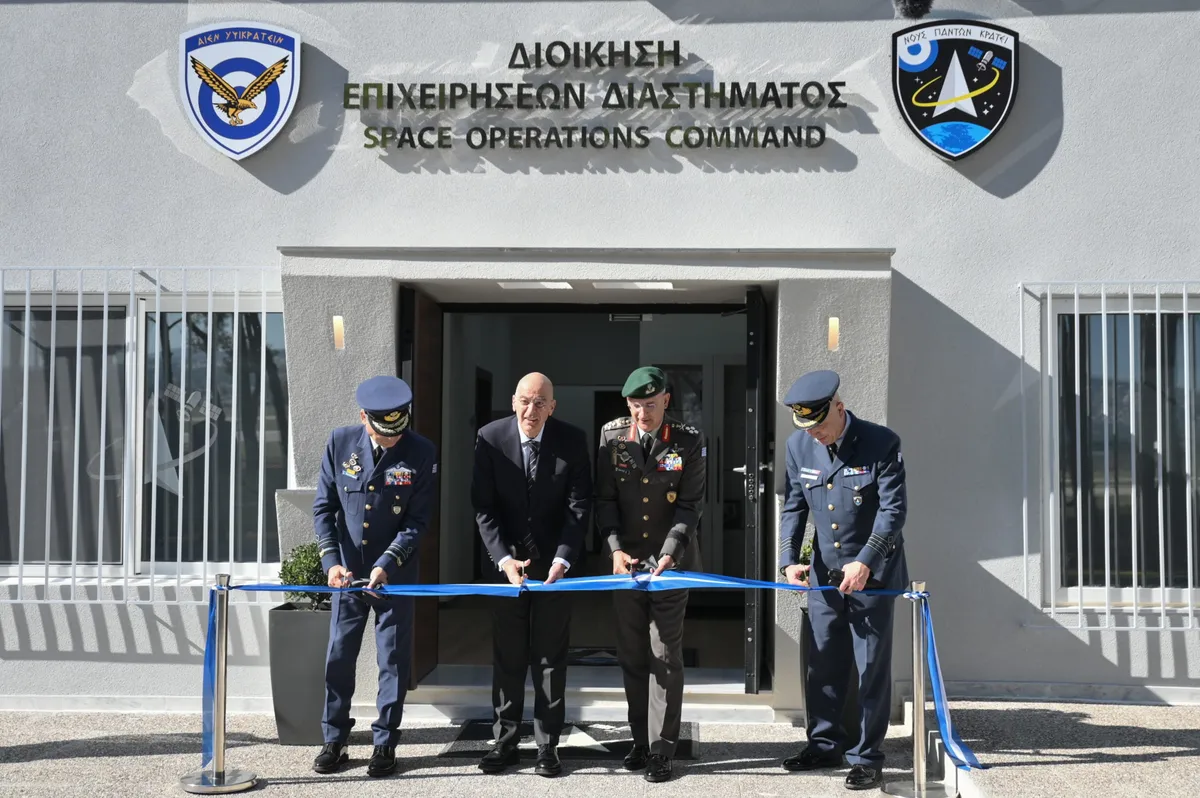
Greek Defense Minister Opens Conference on Western Balkans Security Role
Nikos Dendias says integrating Western Balkans into Europe is essential for regional stability.
- Tinubu Vows to Defeat Nigeria's Enemies and Fix Power Supply in Jigawa Rally
- Tinubu Aide Says Economic Reforms Will Bring Shared Prosperity
- COP31 Climate Summit Opens in Antalya with Yunus Emre Oratorio
- Pat Murphy wins third straight NL Manager of the Year award after Brewers' World Series title
- Jaylen Brown trade to Sixers now seen as win-win for both teams
This page was compiled with AI assistance from the outlets named above and passed an automated language check before publication. Montegre has no reporters of its own; the byline names the outlets the story was compiled from. Method and editorial standards