France accuses Iran of cyberattack on 700 supermarket refrigerators
French officials blame Iran’s Revolutionary Guards for October hacks that raised fridge temperatures, caused fires and spoiled food.
KEY POINTS
- France blames Iran’s Revolutionary Guards for October cyberattacks on supermarket refrigerators
- About 700 supermarkets were affected; temperatures rose to 50 degrees Celsius and some units caught fire
- Paris prosecutors seek international arrest warrants for the head of the Shahid Kaveh group and two deputies
- French Foreign Minister Jean-Noel Barrot announced plans for European sanctions and summoned Iran’s ambassador
- A second wave this month affected more than 100 establishments across Europe, including French blood banks
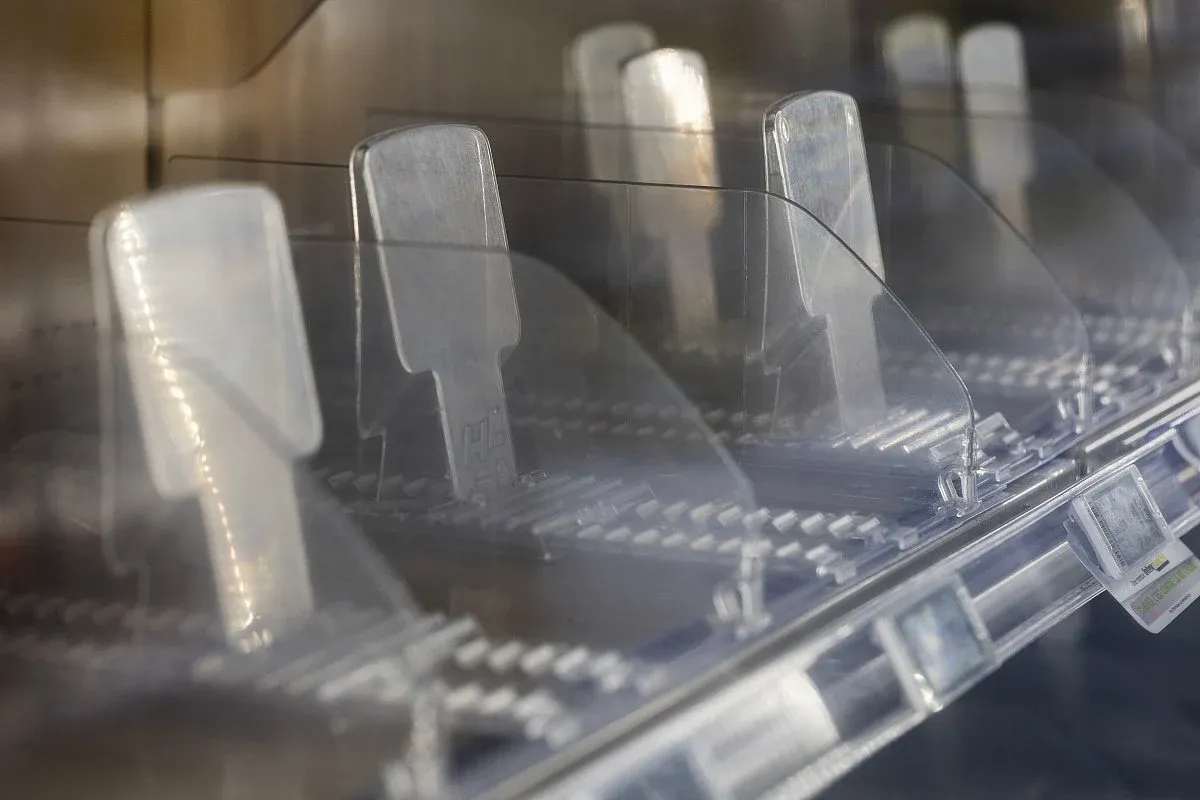
France has accused Iran’s Revolutionary Guards of a cyberattack that disrupted commercial refrigerators and freezers in about 700 supermarkets across the country in October. French Foreign Minister Jean-Noel Barrot said the attack was unprecedented in magnitude and aggressiveness and announced plans to push for European sanctions against those responsible.
Paris prosecutor Laure Beccuau said the investigation focuses on the head of the Iranian Shahid Kaveh group and two of his deputies, a unit linked to the Revolutionary Guards’ Electronic and Cyber Center. Investigators have requested international arrest warrants for several Iranian suspects.
“It is an attack of unprecedented magnitude and aggressiveness.”
Investigators detected Persian language use, IP addresses linked to devices in Iran, and a characteristic computer procedure associated with the group. The attackers exploited vulnerabilities in remote-control software for refrigeration systems made by Danish company Danfoss.
Once inside, the hackers activated abnormal and unlimited defrost cycles, pushing temperatures in some units up to 50 degrees Celsius. They also disabled security alarms on sensors meant to warn when temperatures exceeded set limits.
Some refrigerators caught fire after temperatures were raised too high. Supermarket employees threw away boxes of spoiled meat and melted ice cream, and one owner estimated total costs could reach tens of millions of euros nationwide.
A second wave this month hit more than 100 establishments across Europe, including refrigerators used by French blood banks, forcing staff to move some blood to different cold storage units.
Iran’s mission to the United Nations did not respond to requests for comment. Iran routinely denies carrying out malicious cyber operations.
13 more sources below
COMMENTS (0)
No comments yet. Be the first.
RELATED STORIES

Senate to vote on energy permitting bill after midterm election
Bipartisan legislation would speed project approvals and require data centers to pay for their energy use.
German Chancellor Threatens to Block EU Budget Over Ukraine Funding
Friedrich Merz demands collective commitment to an additional 45 billion euros for Ukraine before agreeing to the 2028-2034 EU budget.

Trump seeks China's help to end Iran war ahead of Xi meeting
US Treasury Secretary reportedly asked Beijing to use its influence on Tehran, with Putin also expected at the November 18 summit.
- Mexico's National Seismological Service monitors daily earthquakes across five tectonic plates
- Police clear explosives threat after Caracol TV evacuation in Bogota
- NASA Opens Astronaut Applications for Moon and Mars Missions, Deadline Dec. 3
- Pope Leo XIV meets religious leaders in Buenos Aires
- Meta Expands AI Age Checks on Instagram Worldwide
This page was compiled with AI assistance from the outlets named above and passed an automated language check before publication. Montegre has no reporters of its own; the byline names the outlets the story was compiled from. Method and editorial standards