German coalition reaches budget compromises, electricity tax cut remains unresolved
Union and SPD settle several 2027 budget disputes ahead of Thursday's final committee talks, but fail to fund a planned electricity tax reduction.

KEY POINTS
- Union and SPD clear several 2027 budget disputes before Thursday's final committee talks
- Plastic packaging tax dropped; sugar tax postponed to January 1, 2028; sparkling wine tax increase cancelled
- Electricity tax cut for households remains unfunded and unresolved
- Compromises cost around two billion euros, according to Matthias Miersch
- Housing benefit cuts reversed; child supplement retained with an exception for asylum seekers
Germany's Union and SPD coalition parties have cleared several budget disputes for the 2027 federal budget ahead of the Bundestag budget committee's final deliberations on Thursday. Union parliamentary leader Thorsten Frei said the parties could not find offsetting financing for a proposed electricity tax cut for private households. The electricity tax reduction remains a top priority for the Union, according to Frei.
The coalition agreed to drop a planned tax on plastic packaging and to postpone a sugar tax on sweetened drinks from July 1, 2027, to January 1, 2028. An increase in the sparkling wine tax will also not take place. Frei said more ambitious staff reductions in the federal administration could help finance these measures.
“It is a top priority for the Union parliamentary group.”
The SPD secured the reversal of planned cuts to housing benefits and the retention of the child supplement for low earners, with an exception for asylum seekers. A planned 2027 adjustment to housing benefits will be suspended, although Miersch emphasized that the core benefit remains intact. Final government negotiations on child maintenance advances and parental allowance are still pending.
Matthias Miersch estimated the cost of the compromises at around two billion euros, saying this amount could be well financed. No offsetting funds were initially found for full compensation for cold progression, though Frei said such compensation could possibly be applied retroactively in 2027.
The parliamentary groups met in special sessions on Wednesday evening. The SPD concluded after about 45 minutes, while the Union met for around three hours. Participants described the atmosphere as poor. Hoffmann said the government draft created considerable discussion within the factions.
The coalition must still clarify further relief measures for high energy prices. Frei initially set January 1, 2028 as the target date, but later said such relief should ideally take effect next year.
3 more sources below
COMMENTS (0)
No comments yet. Be the first.
RELATED STORIES
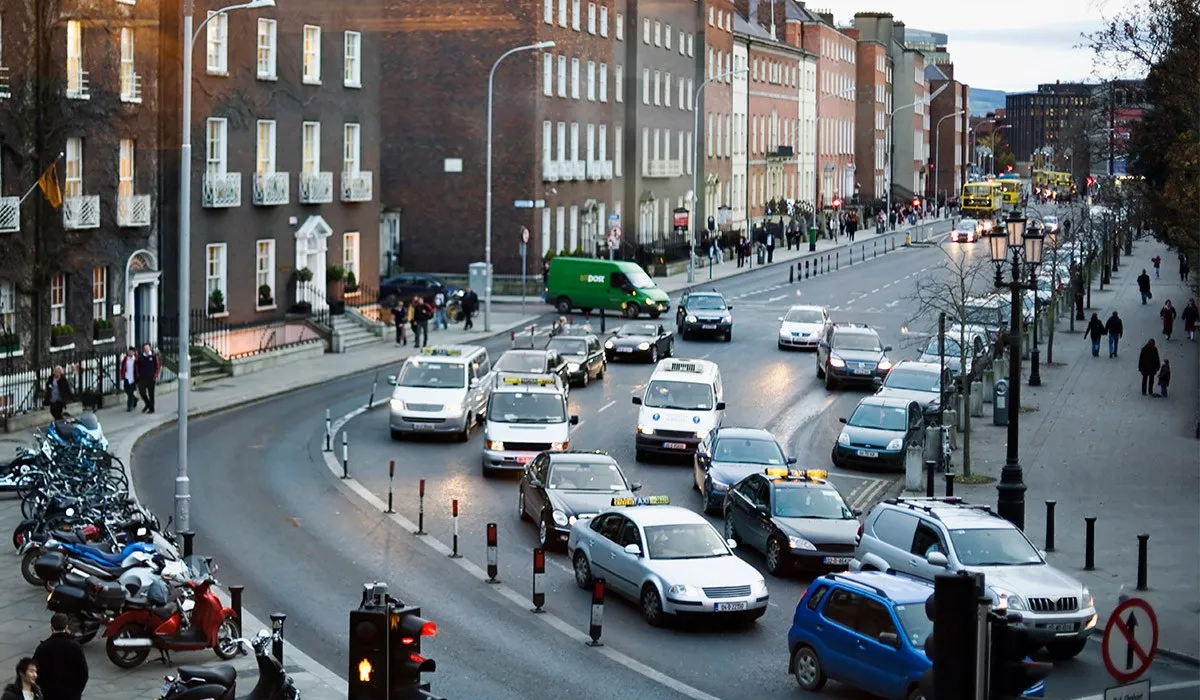
Dublin road closures begin ahead of EU political summits this week
Dublin imposes major traffic restrictions as Ireland hosts European leaders for two summits at the Convention Centre.

Democrats sweep Texas statewide offices, setting up 2028 battleground fight
Democratic victories in Texas governor and Senate races make the state a key 2028 presidential target.
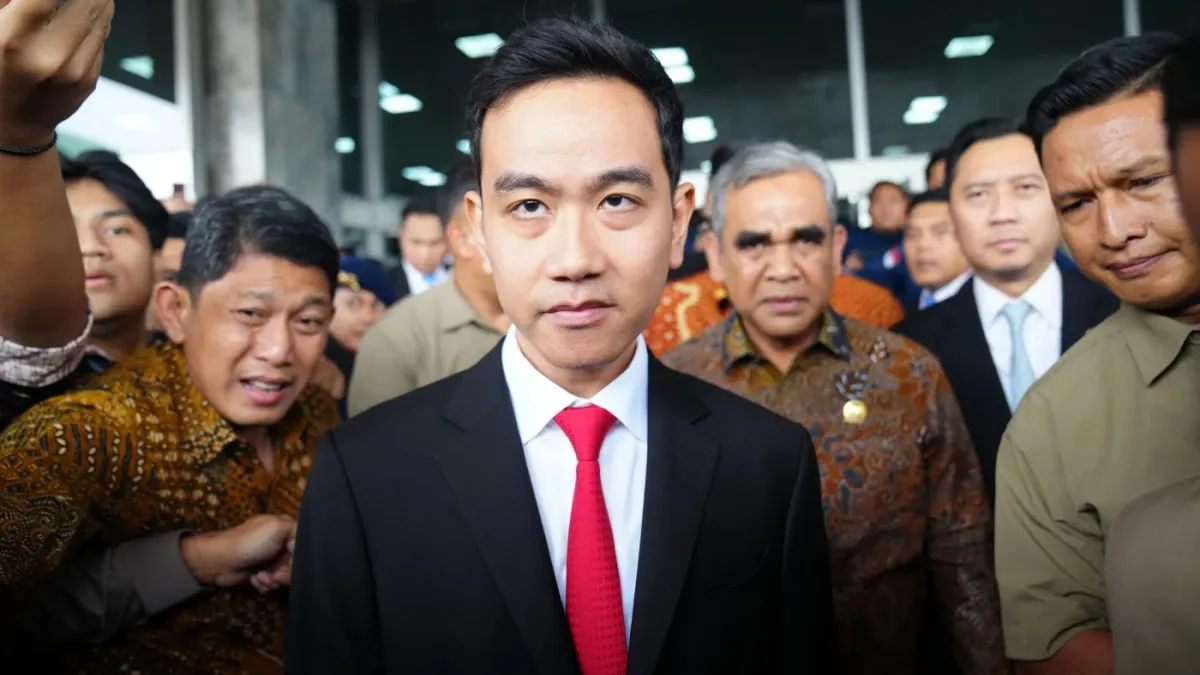
Indonesian Vice President Gibran Rakabuming Raka Resigns Amid Credential Questions
Gibran Rakabuming Raka steps down after court rulings challenge his educational qualifications.
- US senators probe Kennedy over Samoa trip and vaccine claims
- COP31 Launches 35-by-35 Electrification Pledge in Turkey
- Ireland faces pressure over alumina shipments to Russia amid Ukraine war
- Chile Freezes Fuel Prices Until February to End Trucker Strike
- Argentina government pushes electoral reform in Senate ahead of November 30 deadline
This page was compiled with AI assistance from the outlets named above and passed an automated language check before publication. Montegre has no reporters of its own; the byline names the outlets the story was compiled from. Method and editorial standards